

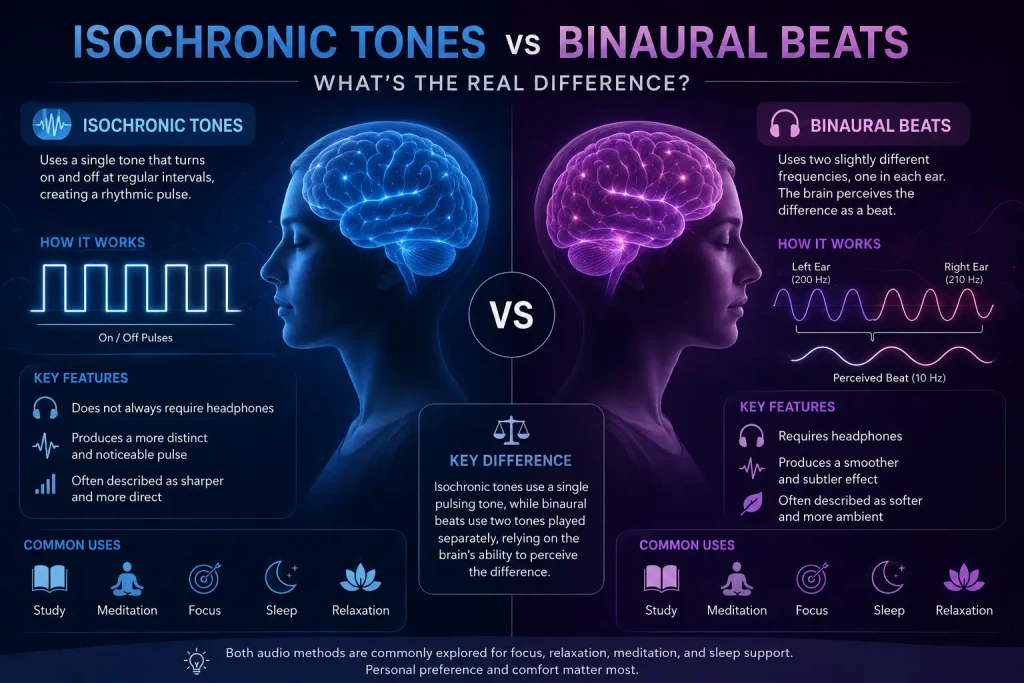





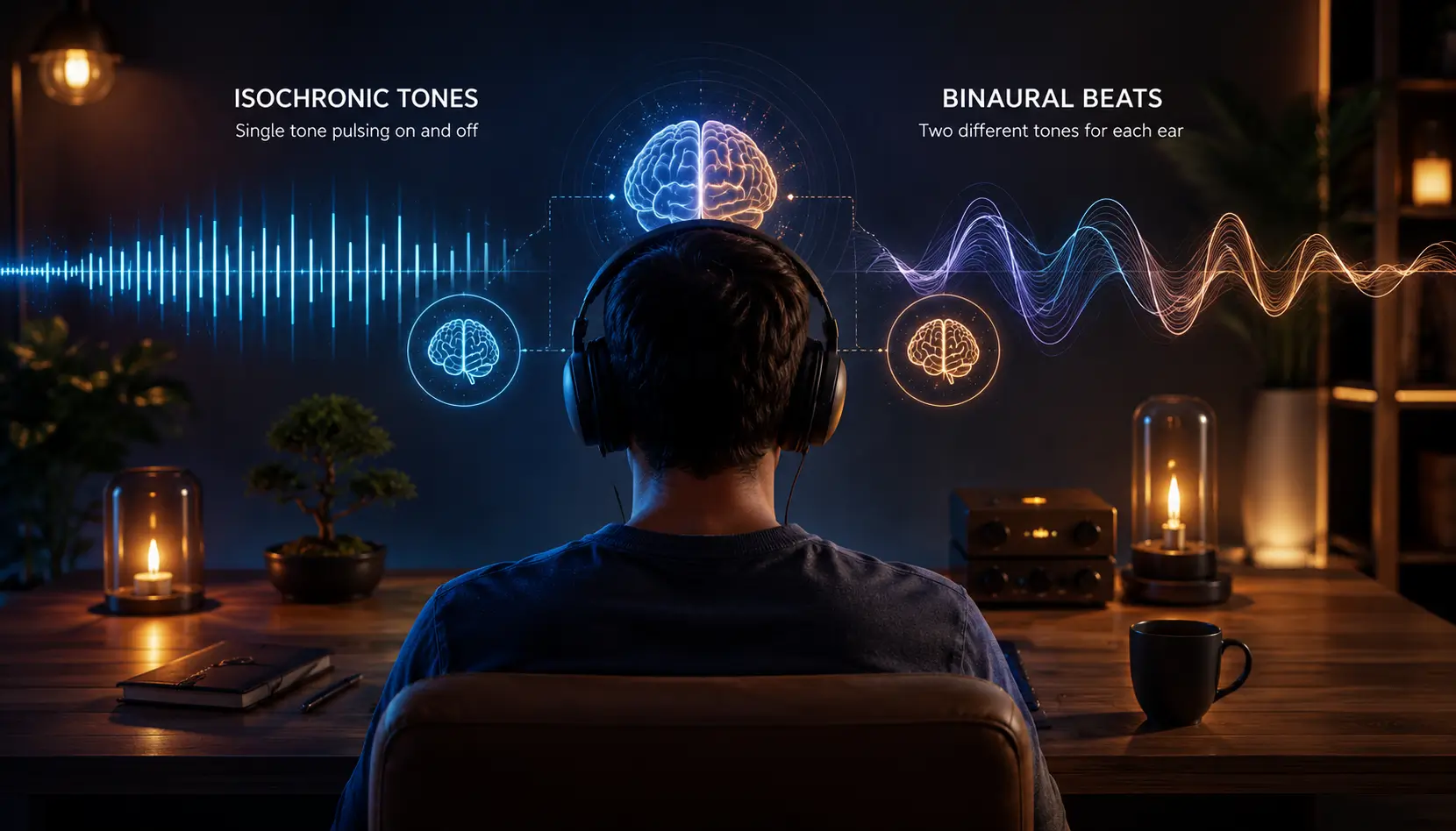
Brainwave audio has become increasingly popular for focus, meditation, sleep, and relaxation. But many people eventually run into the same question: Which works better — isochronic tones or binaural beats?
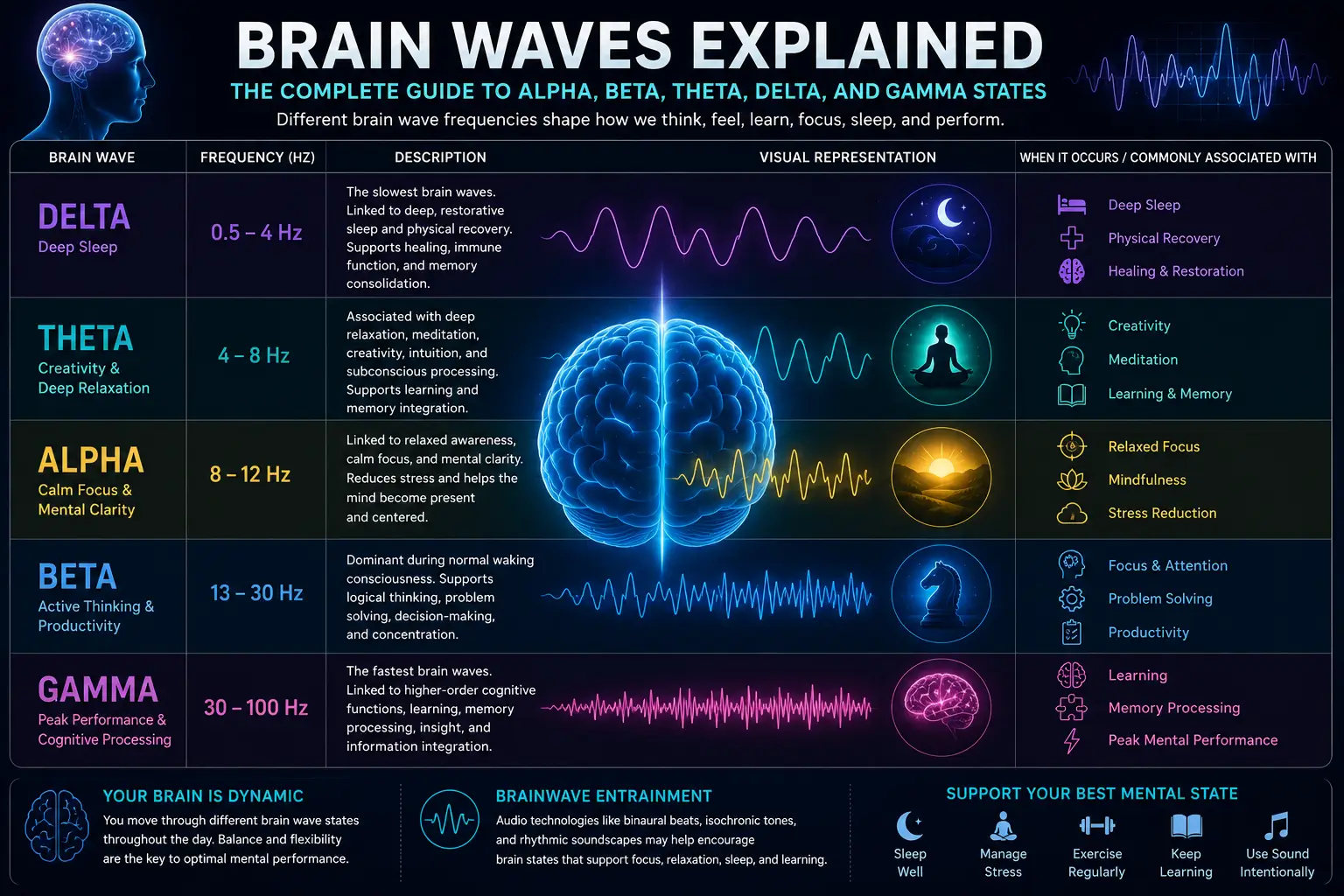
The human brain is never truly silent. Every thought, emotion, memory, and action is accompanied by electrical activity generated by billions of neurons communicating with one another. These electrical patterns
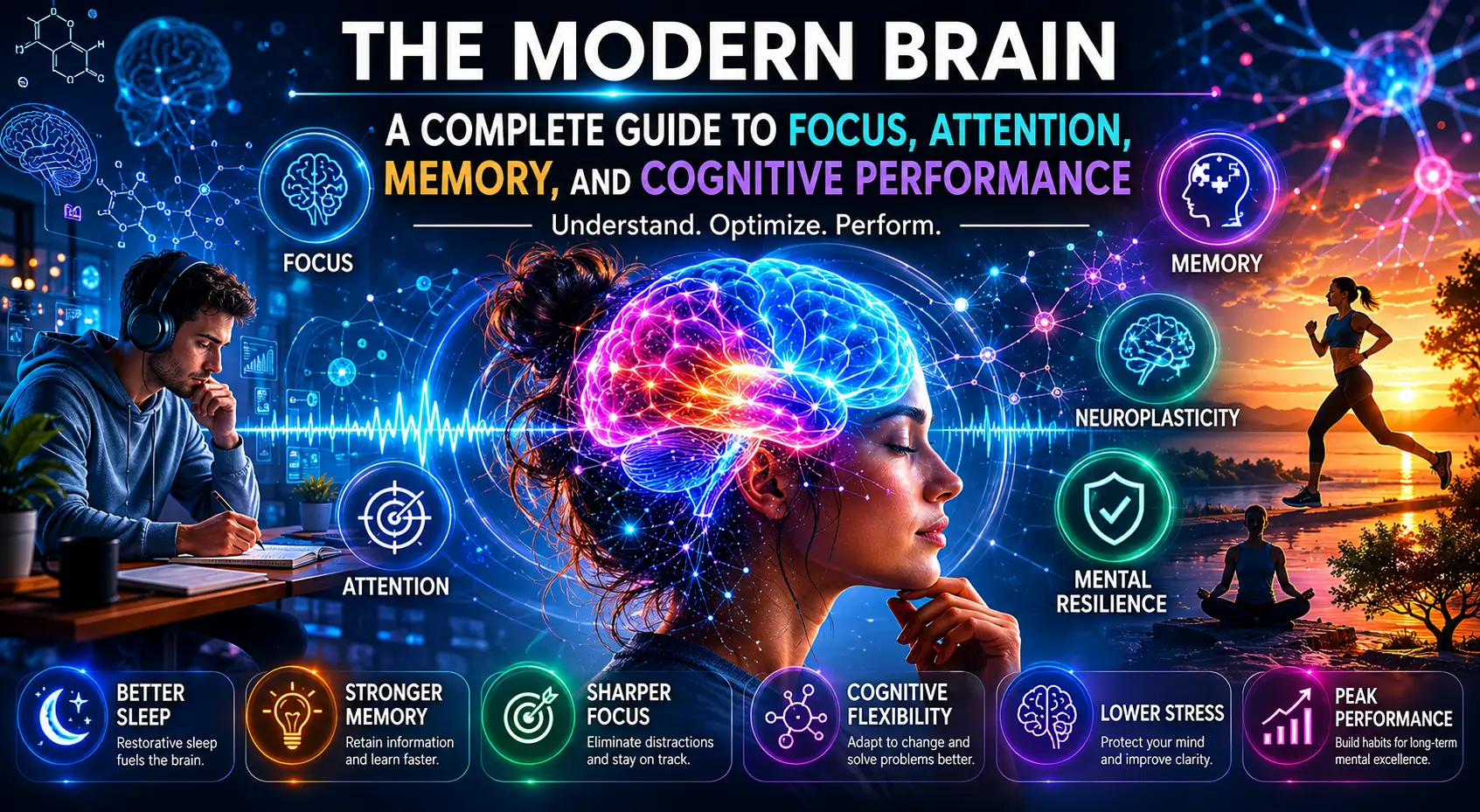
Modern life places unprecedented demands on the human brain. Notifications compete for attention. Information arrives faster than we can process it. Stress levels remain elevated while opportunities for deep focus
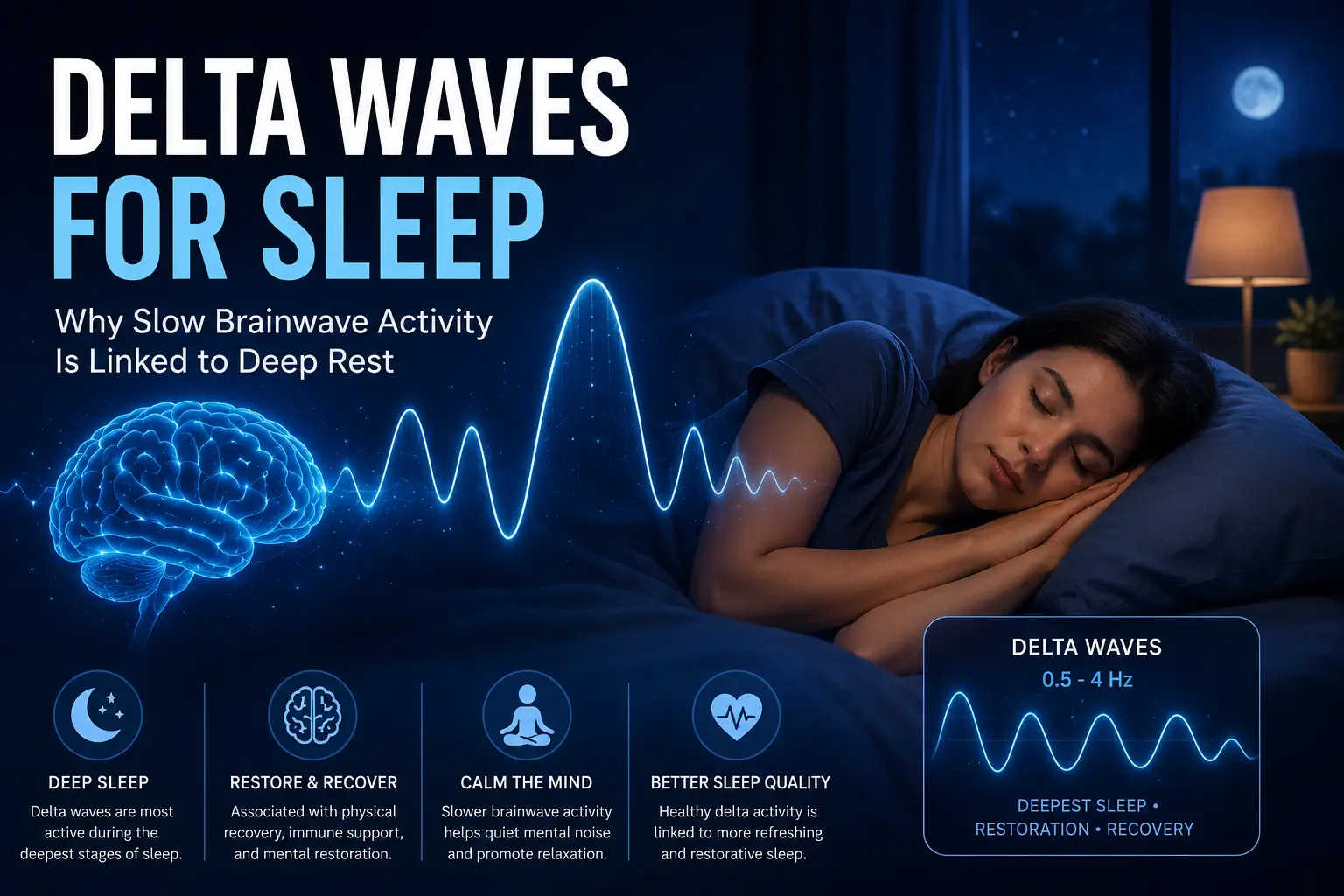
Sleep is one of the brain’s most important recovery systems. Without proper rest, focus, memory, emotional balance, and mental clarity can all begin to decline. Yet modern life constantly interferes

Many people today feel mentally exhausted even when they are not physically active. The modern world constantly pushes the brain into a state of nonstop stimulation. Notifications, social media, multitasking,
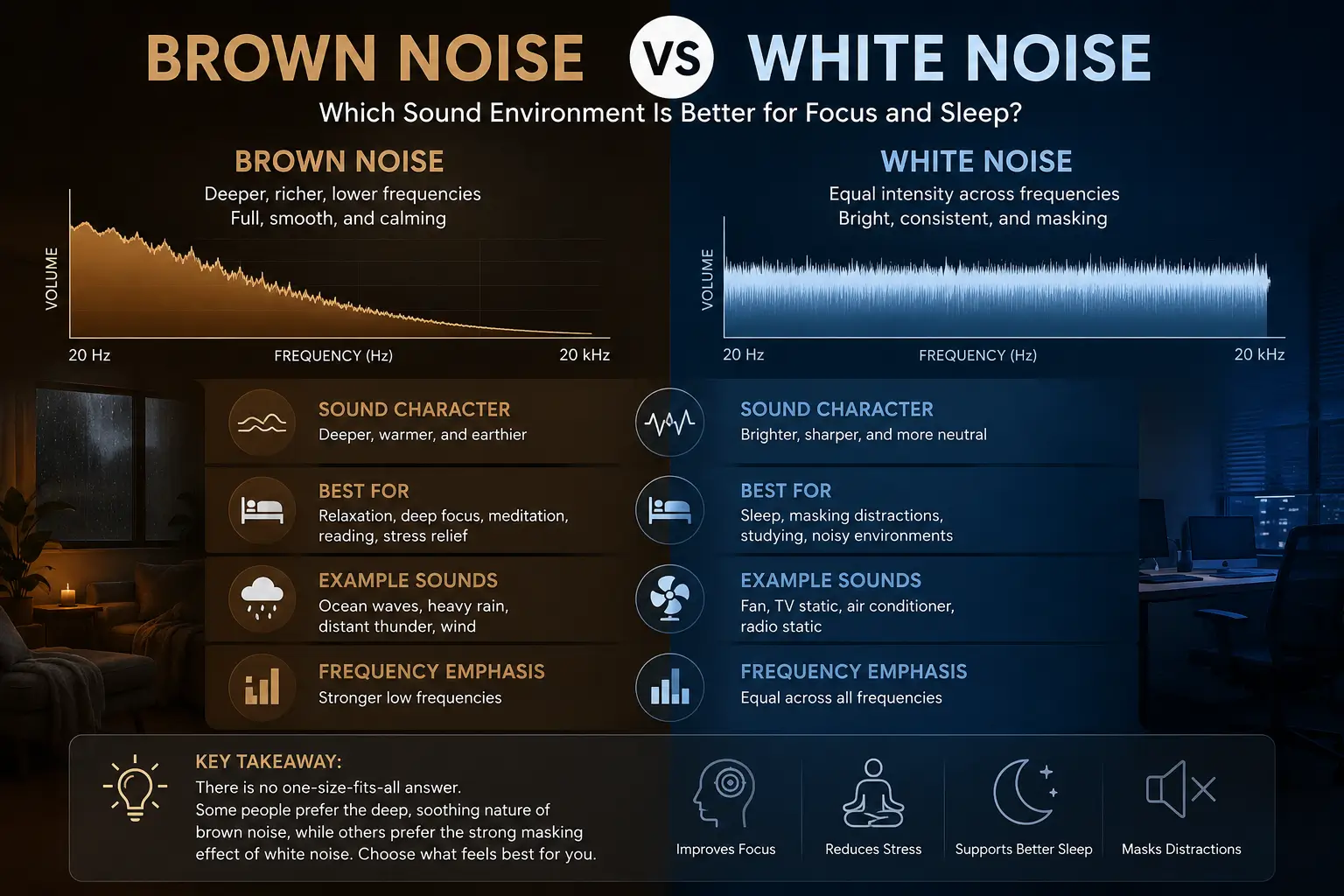
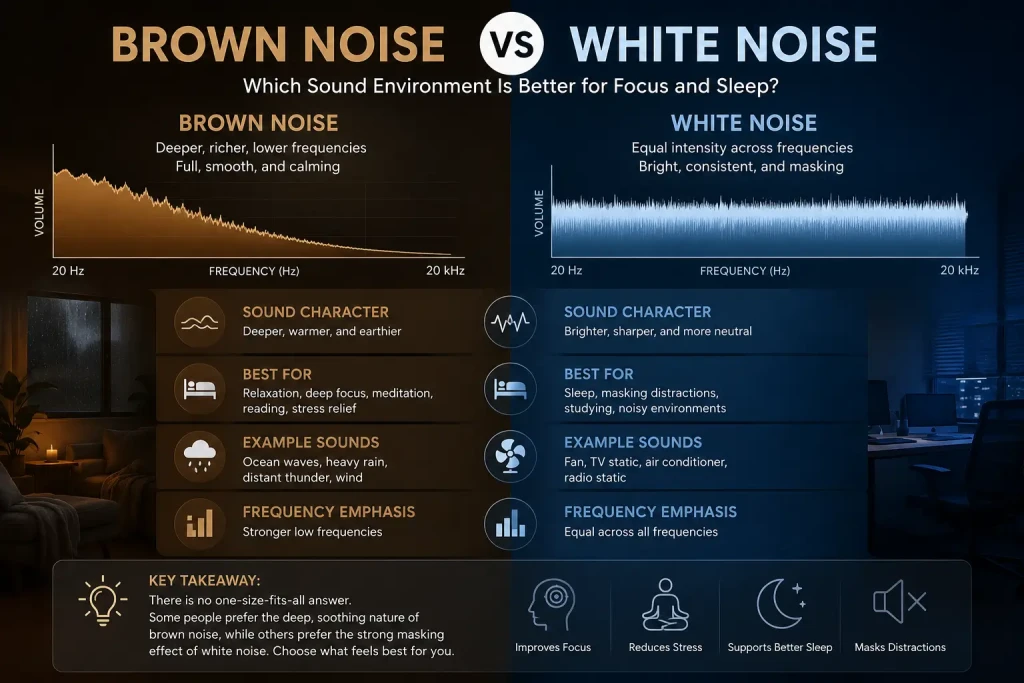
Sound environments are becoming increasingly popular for: concentration, relaxation, sleep, studying, and reducing distraction. Among the most commonly discussed audio environments are: white noise, brown noise, pink noise, ambient soundscapes,
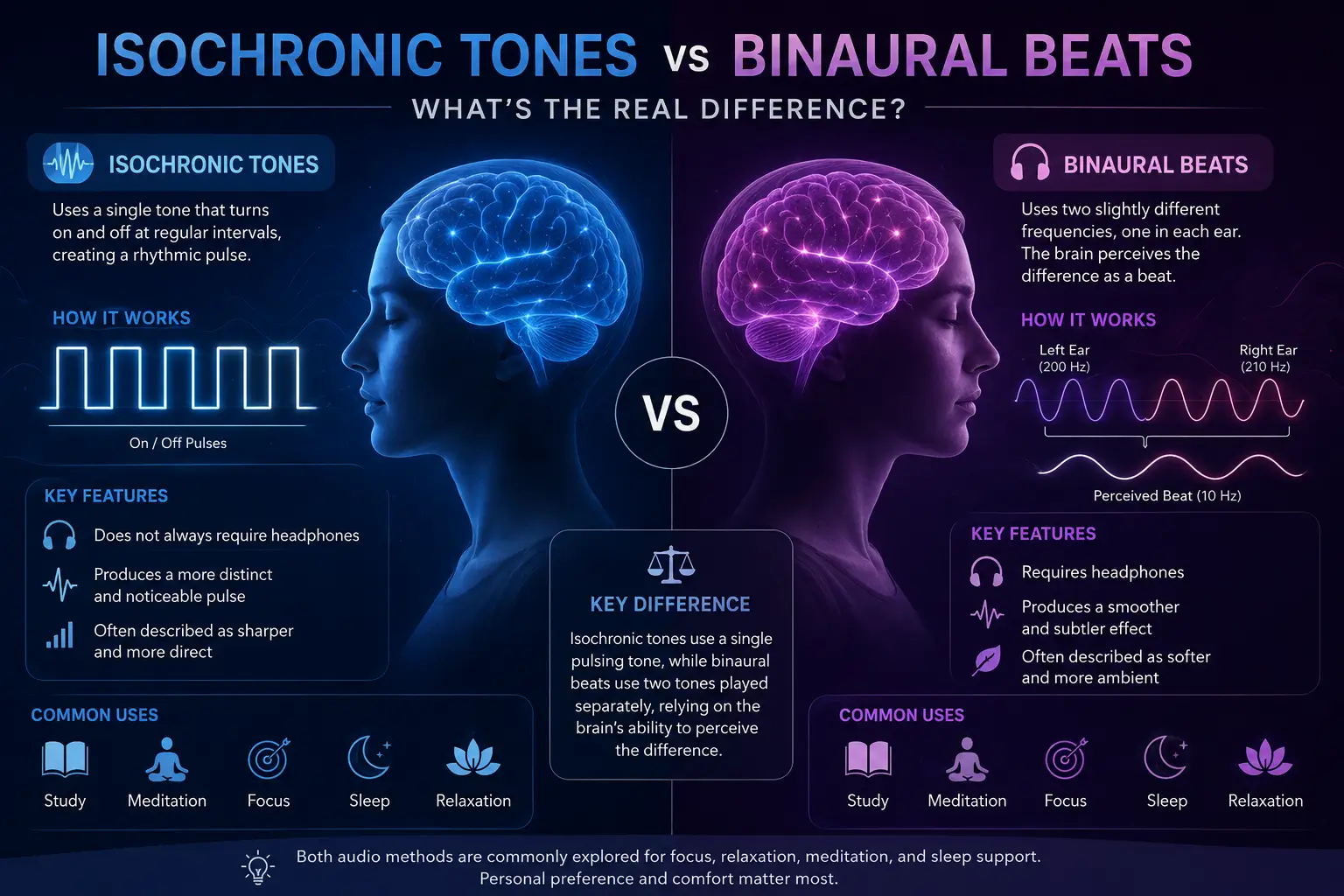
If you spend enough time exploring brainwave audio, you will eventually encounter the same question: Are isochronic tones better than binaural beats? For years, discussions about audio entrainment have often
Brainwave audio has become increasingly popular for focus, meditation, sleep, and relaxation. But many people eventually run into the same question: Which works better — isochronic tones or binaural beats?
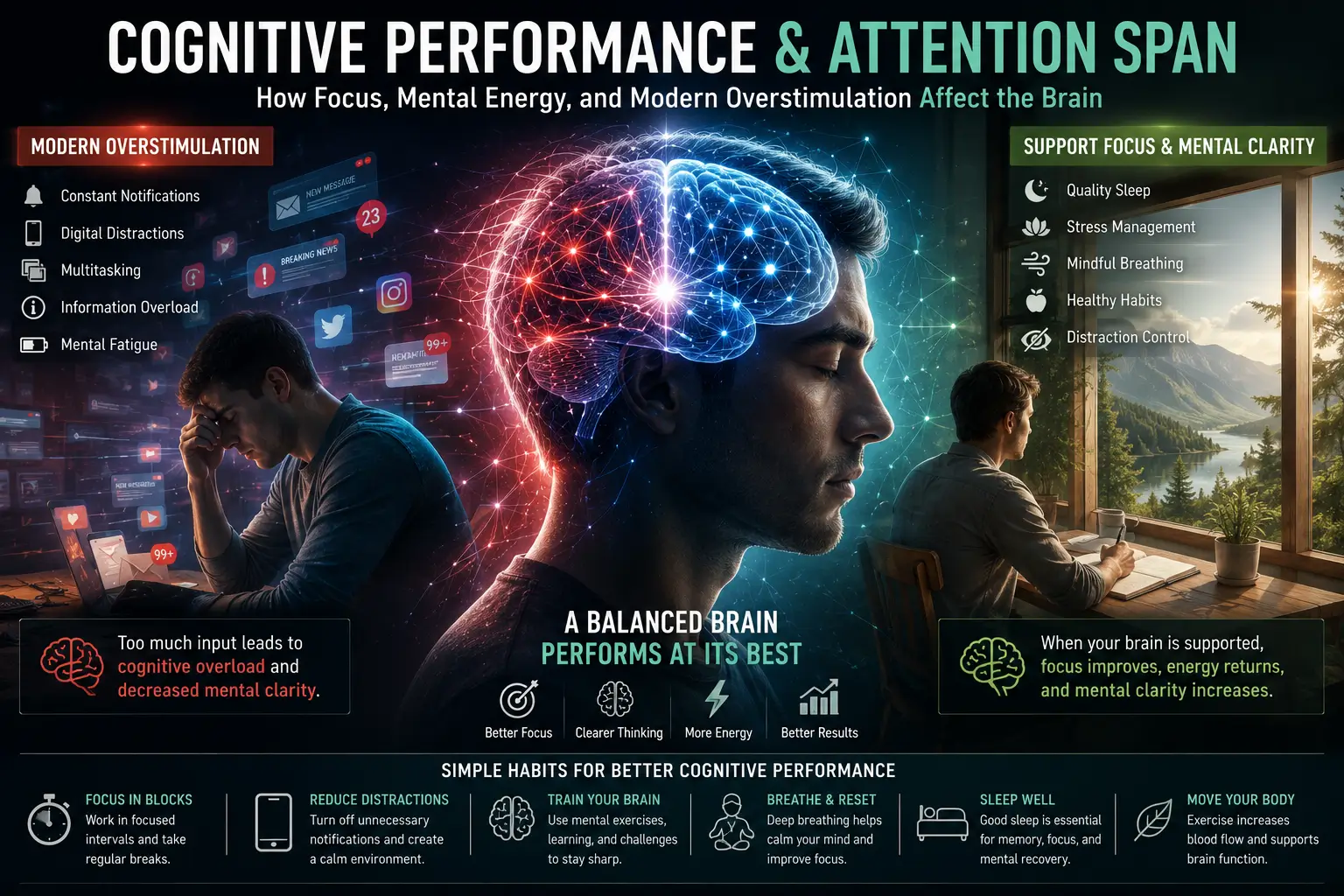
Modern life constantly competes for human attention. Notifications, multitasking, short-form content, endless scrolling, and nonstop digital stimulation place continuous demands on the brain throughout the day. As a result, many
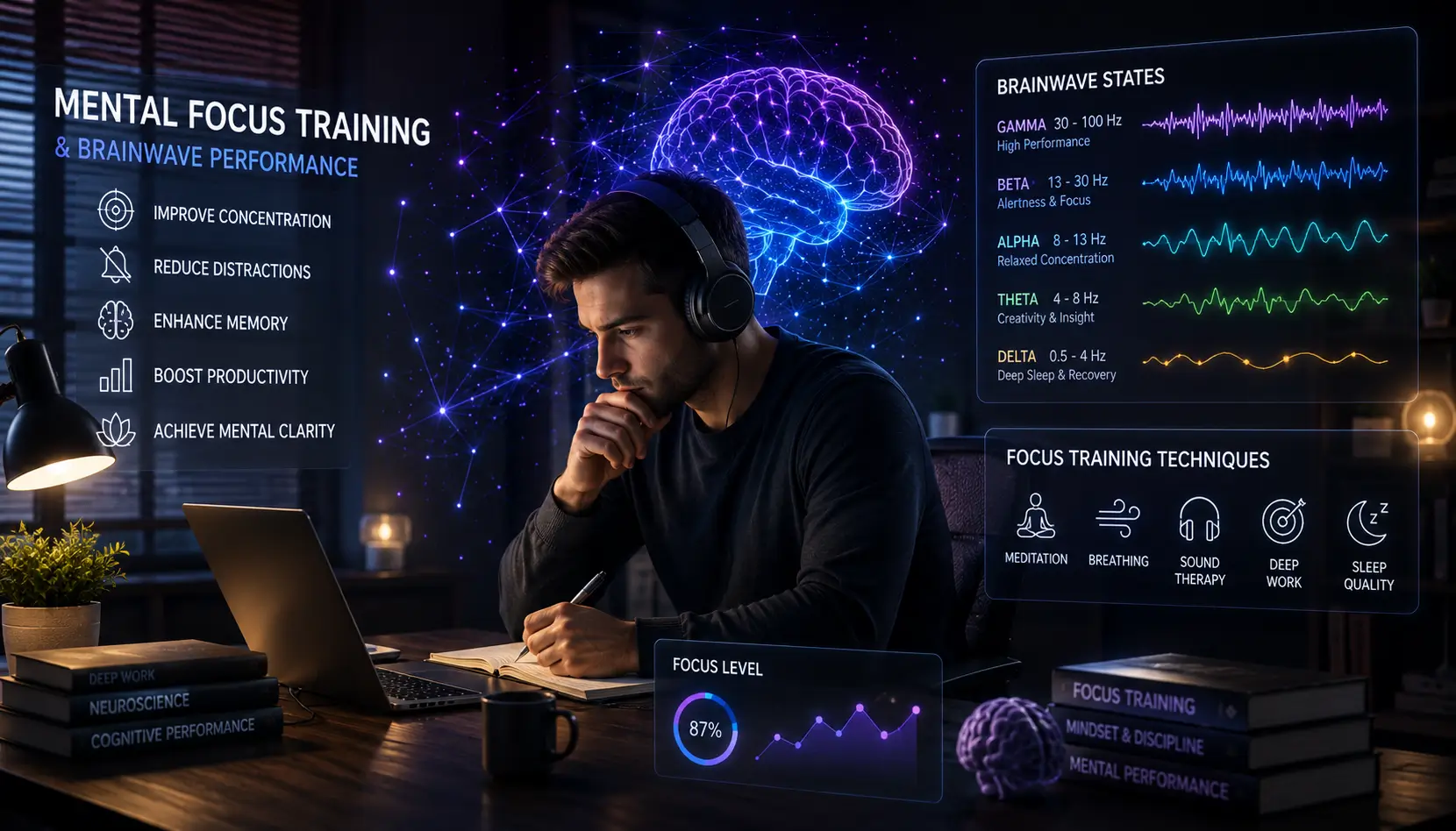
🧠 Why Mental Focus Matters More Than Ever Modern life constantly competes for attention. Notifications, multitasking, stress, and information overload can make sustained concentration increasingly difficult. Because of this, more
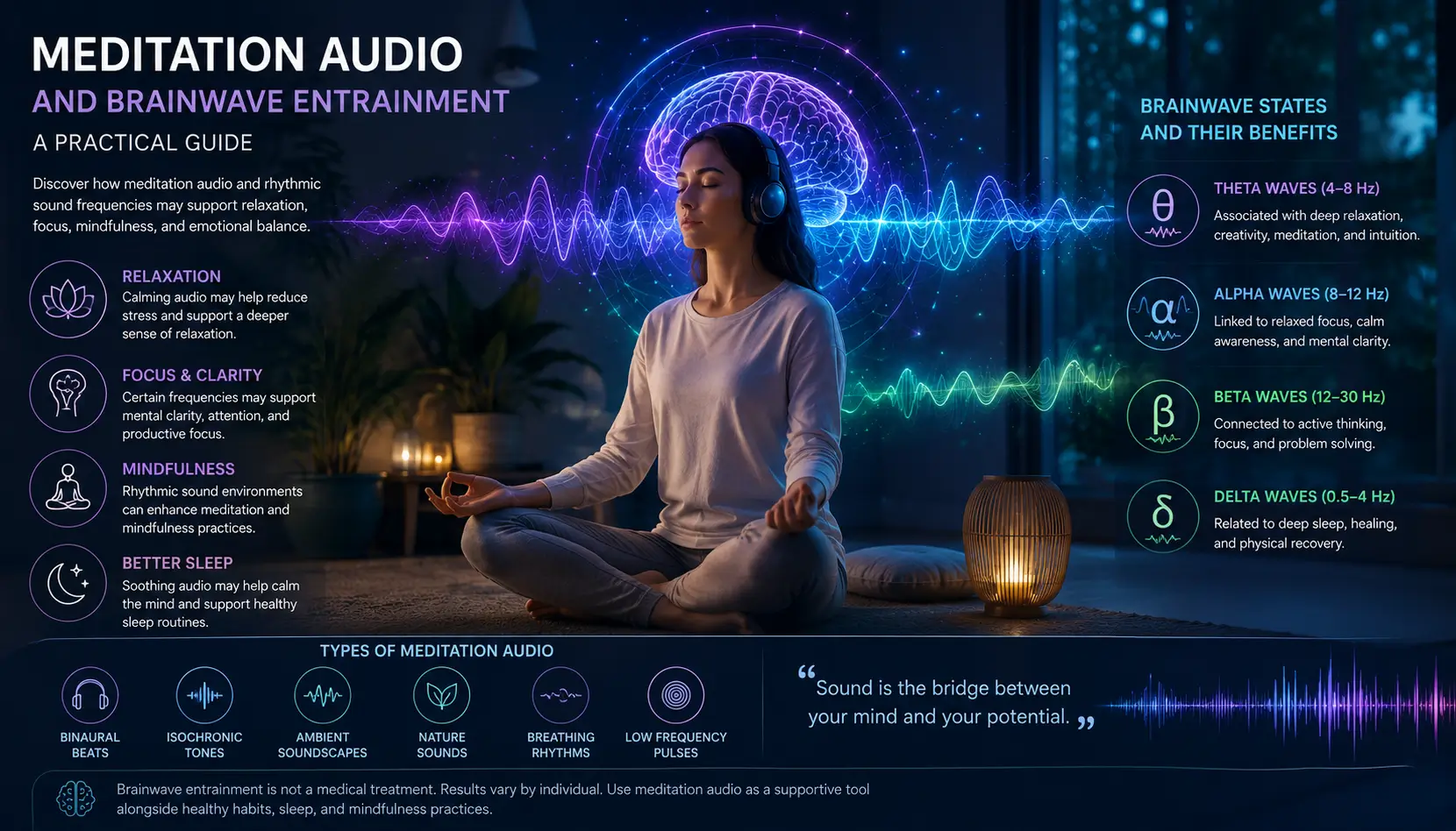
🧠 What Is Brainwave Entrainment? Brainwave entrainment is a concept based on rhythmic sensory stimulation. The idea is that repetitive audio patterns may influence mental-state activity by encouraging the brain

Sound affects people in powerful ways. Certain sounds may feel: calming, energizing, emotional, immersive, or mentally soothing. Music, ambient audio, nature sounds, and rhythmic tones can all influence how people
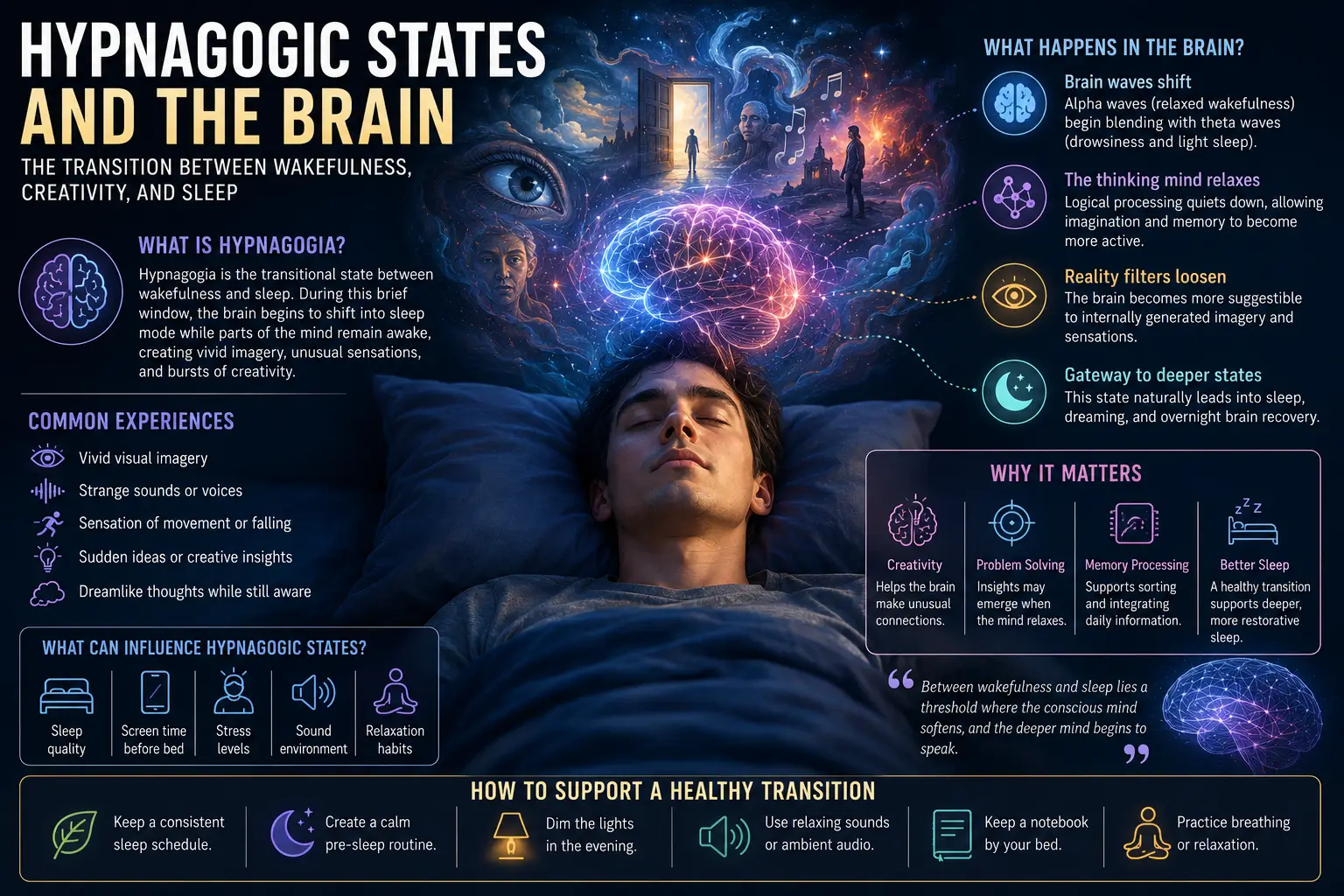
Have you ever experienced a strange moment just before falling asleep? Perhaps you heard a voice that wasn’t there. Maybe you briefly saw an image, a face, or an entire
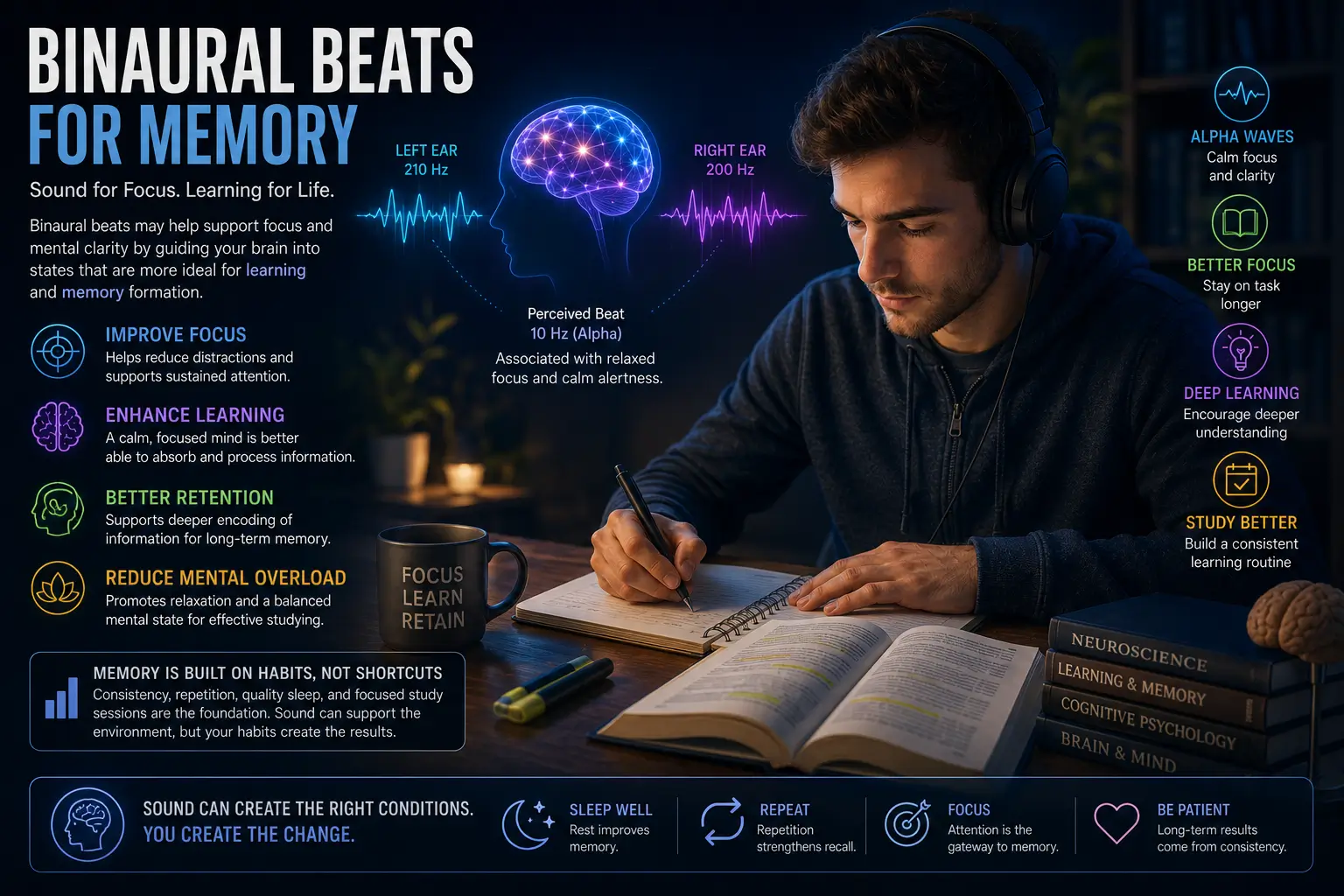
Memory is deeply connected to attention. When focus becomes fragmented, learning often becomes weaker. This is one reason many students, professionals, and lifelong learners search for ways to create better
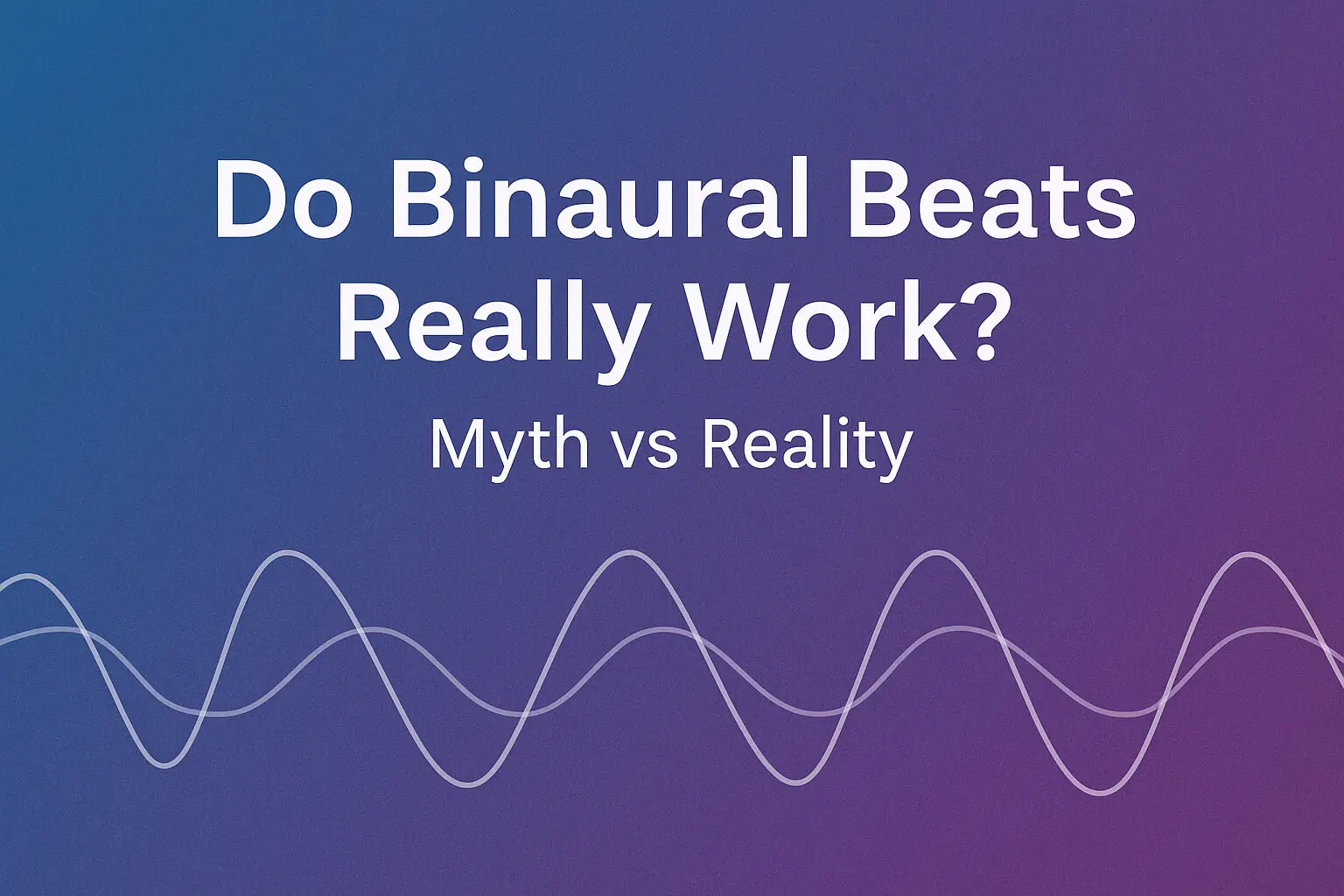
Some people describe binaural beats as life-changing.Others dismiss them as pseudoscience or placebo. If you spend enough time online, you’ll find extreme claims on both sides: “They completely rewired my
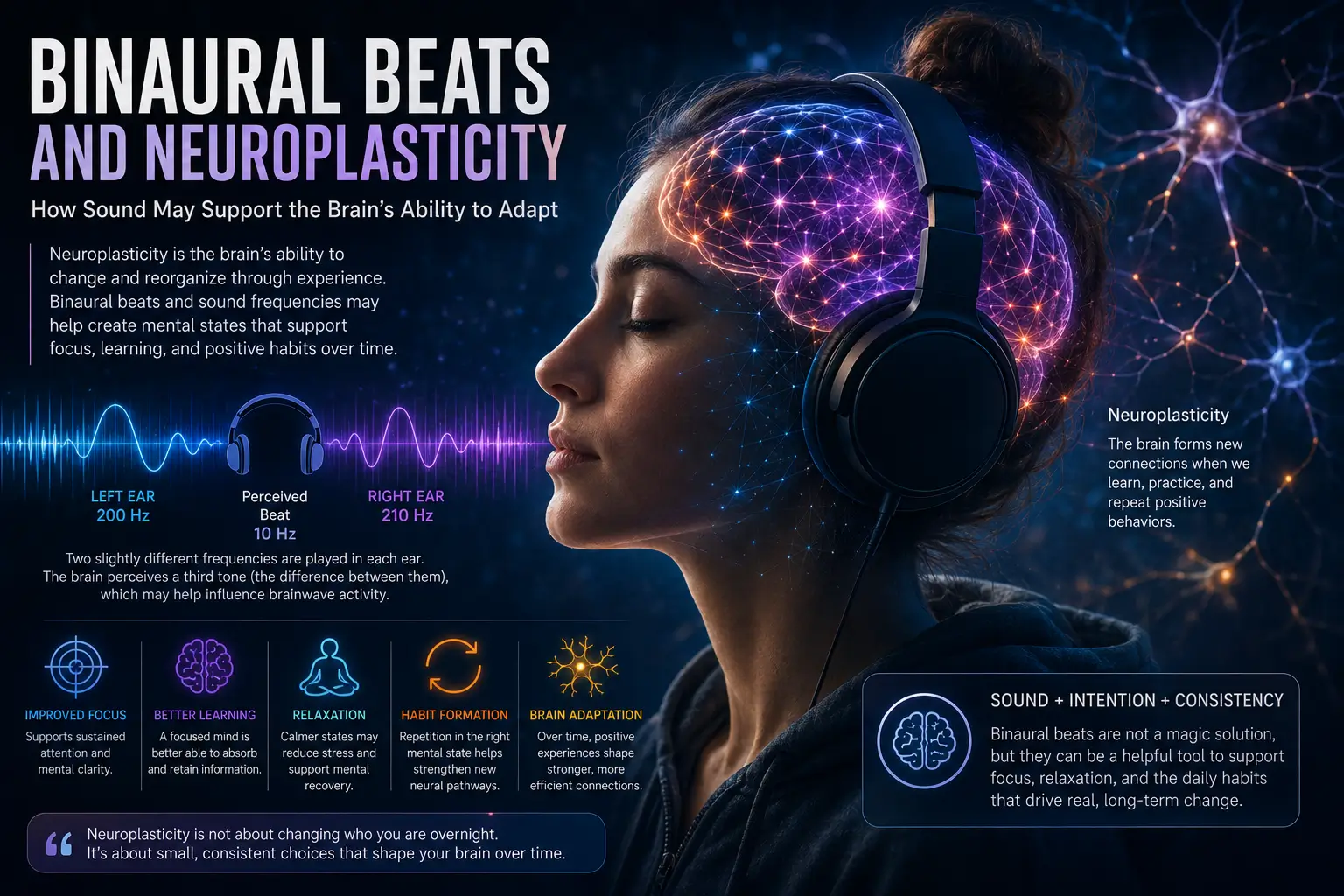
The human brain is not static. It constantly changes in response to experience, behavior, learning, attention, stress, and environment. This ability to adapt is known as neuroplasticity. In recent years,
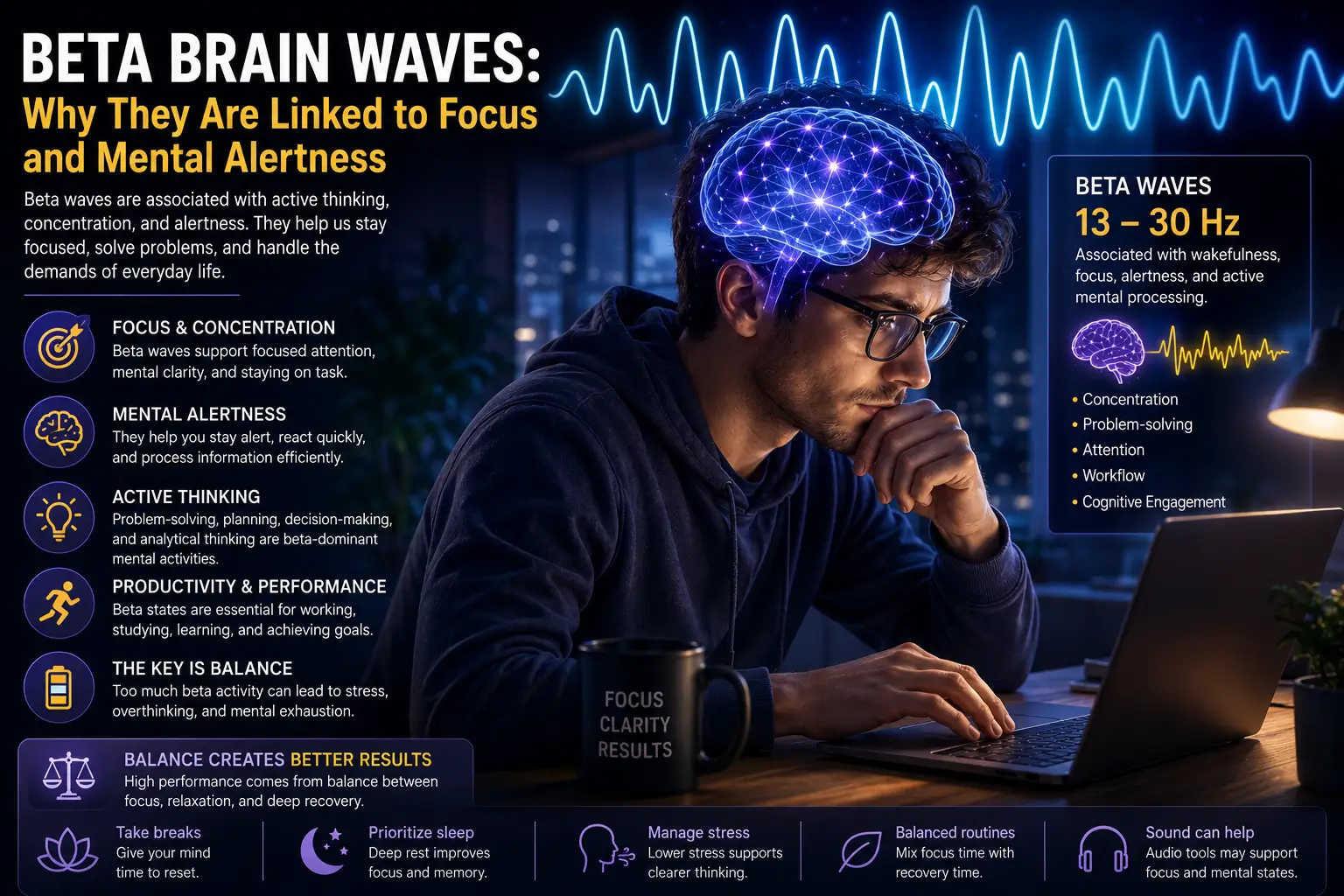
Modern life constantly demands attention. People move between notifications, multitasking, deadlines, conversations, screens, and information overload almost nonstop. In this environment, the brain often remains highly active for long periods