
Now Reading: Genius Wave Audio Review: A Balanced Look at Neuroacoustic Brainwave Programs
-
01
Genius Wave Audio Review: A Balanced Look at Neuroacoustic Brainwave Programs
Genius Wave Audio Review: A Balanced Look at Neuroacoustic Brainwave Programs
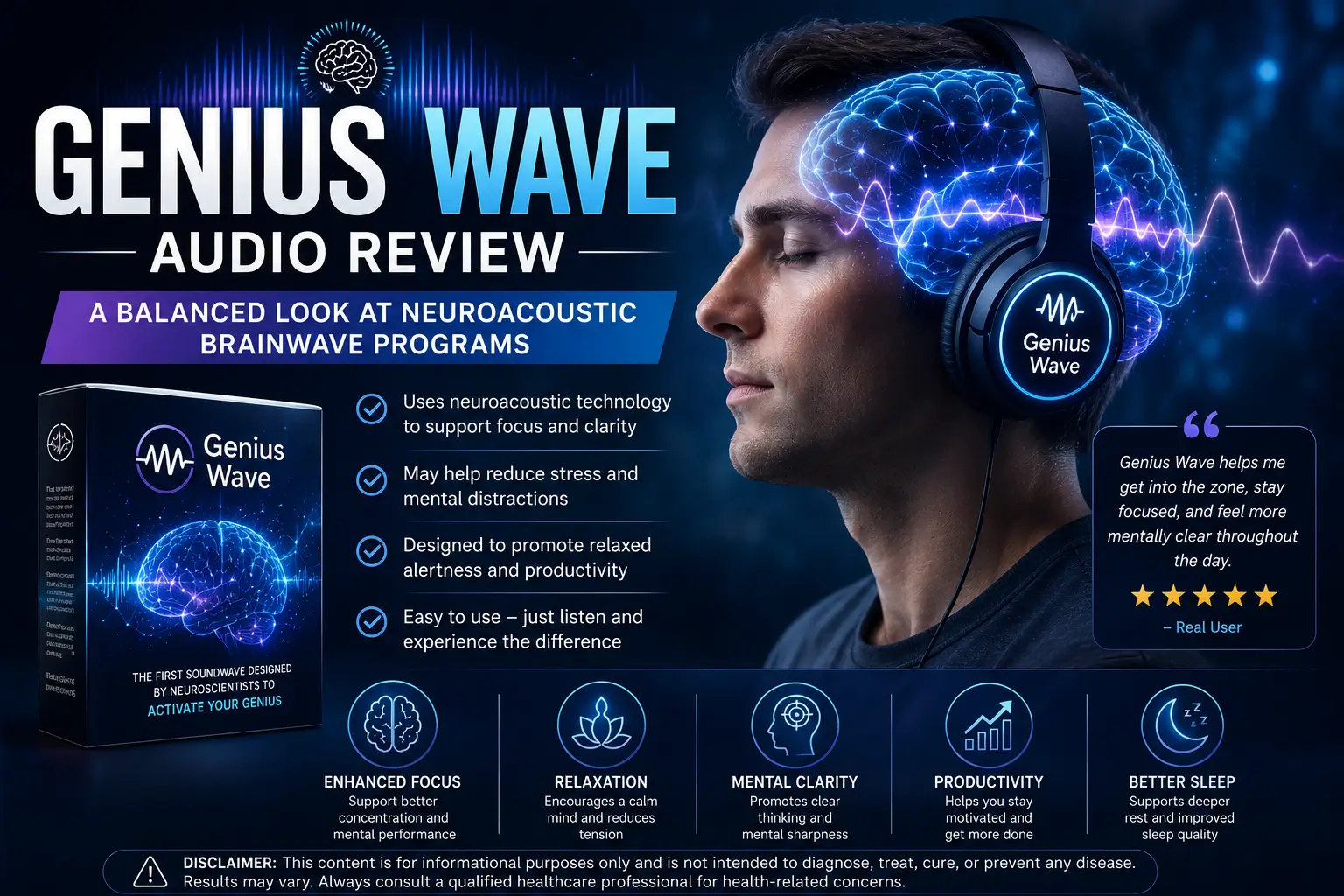
Audio-based brainwave programs continue to grow in popularity among people interested in focus, relaxation, productivity, and mental performance.
One of the most discussed products in this category is Genius Wave.
Supporters describe it as a neuroacoustic audio experience designed to encourage calmer focus and mental clarity.
At the same time, online discussions often become filled with exaggerated claims and unrealistic promises.
So what should people realistically expect from brainwave-oriented audio programs?
And how should Genius Wave be evaluated from a balanced perspective?
This review explores:
- what Genius Wave is,
- how neuroacoustic audio works conceptually,
- what brainwave entrainment discussions typically involve,
- and why realistic expectations matter.
🎧 What Is Genius Wave?
Genius Wave is presented as a neuroacoustic audio program focused on relaxation, focus, and mental performance support.
Like many products in the brainwave audio category, it may include elements such as:
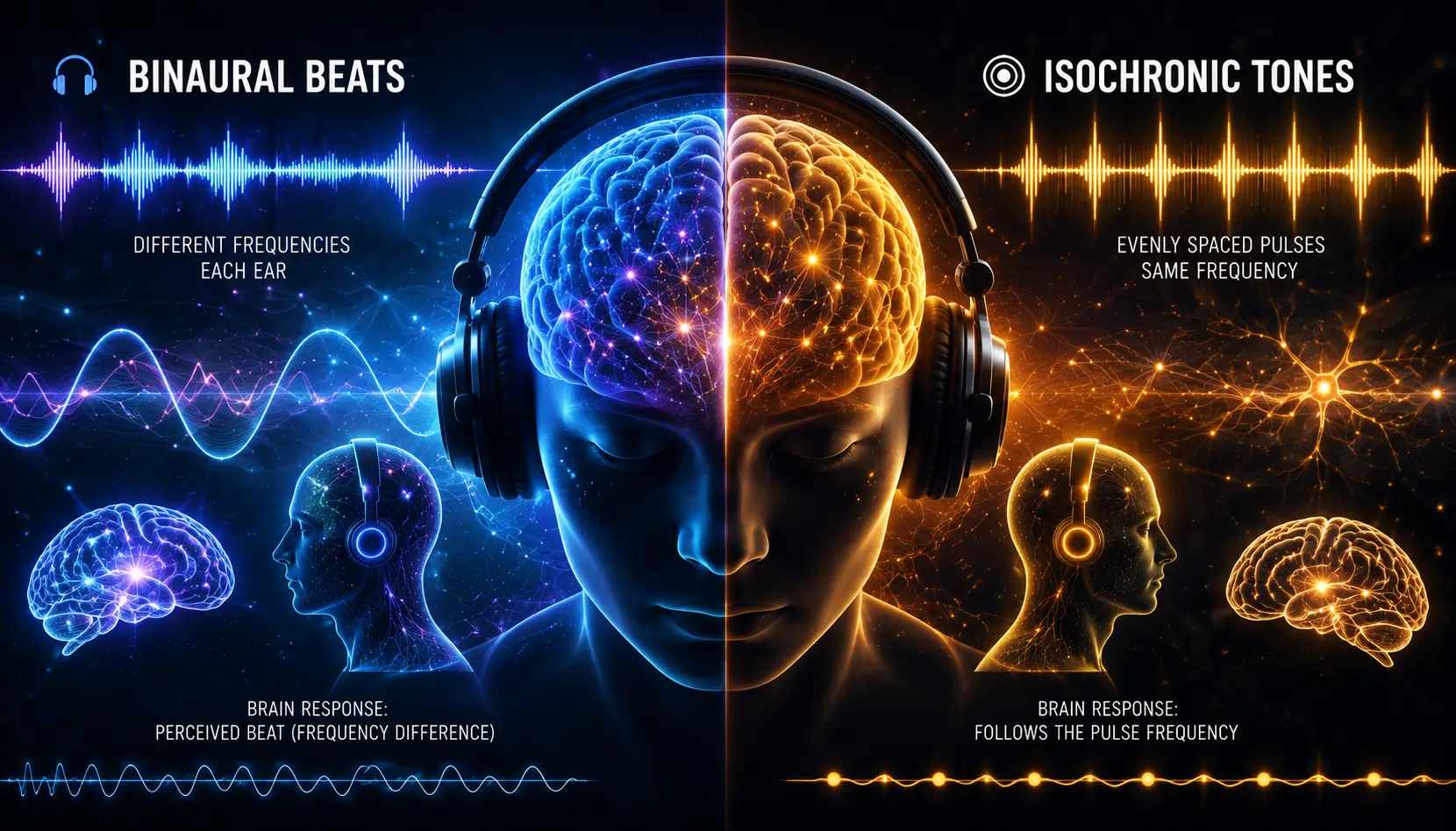
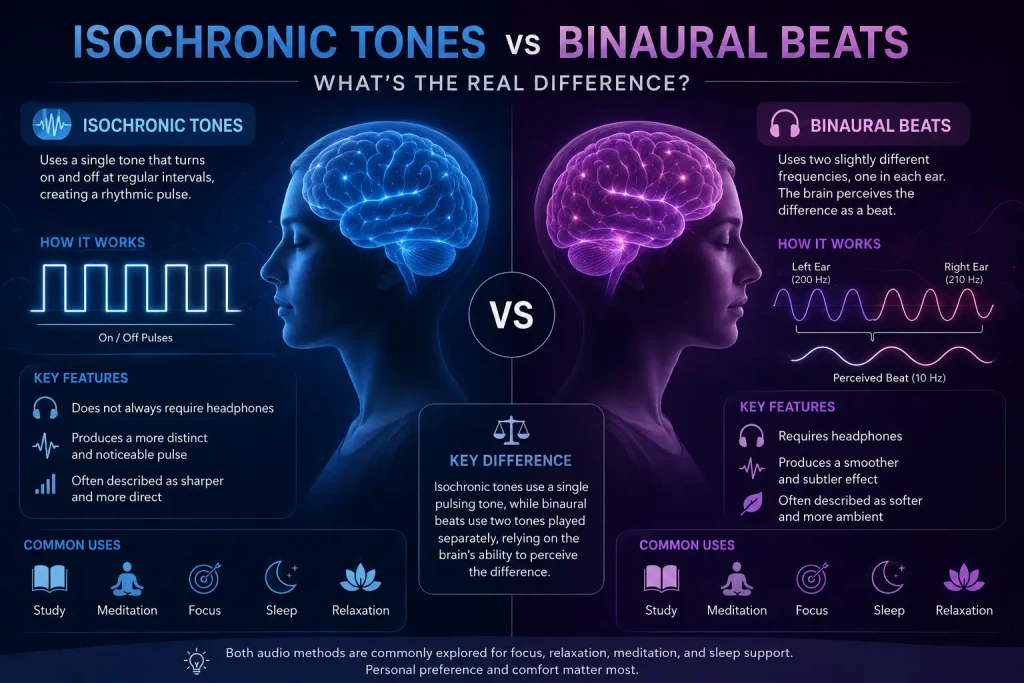
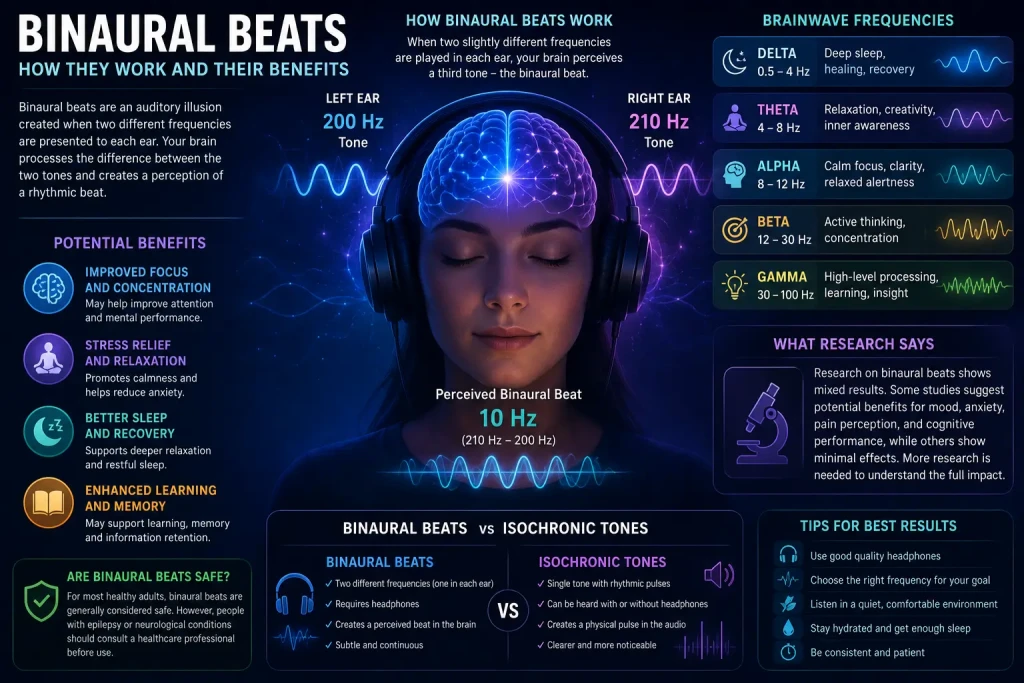
- binaural beats,
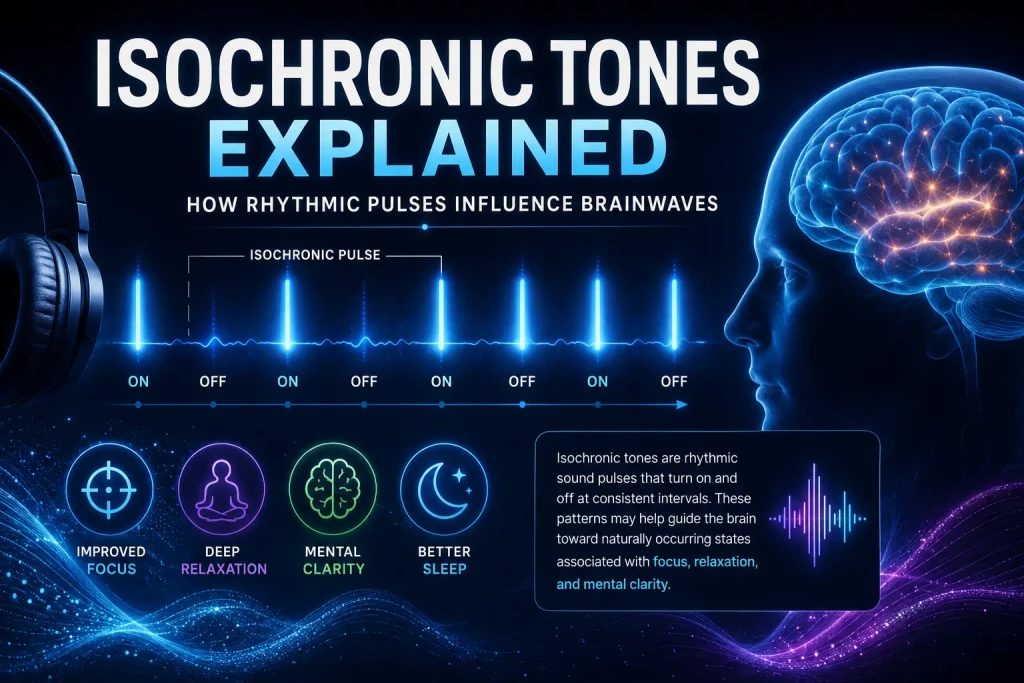
- rhythmic sound stimulation,
- ambient sound environments,
- and layered audio designed to create immersive listening experiences.
The broader idea behind these systems is that carefully structured sound environments may influence mental states related to attention, calmness, or relaxation.
🧠 Understanding Brainwave Audio
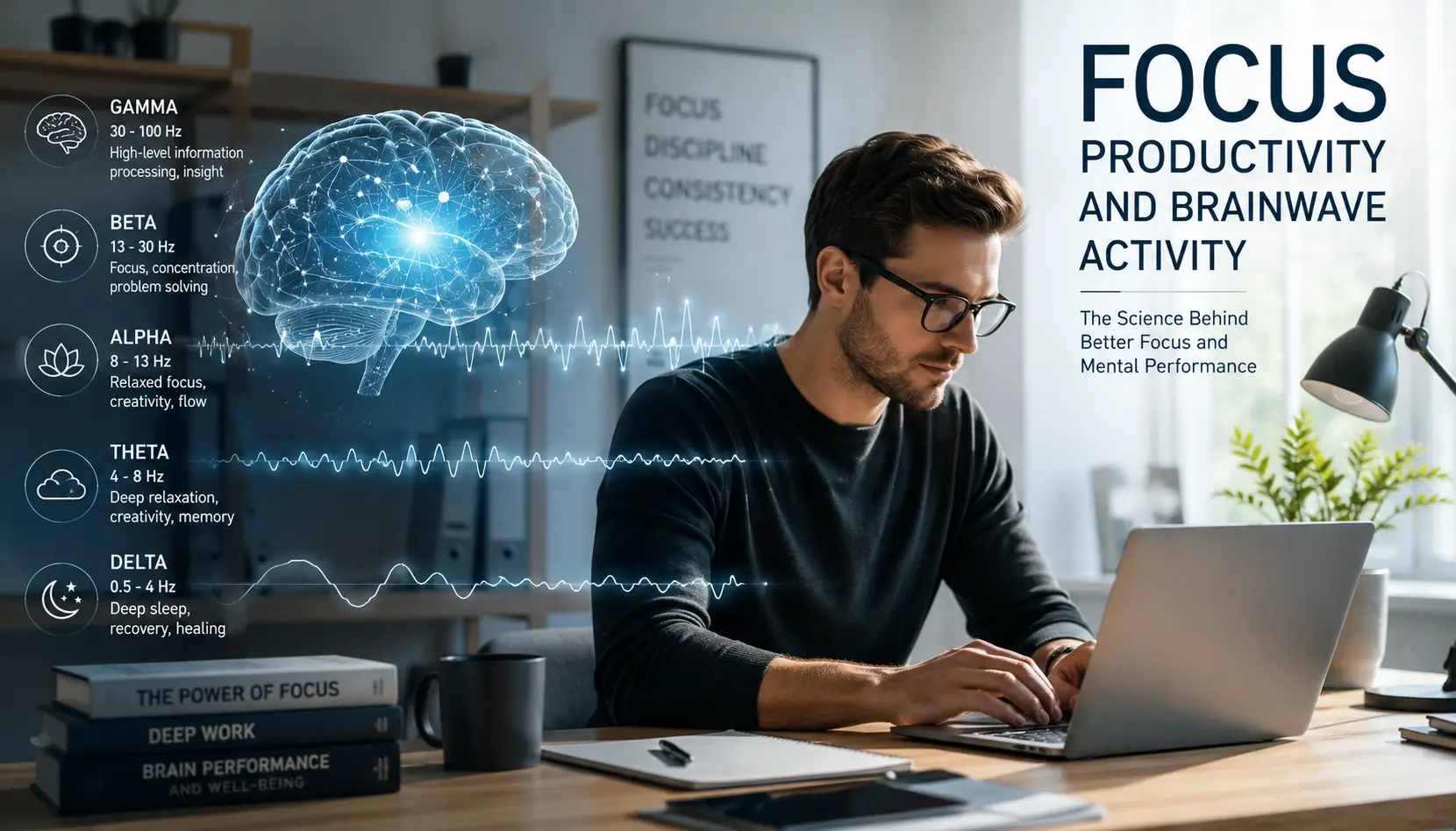
Brainwave discussions commonly involve several different categories of brainwave activity.
🔵 Beta Waves
Often associated with alert thinking, concentration, and active attention.
🟢 Alpha Waves
Frequently discussed in relation to relaxed focus and calmer mental states.
🟣 Theta Waves
Often connected to meditation, creativity, and deep relaxation discussions.
⚫ Delta Waves
Typically associated with deep rest and restorative sleep.
Related article: Types of Brain Waves Explained.
⚠️ Separating Realistic Expectations From Marketing Hype
The brainwave audio industry often includes exaggerated marketing language.
Online promotions sometimes suggest:
- instant intelligence boosts,
- overnight life transformation,
- or dramatic success through audio alone.
These claims should be approached carefully.
Long-term cognitive performance depends on many factors including:
- sleep quality,
- stress management,
- nutrition,
- physical activity,
- mental recovery,
- and daily routines.
Audio environments are unlikely to replace those foundations.
🎯 Why Some People Enjoy Neuroacoustic Audio
For many listeners, brainwave audio functions similarly to:
- background music,
- focus playlists,
- meditation soundscapes,
- or calming ambient audio.
Some people report that structured sound environments help them:
- reduce distraction,
- maintain focus,
- create intentional work sessions,
- or transition into calmer mental states.
Experiences vary significantly between individuals.
📚 What Research Says About Binaural Beats
Research into binaural beats and rhythmic sound stimulation remains ongoing.
Some studies investigate possible effects related to:
- attention,
- mood,
- relaxation,
- and cognitive states.
However, results are mixed, and researchers continue exploring how meaningful or consistent these effects may be.
Related article: The Science of Binaural Beats.
📱 Mental Overstimulation and Modern Attention Problems
Modern life constantly competes for attention.
People move rapidly between:
- notifications,
- social media,
- emails,
- videos,
- and nonstop digital stimulation.
This environment can increase mental fatigue and reduce recovery time.
For some people, calmer sound environments may simply help create more focused or intentional moments during the day.
Related article: Modern Brain Overstimulation.
🎵 Using Neuroacoustic Audio as Part of Healthy Routines
Some individuals explore neuroacoustic audio programs as part of broader relaxation, focus, or mindfulness routines.
These tools are generally best viewed as supportive environmental experiences rather than guaranteed transformation systems.
Consistency, healthy habits, and realistic expectations remain more important than any single audio product.
🚫 Common Misunderstandings
❌ “Brainwave Audio Creates Instant Genius”
There is no scientific evidence showing that audio alone instantly transforms intelligence or success.
❌ “One Frequency Works for Everyone”
People respond differently to sound environments and concentration methods.
❌ “More Intense Audio Always Means Better Results”
Gentler and more balanced sound environments are often more sustainable for long listening sessions.
🧠 Final Verdict
Genius Wave represents a growing category of neuroacoustic audio products designed around focus, relaxation, and brainwave-inspired listening experiences.
While some listeners may enjoy these audio environments as part of calming or productivity-focused routines, exaggerated marketing claims should always be approached critically.
The most balanced perspective is to treat neuroacoustic audio as a supportive environmental tool rather than a guaranteed shortcut to transformation.
Long-term mental performance is usually shaped more by sleep, recovery, stress management, and healthy daily habits than by any single audio program.
Related Articles
Related Posts
Stay Informed With the Latest & Most Important News
Previous Post
Next Post