
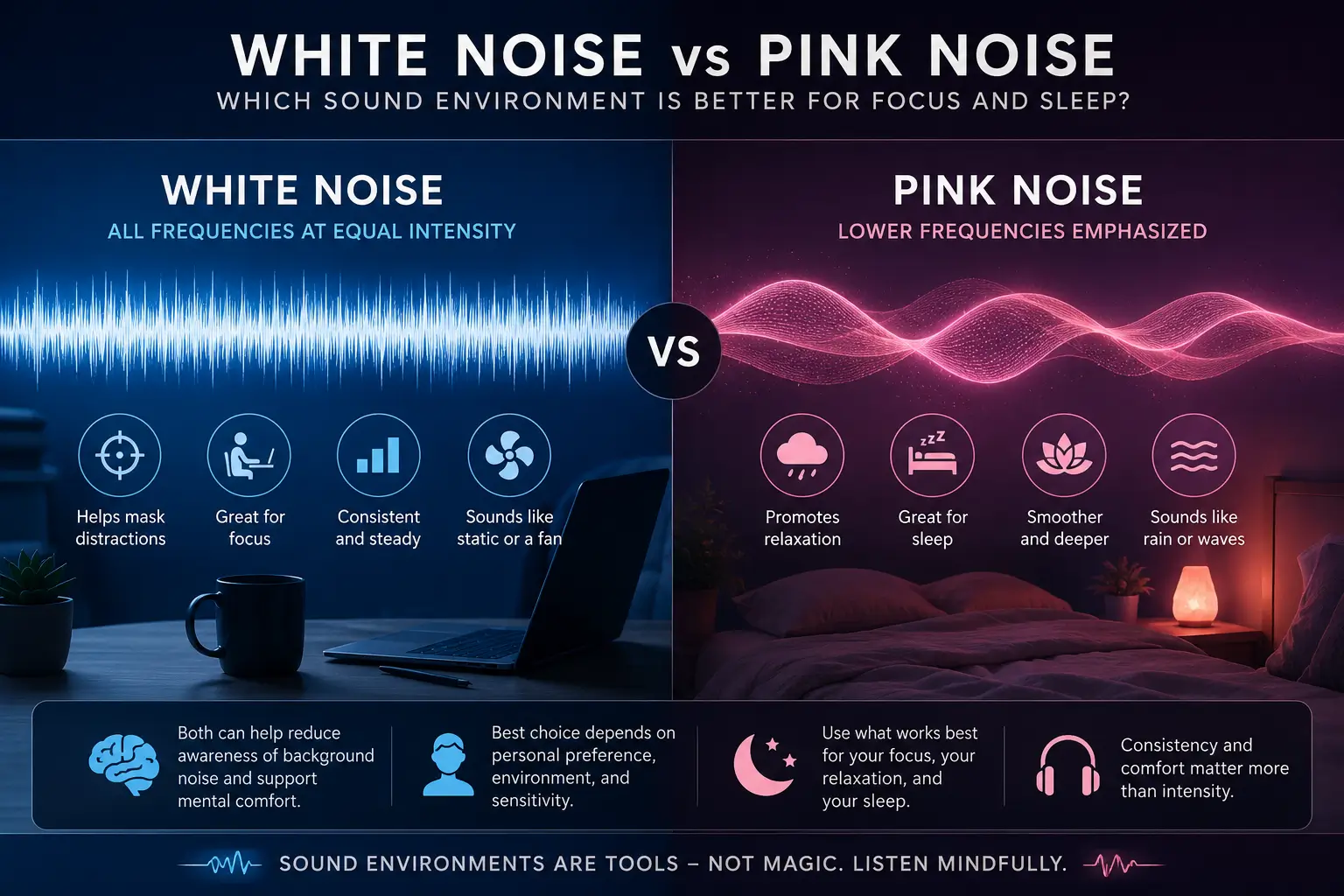
Sound environments have become increasingly popular for: concentration, sleep, relaxation, studying, and reducing distraction. Among the most discussed options are: white noise, pink noise, ambient soundscapes, and calming audio environments.
Sound environments have become increasingly popular for: concentration, sleep, relaxation, studying, and reducing distraction. Among the most discussed options are: white noise, pink noise, ambient soundscapes, and calming audio environments.
🎧 Meditation Music vs Brainwave Audio: Why People Compare Them As interest in focus enhancement, sleep support, and relaxation audio continues to grow, many people discover two popular categories of
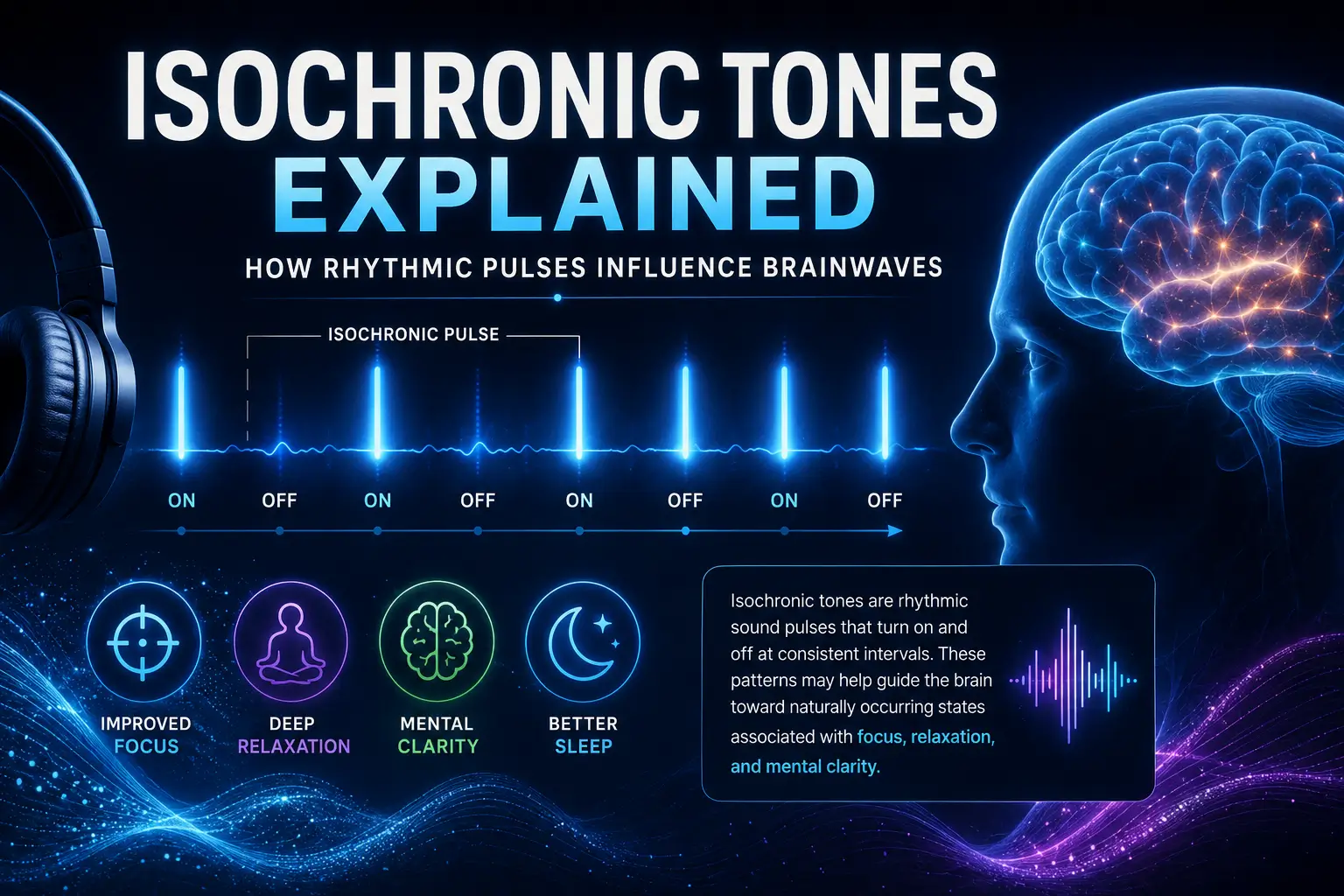
Interest in audio-based focus and relaxation tools has grown rapidly in recent years. Among the most discussed topics are: binaural beats, ambient focus music, meditation soundscapes, and isochronic tones. Supporters
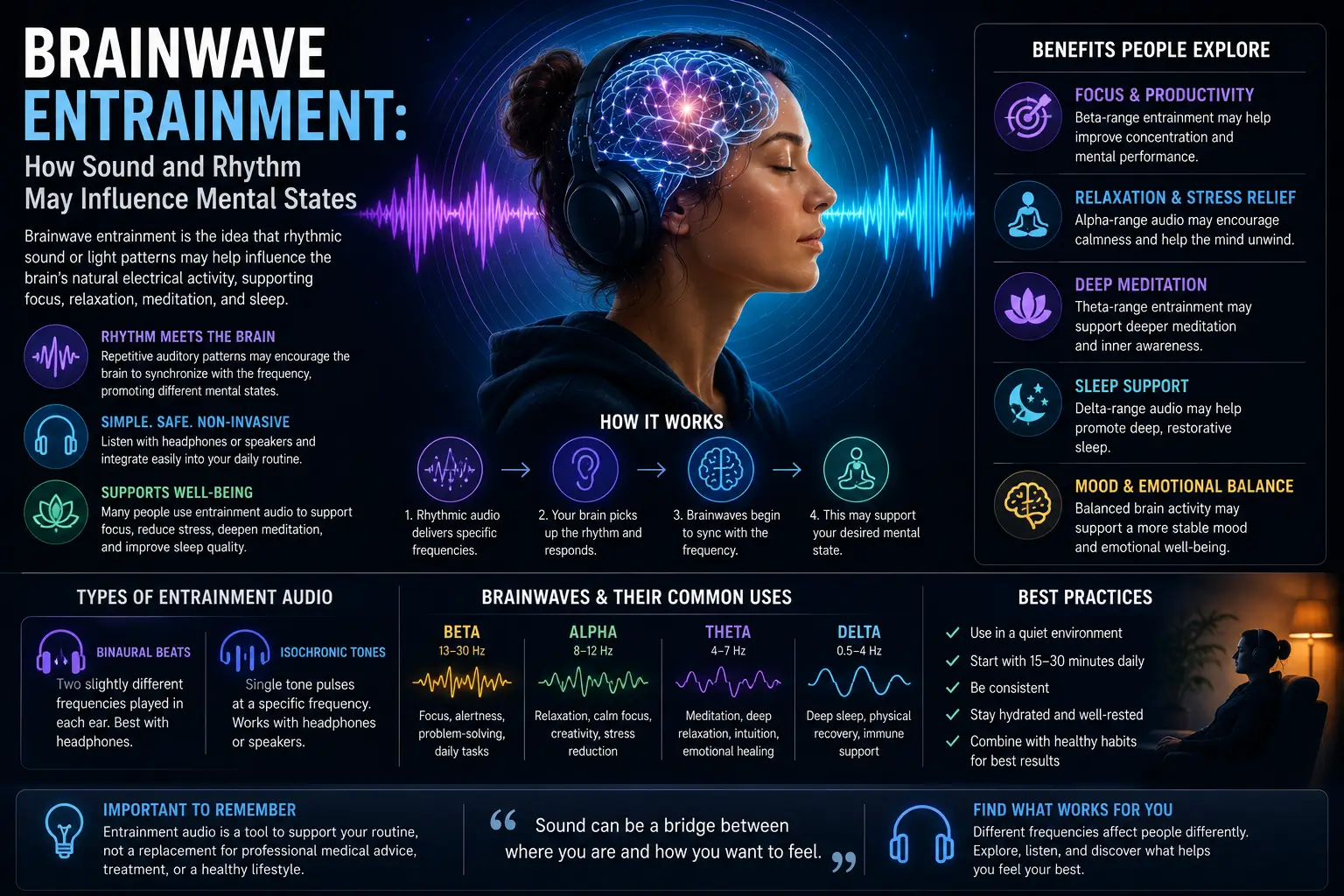
Modern life constantly stimulates the brain. Notifications, multitasking, background noise, stress, and endless digital input can make it difficult to fully relax or maintain stable focus. Because of this, many
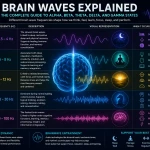
The human brain constantly produces rhythmic electrical activity. These patterns — commonly known as brainwaves — change depending on: attention, stress, sleep, emotional state, and cognitive activity. Brainwave entrainment is
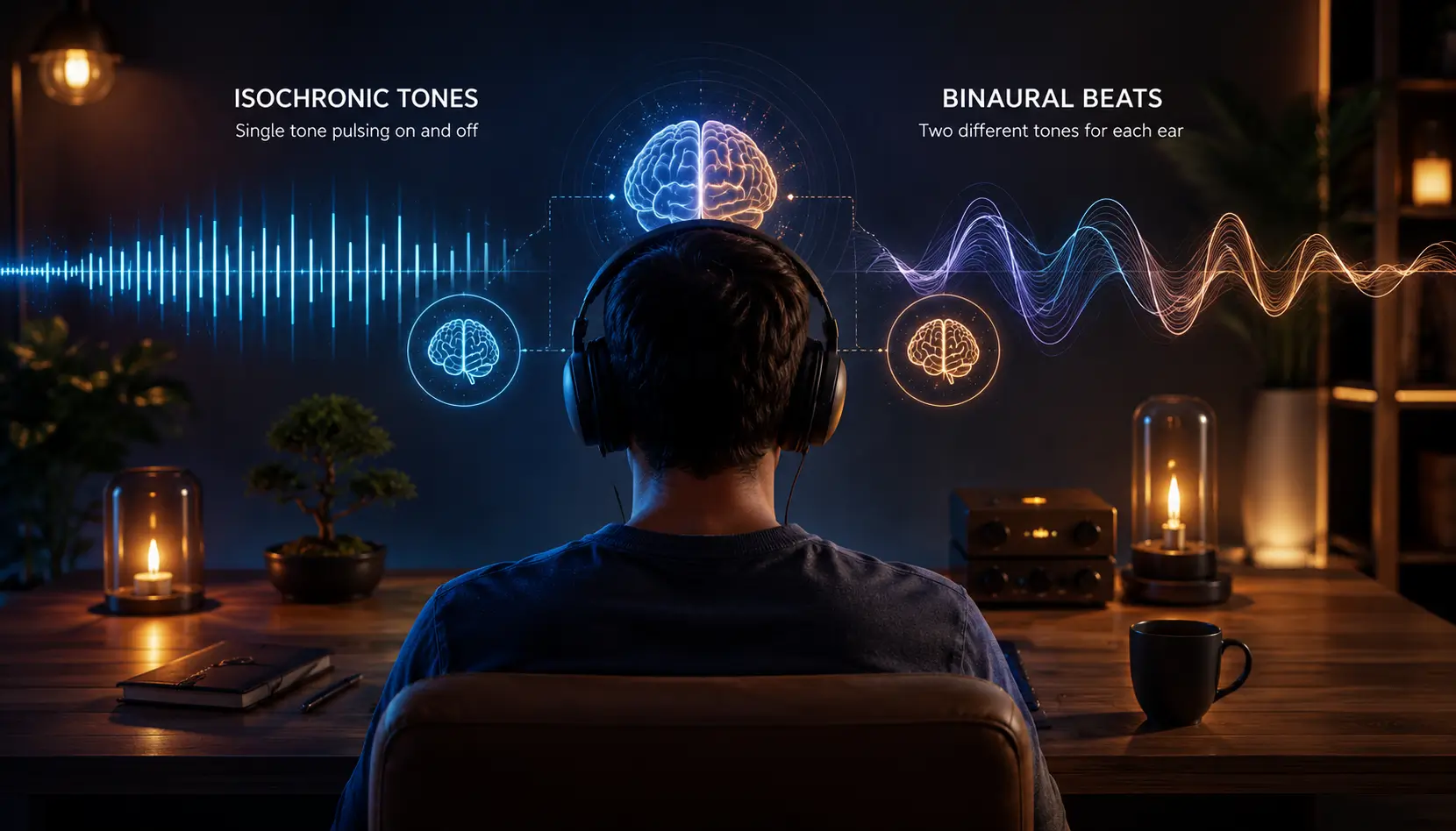
Brainwave audio has become increasingly popular for focus, meditation, sleep, and relaxation. But many people eventually run into the same question: Which works better — isochronic tones or binaural beats?
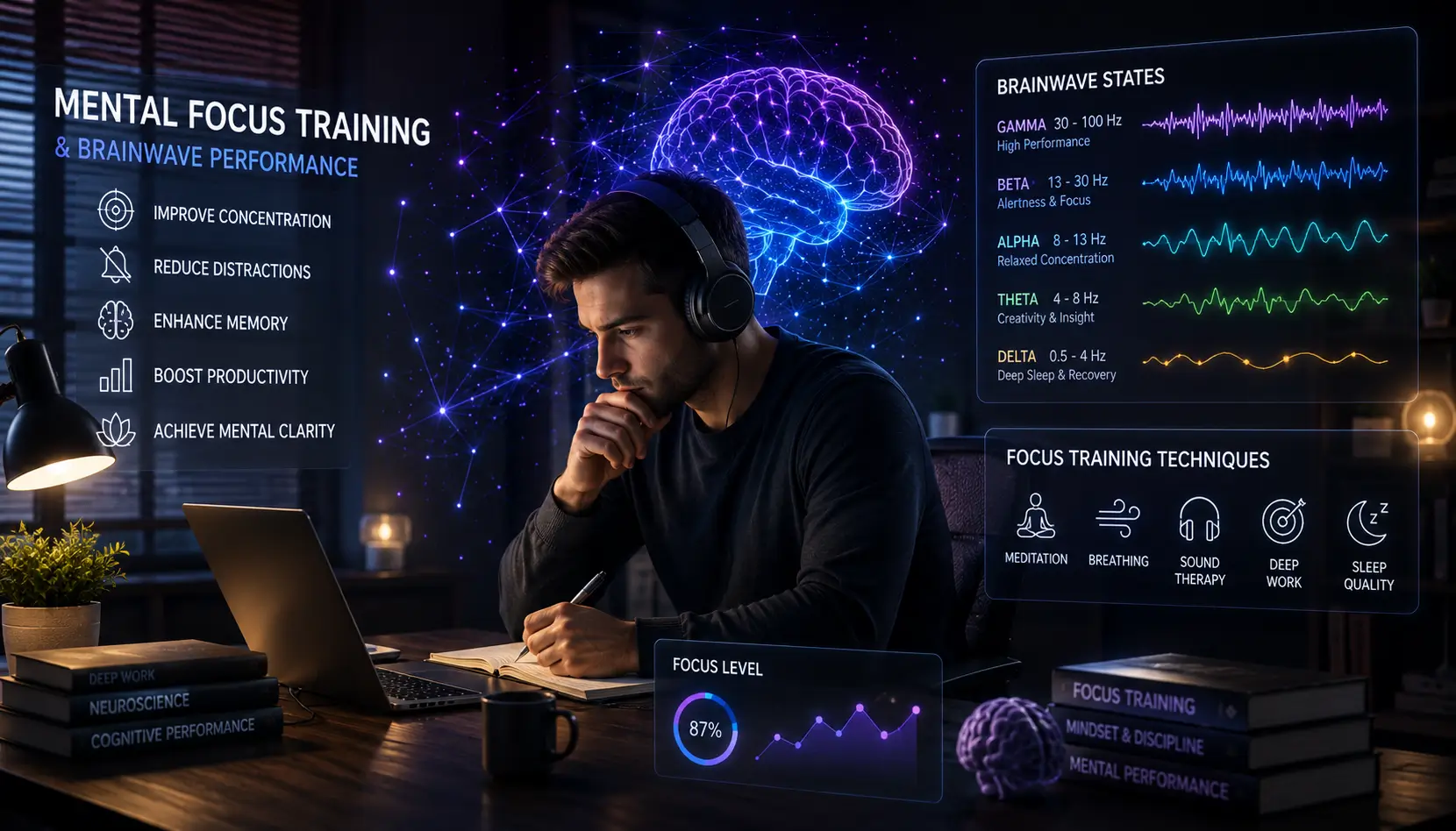
🧠 Why Mental Focus Matters More Than Ever Modern life constantly competes for attention. Notifications, multitasking, stress, and information overload can make sustained concentration increasingly difficult. Because of this, more
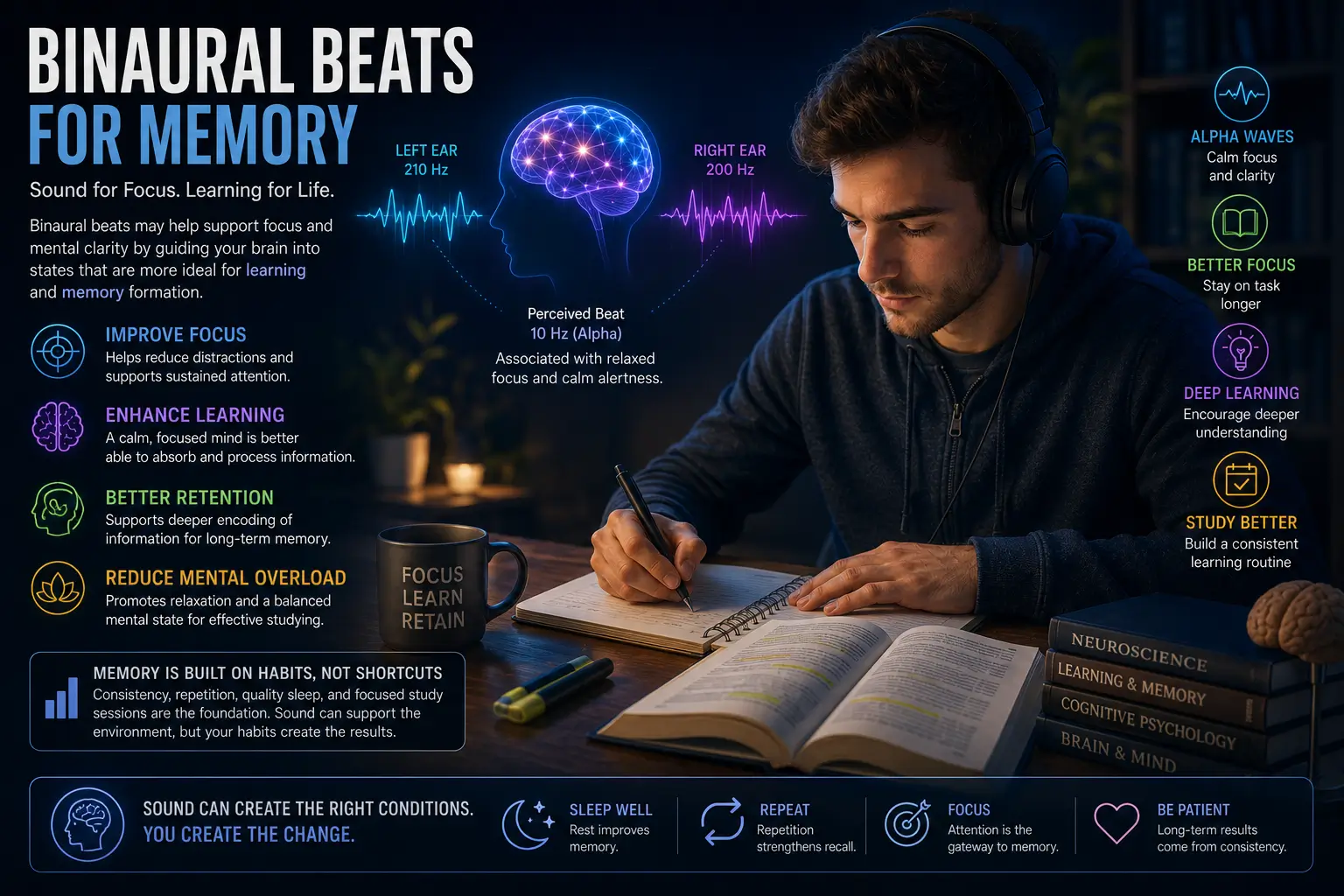
Memory is deeply connected to attention. When focus becomes fragmented, learning often becomes weaker. This is one reason many students, professionals, and lifelong learners search for ways to create better
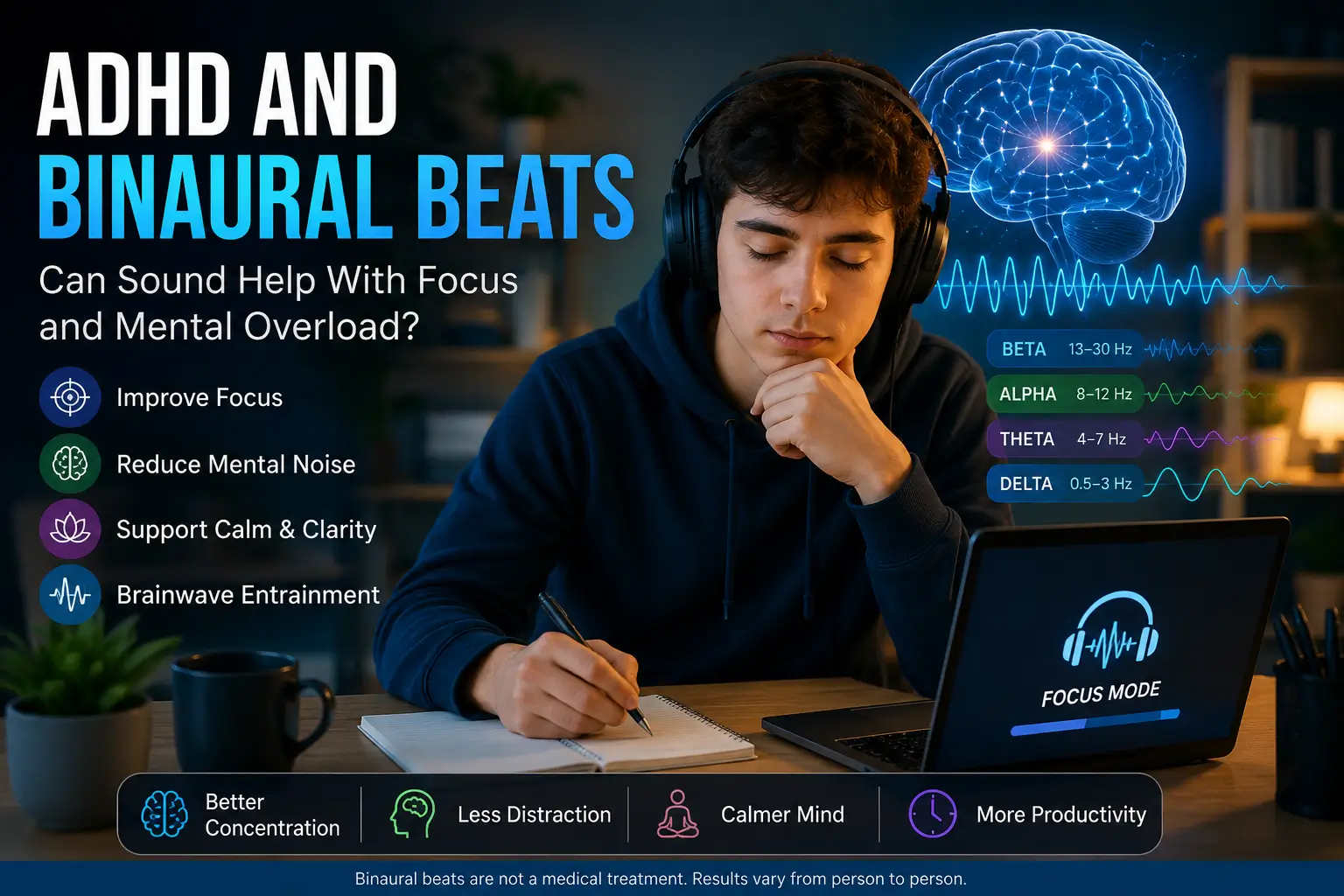
Many people with ADHD describe the same frustrating experience: The brain does not always feel “slow.” It feels too active. Too many thoughts. Too many distractions. Too many mental tabs
Maintaining deep focus has become increasingly difficult in modern life. Notifications, multitasking, social media, and constant digital stimulation make sustained concentration harder than ever for many people. This is one