
Now Reading: Mental Focus Training and Brainwave Performance
-
01
Mental Focus Training and Brainwave Performance
Mental Focus Training and Brainwave Performance
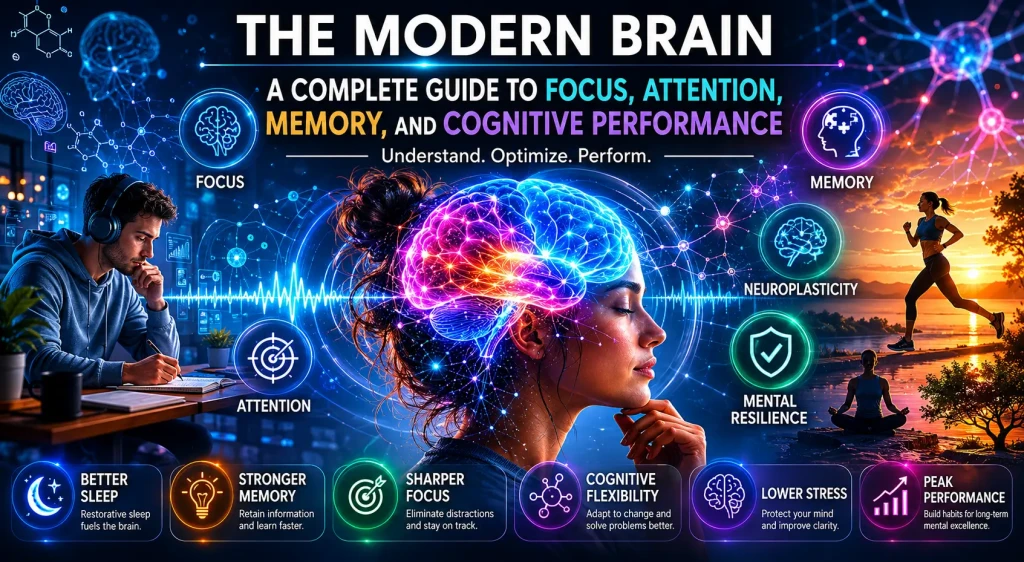
🧠 Why Mental Focus Matters More Than Ever
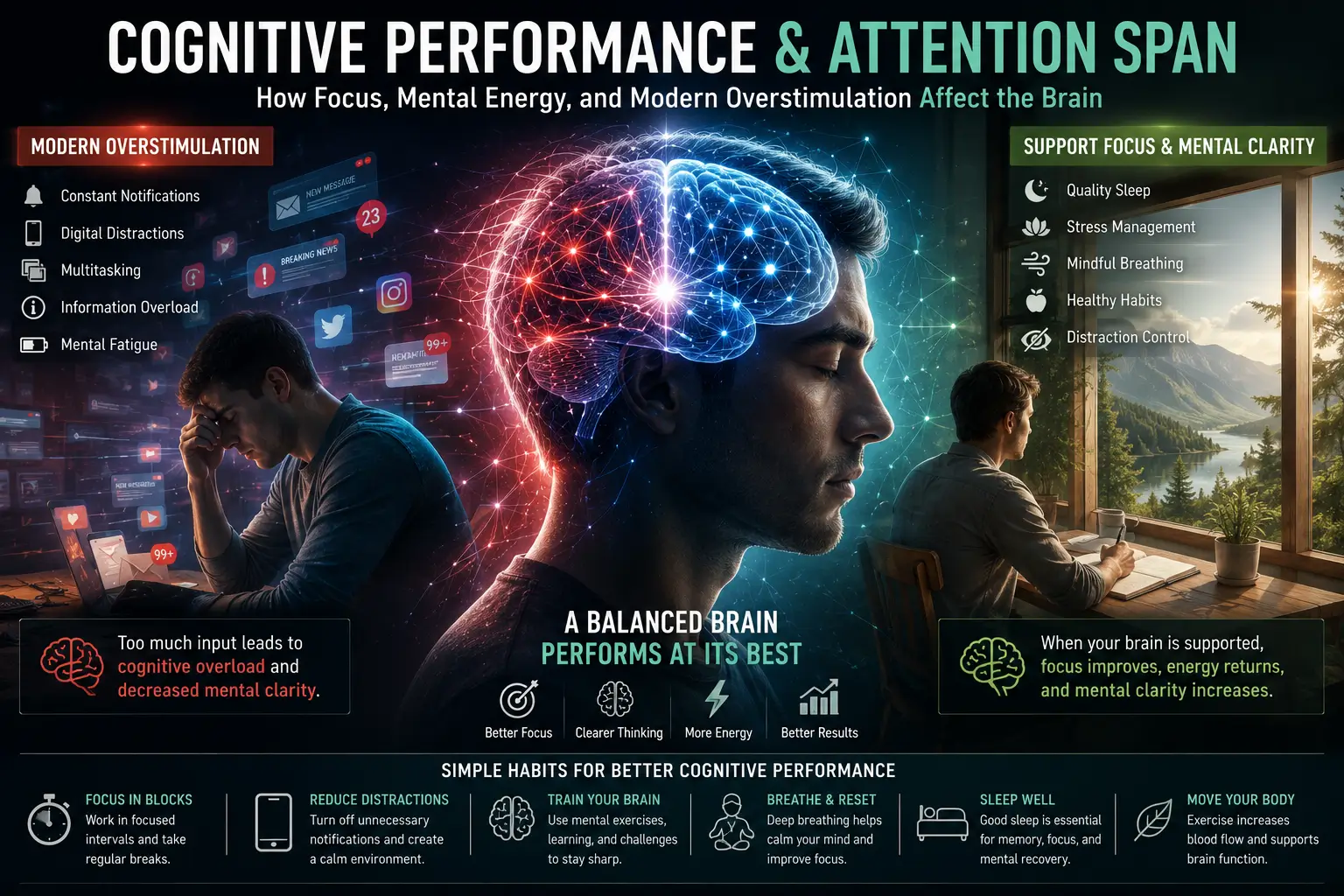
Modern life constantly competes for attention.
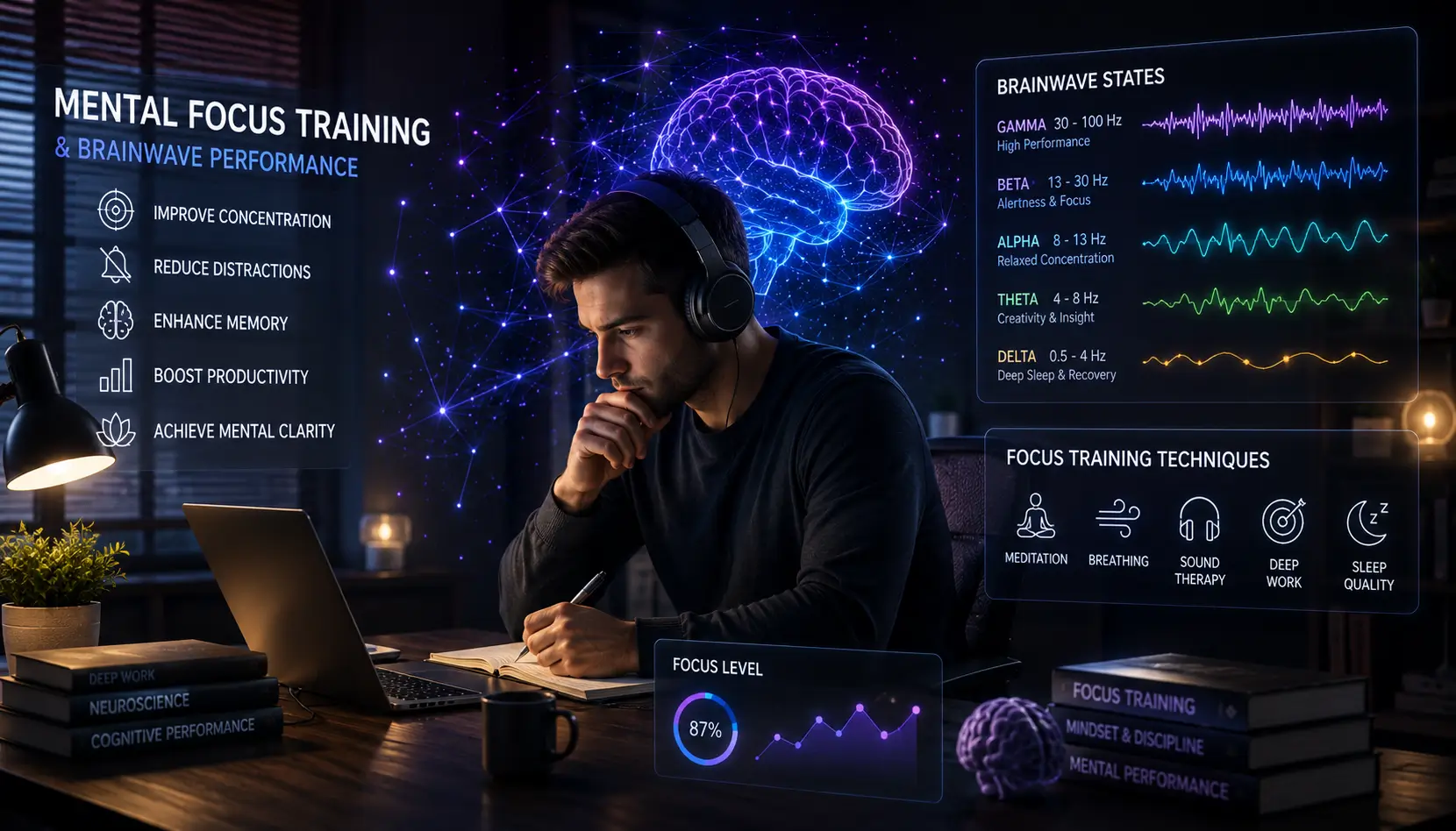
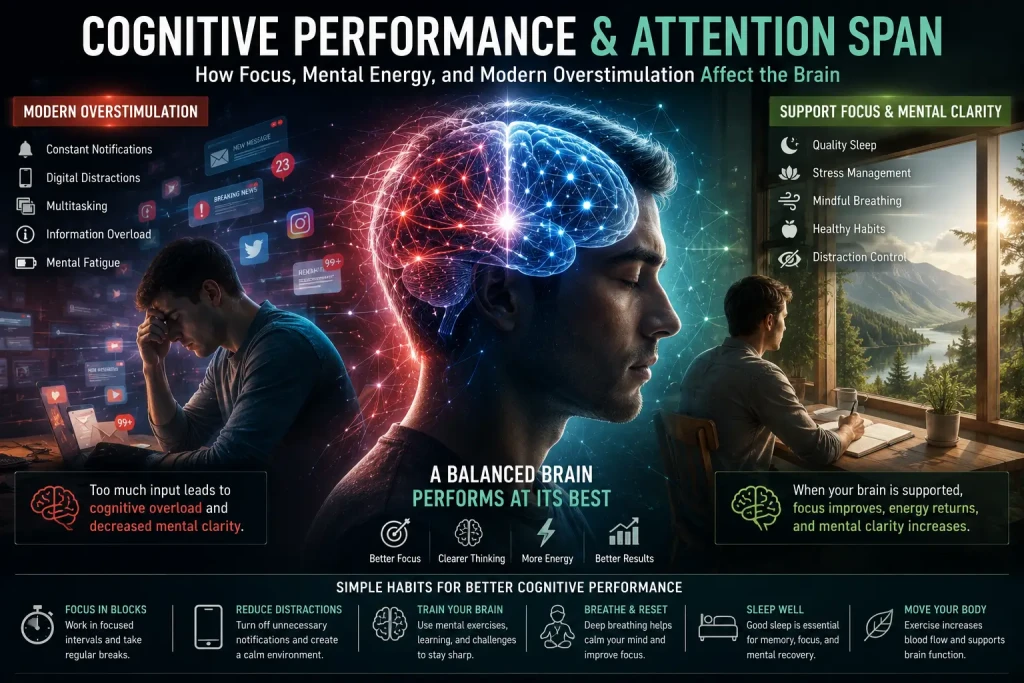
Notifications, multitasking, stress, and information overload can make sustained concentration increasingly difficult. Because of this, more people are exploring focus training techniques designed to improve attention, productivity, and mental clarity.
Some approaches involve meditation and mindfulness. Others focus on sleep quality, stress reduction, or structured work routines. More recently, interest has also grown around brainwave-focused audio environments and concentration soundscapes.
The goal is not instant transformation or “superhuman focus,” but creating conditions that may support better mental performance over time.
Related reading:
Brainwave States and Mental Performance
⚡ What Are Brainwave States?
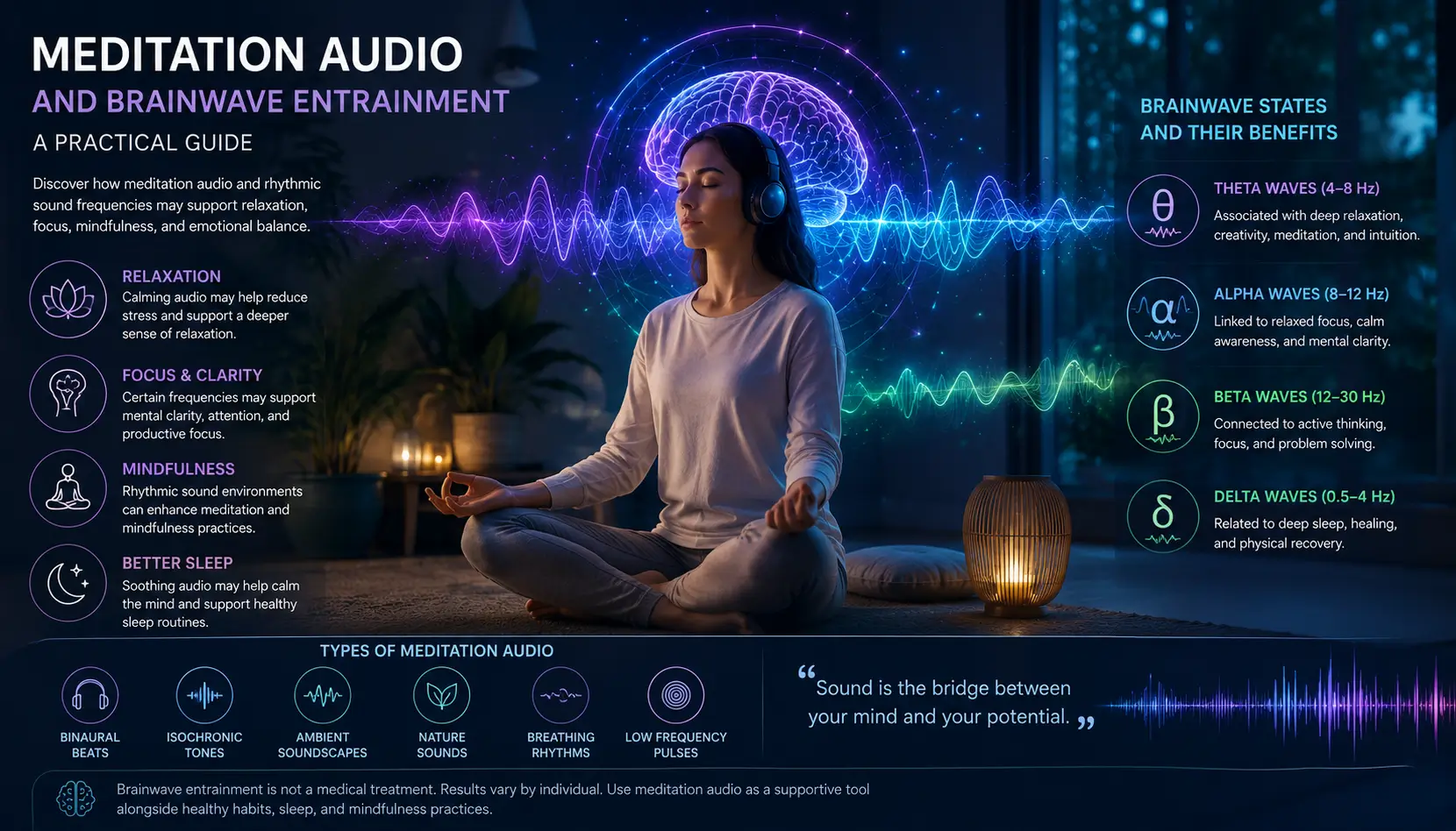
The brain naturally produces electrical activity that can be measured as different wave patterns.
These patterns are commonly grouped into several categories:
- Delta waves → deep sleep
- Theta waves → relaxation and creativity
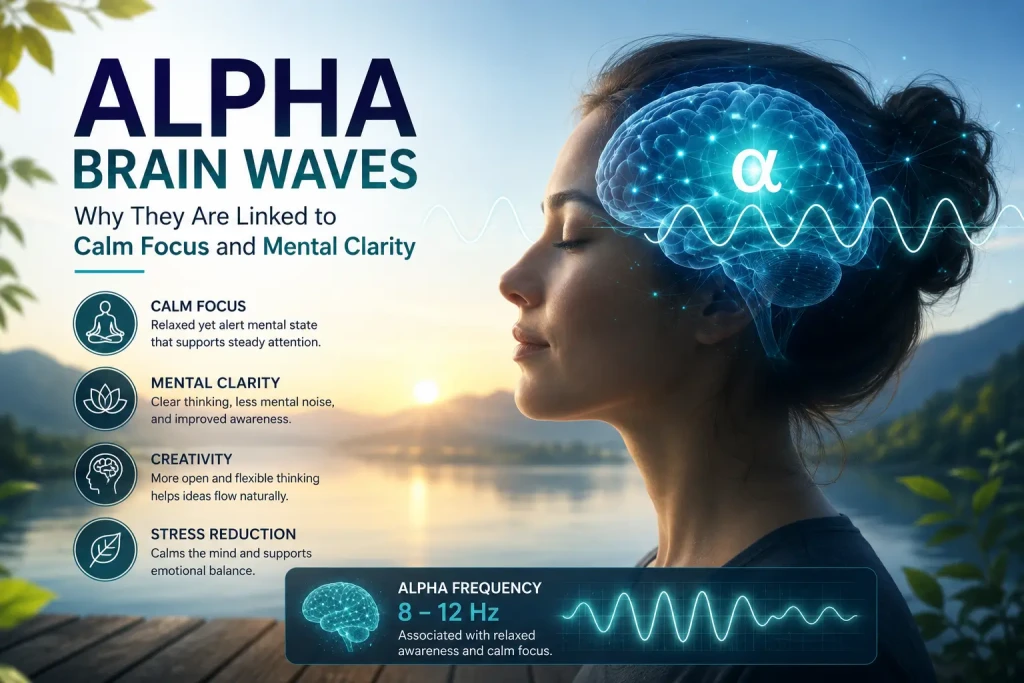
- Alpha waves → calm focus
- Beta waves → alert thinking
- Gamma waves → cognitive processing
Different mental activities are associated with different combinations of these states.
For example, calm concentration may involve increased alpha activity, while analytical tasks are often associated with beta and gamma engagement.
🎯 Focus Training and Cognitive Performance
Mental focus is not only about working harder. In many cases, it is about reducing unnecessary cognitive noise.
Focus training techniques may help support:
- Attention control
- Task consistency
- Mental endurance
- Reduced distraction
- Productivity routines
- Learning efficiency
Some people use structured routines such as:
- Deep work sessions
- Pomodoro cycles
- Meditation
- Breathing exercises
- Low-distraction sound environments
Over time, these habits may help create more sustainable concentration patterns.
🎧 Brainwave Audio and Focus Environments
One growing area of interest involves sound environments designed to support concentration.
These audio systems may include:
- Binaural beats
- Isochronic tones
- Ambient focus soundscapes
- Brown noise
- Rhythmic pulse audio
The concept behind these systems is often connected to brainwave entrainment — the idea that repetitive auditory stimulation may influence mental-state patterns.
Some listeners report that repetitive sound environments feel less distracting than traditional music during work or studying.
Related article:
Audio Environments for Focus and Deep Work
📚 The Role of Alpha and Gamma Activity
Different brainwave discussions often focus on alpha and gamma activity for concentration support.
Alpha states are commonly associated with:
- Calm attention
- Relaxed awareness
- Reduced mental tension
Gamma activity is often linked to:
- Information processing
- Intense concentration
- Cognitive integration
- Focused mental engagement
However, brain activity is highly complex, and no single frequency guarantees productivity or focus.
Healthy routines remain significantly more important than audio stimulation alone.
Related reading:
Gamma Brain Waves and Cognitive Performance
🌙 Sleep and Mental Performance
One of the most overlooked aspects of concentration is sleep quality.
Chronic sleep disruption can affect:
- Attention span
- Memory
- Reaction time
- Mood regulation
- Learning ability
This is one reason many focus-oriented routines also prioritize nighttime recovery and stress reduction.
Related guide:
Which Brain Waves Help You Sleep?
🧘 Meditation and Attention Training
Meditation practices are frequently discussed alongside focus training because they may help strengthen awareness and attention control.
Regular mindfulness sessions may support:
- Reduced distraction
- Improved emotional regulation
- Greater mental clarity
- Better stress management
Some listeners combine meditation practices with structured sound environments during concentration or relaxation sessions.
Related article:
Brain Wave Meditation Techniques
🚀 Interest in Cognitive Audio Continues to Grow
As more people look for non-invasive ways to improve focus and productivity, interest in brainwave-based audio environments continues to expand.
Some modern programs combine ambient soundscapes with rhythmic stimulation patterns inspired by brainwave entrainment concepts.
One example is:
The Genius Wave audio program, which uses layered sound environments inspired by multiple brainwave states.
📌 Final Thoughts
Mental focus is influenced by many factors, including sleep quality, stress management, routines, environment, and cognitive habits.
Brainwave-focused audio environments may support concentration for some listeners, particularly when combined with healthy productivity habits and reduced distraction.
However, no audio program should be viewed as a shortcut to instant cognitive transformation.
The most sustainable improvements in mental performance usually come from consistency, healthy routines, and long-term attention training.
🔗 Related Articles
Related Posts
Stay Informed With the Latest & Most Important News
Previous Post
Next Post