
Now Reading: Why Modern Brains Feel Constantly Overstimulated
-
01
Why Modern Brains Feel Constantly Overstimulated
Why Modern Brains Feel Constantly Overstimulated

Many people today feel mentally exhausted even when they are not physically active.
The modern world constantly pushes the brain into a state of nonstop stimulation. Notifications, social media, multitasking, artificial lighting, background noise, endless scrolling, and fragmented attention patterns all compete for mental resources throughout the day.
For some individuals, this creates a persistent feeling of cognitive overload — where the brain struggles to fully relax, focus deeply, or mentally recover.
This experience is often described online as overstimulation.
While the internet sometimes exaggerates the concept, the underlying issue is very real: modern environments place unusual demands on human attention systems.
📱 What Is Mental Overstimulation?
Mental overstimulation happens when the brain receives more sensory, emotional, or cognitive input than it can comfortably process over time.
This may include:
- constant notifications,
- rapid task switching,
- social media scrolling,
- crowded visual environments,
- nonstop entertainment,
- high stress levels,
- or excessive information consumption.
Human nervous systems did not evolve inside environments filled with continuous digital stimulation.
Although technology provides incredible benefits, many modern routines rarely allow the brain to fully slow down.
⚡ Why Focus Feels Harder Than It Used To
Many people notice that deep concentration feels increasingly difficult.
This is partly because modern digital systems are designed around attention competition.
Apps, videos, feeds, notifications, and recommendation algorithms constantly encourage rapid shifts in attention.
Over time, the brain can become highly accustomed to novelty, interruption, and stimulation pacing.
This does not mean modern technology “damages” the brain in a dramatic science-fiction sense.
But it may contribute to:
- mental fatigue,
- reduced attention endurance,
- difficulty relaxing,
- fragmented thinking patterns,
- and feelings of cognitive overload.
Many people describe this experience as feeling mentally “wired but tired.”
🧠 The Nervous System and Constant Input
The nervous system continuously monitors environmental stimulation.
Bright screens, alerts, fast-moving content, stressful news cycles, and emotional social media environments may all increase mental activation levels.
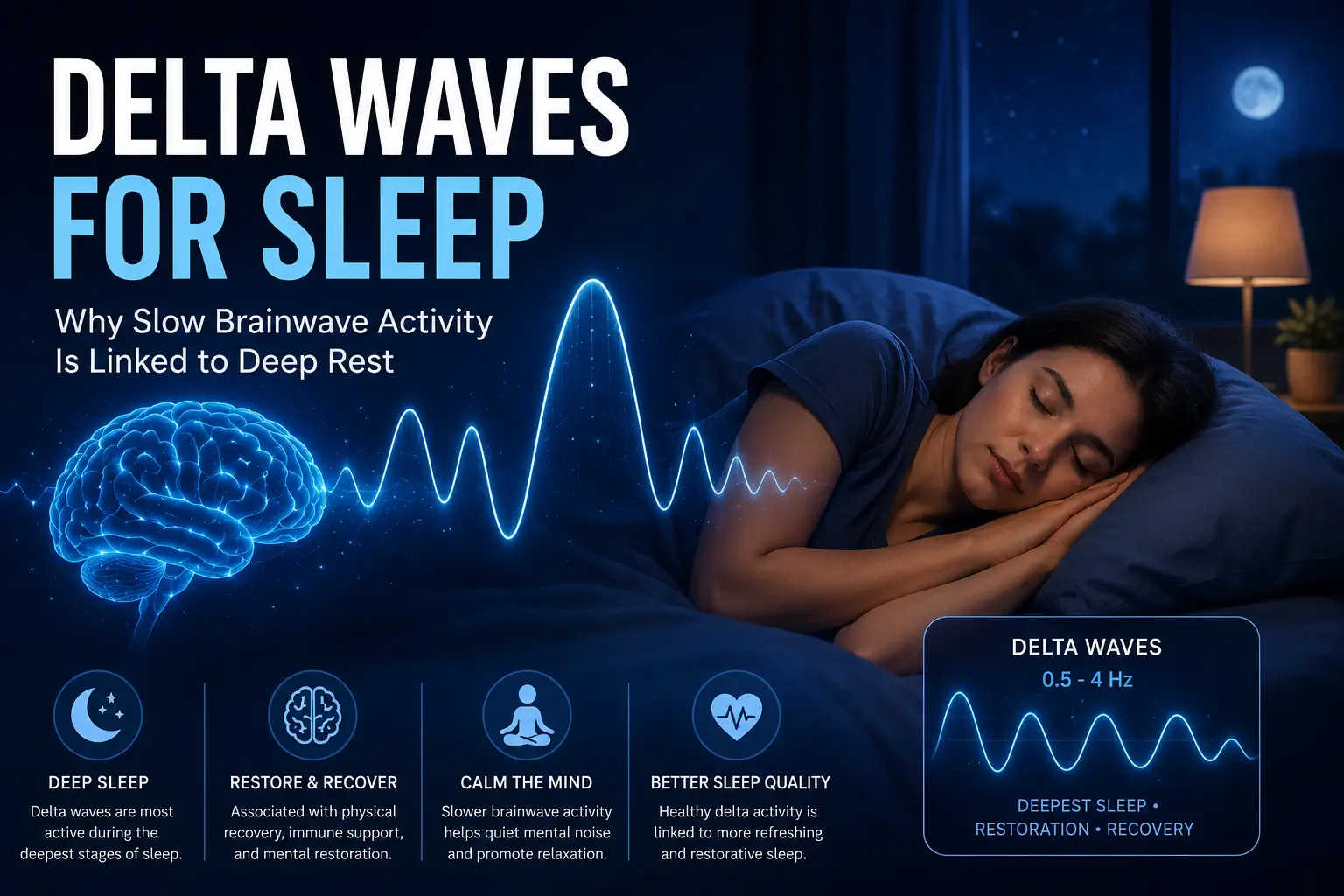
In some situations, the brain struggles to fully transition into calmer states associated with deep rest or focused relaxation.
To better understand how different mental states relate to brain activity, read our guide to the different types of brain waves and how they affect focus, relaxation, and sleep.
This is one reason many individuals explore:
- mindfulness routines,
- quiet work environments,
- digital boundaries,
- meditation practices,
- deep work sessions,
- and calming audio environments.
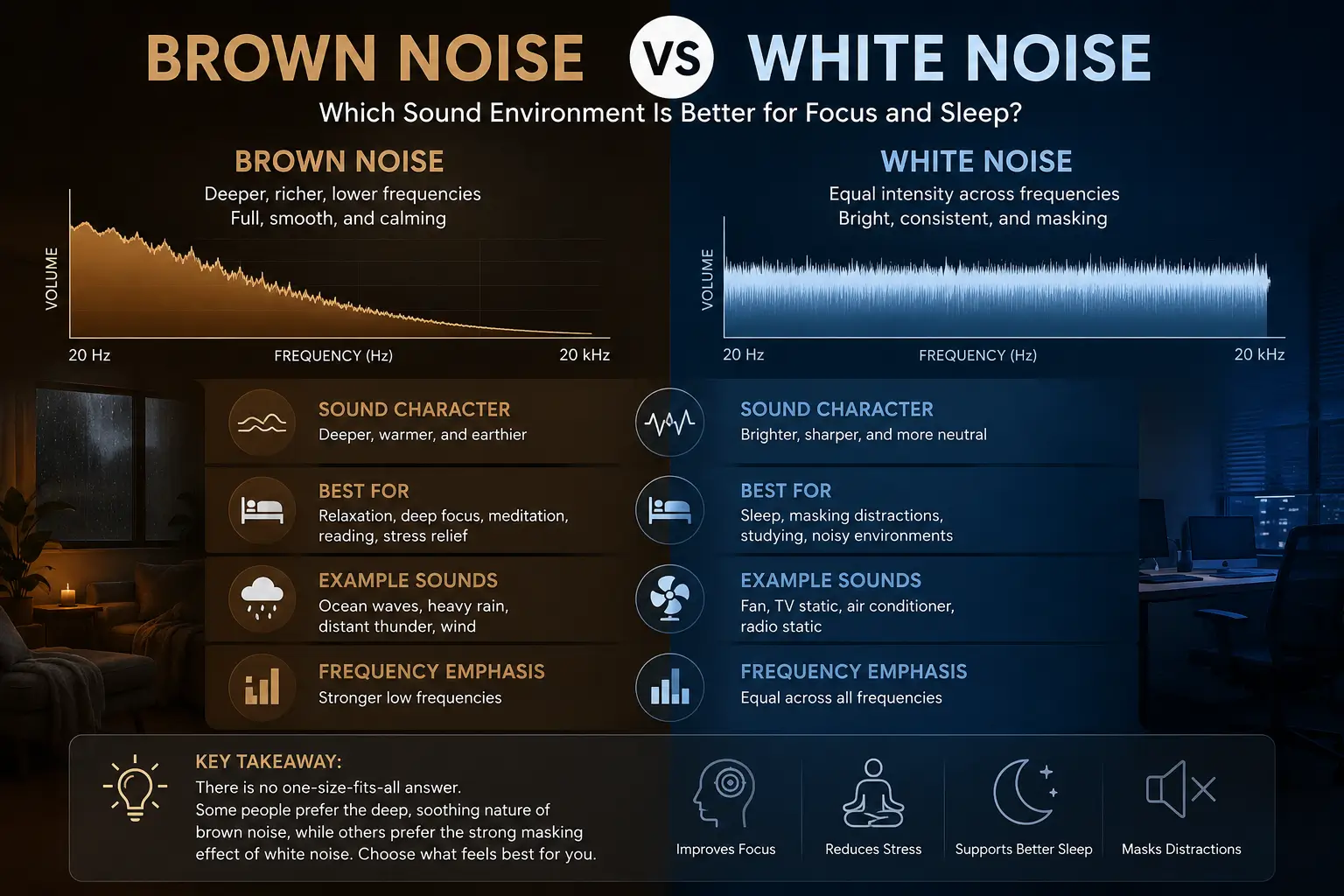
🎧 Why Calming Audio Feels Helpful to Some People
Sound strongly influences emotional atmosphere and attention.
Many individuals use ambient soundscapes, slow instrumental music, nature sounds, or binaural beat environments to reduce feelings of mental overstimulation.
This does not necessarily mean sound frequencies create “mind control” effects or instantly solve stress.
However, slower audio pacing may help some people temporarily shift into calmer mental conditions.
Some listeners explore neuroacoustic relaxation environments designed to create immersive focus and relaxation experiences without relying on exaggerated mystical claims.
For a broader explanation of sound-based mental states, read our guide to brainwave entrainment audio for focus and relaxation.
📵 Signs You May Be Mentally Overstimulated
Common signs may include:
- difficulty focusing for long periods,
- constant mental restlessness,
- feeling emotionally drained,
- difficulty relaxing without stimulation,
- frequent scrolling without purpose,
- poor sleep quality,
- mental exhaustion after social media use,
- or feeling overwhelmed by noise and multitasking.
These experiences are becoming increasingly common in high-input digital environments.
🌿 Practical Ways to Reduce Overstimulation
Reducing overstimulation usually involves improving environmental balance rather than eliminating technology entirely.
Helpful habits may include:
- reducing unnecessary notifications,
- taking breaks from rapid content consumption,
- creating quieter work environments,
- using focused deep work sessions,
- improving sleep consistency,
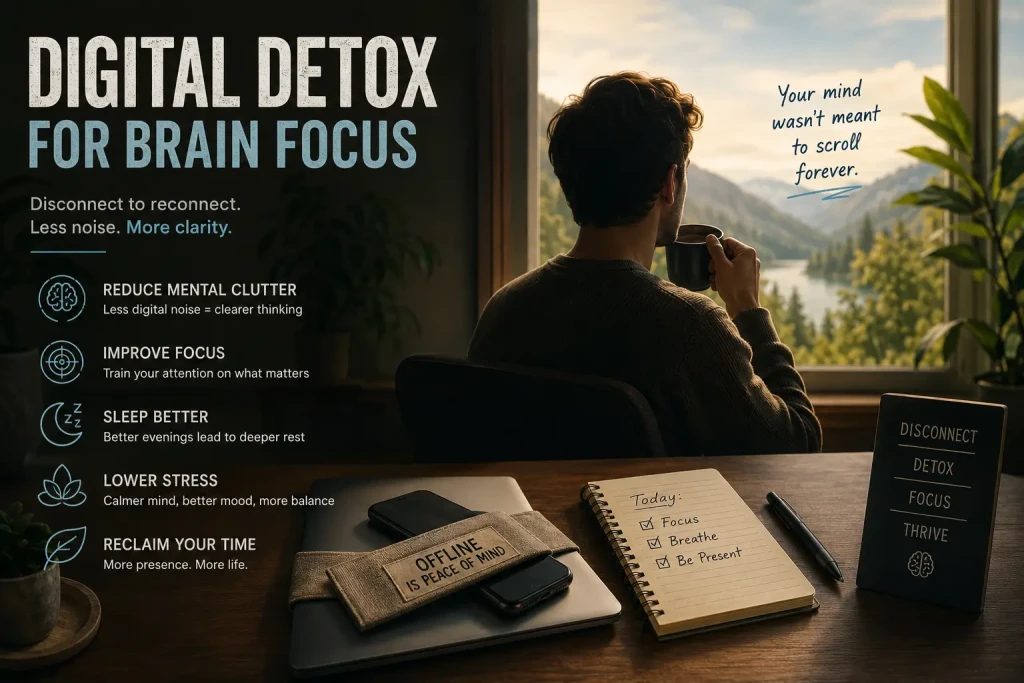
- spending time away from screens,
- and creating calmer evening routines.
Many individuals also find that structured audio environments can make relaxation and concentration feel easier during stressful periods.
For concentration-focused listening strategies, read our guide to binaural beats for focus and concentration.
🧩 Final Thoughts
Modern life places extraordinary demands on human attention.
Although overstimulation is sometimes discussed in exaggerated ways online, the underlying experience of cognitive overload is very real for many individuals.
The goal is not to completely escape technology or stimulation.
Instead, healthier routines often involve learning how to create better balance between focus, recovery, stimulation, and mental quiet.
Small environmental changes, calmer routines, and intentional attention habits may help modern brains feel less overwhelmed over time.
Related Articles
Stay Informed With the Latest & Most Important News
Previous Post
Next Post