
Now Reading: Gamma Brain Waves and Cognitive Performance
-
01
Gamma Brain Waves and Cognitive Performance
Gamma Brain Waves and Cognitive Performance
🧠 What Are Gamma Brain Waves?
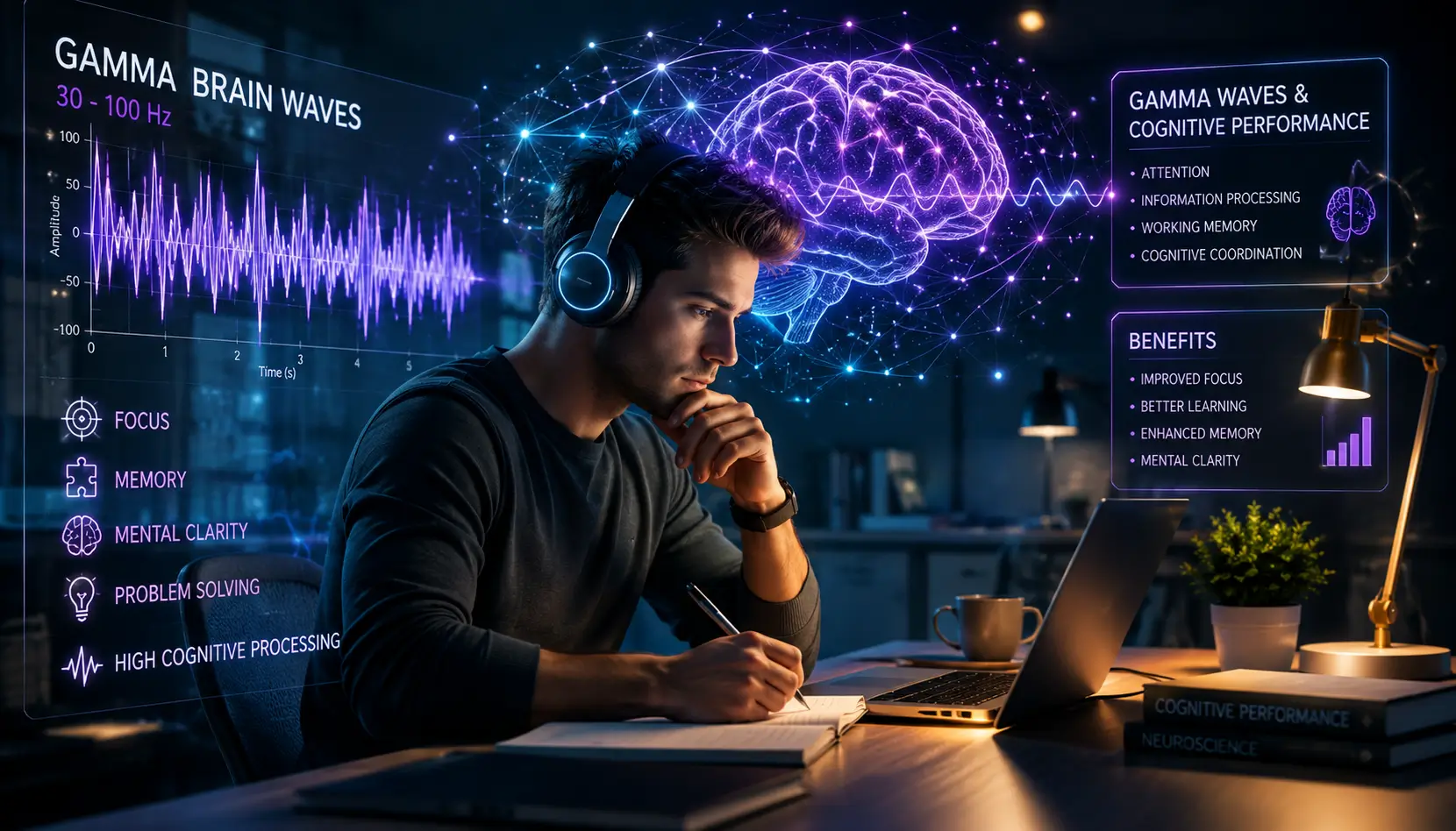
Gamma brain waves are among the fastest measurable brainwave frequencies associated with human cognitive activity.
They are commonly linked to:
- Attention
- Memory processing
- Mental clarity
- Problem-solving
- Information integration
- High-focus states
Compared to slower brainwave states such as delta or theta activity, gamma waves are typically associated with intense mental processing and active awareness.
Interest in gamma activity has increased significantly in neuroscience discussions surrounding focus, learning, and cognitive performance.
You can also explore:
Brainwave States and Mental Performance
⚡ Understanding Gamma Frequency Activity
Gamma brainwave activity generally falls above 30 Hz, although exact ranges can vary depending on the study.
One of the most commonly discussed frequencies is 40 Hz gamma activity, which has appeared in research connected to:
- Attention
- Perception
- Sensory processing
- Working memory
- Cognitive coordination
Unlike slower brainwave patterns associated with relaxation or sleep, gamma activity is usually linked to active mental engagement.
Related reading:
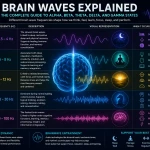
Gamma Brain Waves Explained
🎯 Gamma Waves and Focus
One reason gamma brain waves attract attention is their possible connection to concentration and mental clarity.
Some researchers believe gamma synchronization may help different regions of the brain process information together more efficiently.
This is one reason gamma activity is often discussed in conversations about:
- Deep focus
- Complex learning
- Creative thinking
- Fast information processing
- Intense concentration
Many people interested in cognitive audio environments experiment with gamma-focused sound sessions during studying, writing, or analytical work.
🎧 Can Audio Influence Gamma Activity?
Some brainwave audio environments are designed around rhythmic stimulation patterns associated with gamma frequencies.
These may include:
- Binaural beats
- Isochronic tones
- Layered pulse audio
- Structured focus soundscapes
The idea behind these audio systems is connected to brainwave entrainment — a concept suggesting the brain may respond to repetitive auditory stimulation.
However, research in this area is still developing, and experiences can vary significantly from person to person.
Related guide:
Brainwave Entrainment Explained
📚 Gamma Waves and Learning
Some studies suggest gamma activity may play a role in:
- Information retention
- Attention control
- Pattern recognition
- Memory integration
- Sensory awareness
This is one reason gamma frequencies are frequently discussed in productivity and learning communities.
Still, it is important to avoid exaggerated claims.
Listening to audio alone is unlikely to dramatically increase intelligence or instantly improve cognitive performance.
Healthy sleep, repetition, stress management, and consistent learning habits remain far more important.
🧘 Gamma Activity and Meditation
Interestingly, some meditation research has also explored gamma synchronization.
Certain experienced meditators have shown elevated gamma activity during deep meditation practices.
This has led to growing interest in how focused attention and mindfulness practices may interact with cognitive processing.
Related article:
Brain Wave Meditation Techniques
🔊 Gamma Audio vs Relaxation Audio
Gamma-focused sound environments are usually very different from relaxation-oriented audio.
For example:
- Delta audio is commonly associated with sleep
- Theta audio is linked to meditation and creativity
- Alpha environments are often used for calm focus
- Gamma stimulation is generally associated with alert mental engagement
This is why some listeners use different audio environments depending on the task.
More here:
Which Brain Waves Help You Sleep?
🚀 Why Interest in Gamma Audio Continues to Grow
As interest in cognitive performance and focus environments increases, many people are exploring structured sound systems designed around concentration support.
Some modern audio programs combine ambient soundscapes with rhythmic stimulation patterns inspired by brainwave entrainment concepts.
One example is:
The Genius Wave audio program, which incorporates layered audio environments inspired by multiple brainwave states.
📌 Final Thoughts
Gamma brain waves are often associated with attention, mental processing, and cognitive performance.
Although research into gamma stimulation and audio entrainment is still evolving, interest in structured focus environments continues to grow.
The most important thing is maintaining realistic expectations.
Sound environments may support focus and concentration for some listeners, but they should not replace healthy routines, sleep quality, learning consistency, or stress management.
For many people, gamma-focused audio works best as part of a broader productivity or mindfulness routine.
Related Articles
Related Posts
Stay Informed With the Latest & Most Important News
Previous Post
Next Post