
Now Reading: The Link Between Sleep and Mental Performance: Why Rest Matters More Than You Think
-
01
The Link Between Sleep and Mental Performance: Why Rest Matters More Than You Think
The Link Between Sleep and Mental Performance: Why Rest Matters More Than You Think

Modern culture often glorifies exhaustion.
Late nights, constant productivity, and endless stimulation are frequently treated as signs of ambition.
But neuroscience suggests the opposite may be true.
Without proper sleep, the brain struggles to function efficiently.
Memory becomes weaker.
Focus becomes fragmented.
Emotional regulation becomes more difficult.
And mental performance gradually declines over time.
Sleep is not simply “downtime.”
It is one of the most important biological processes supporting cognitive function and long-term brain health.
🧠 What Happens Inside the Brain During Sleep?
While you sleep, the brain remains extremely active.
Researchers continue studying how sleep supports processes connected to:
- memory consolidation,
- emotional regulation,
- learning retention,
- attention stability,
- and neural recovery.
Different sleep stages appear to support different functions.
For example:
- Deep sleep is associated with physical restoration and memory processing
- REM sleep is strongly connected to dreaming, emotional integration, and creativity
- Consistent sleep cycles help regulate cognitive performance throughout the day
Scientists also believe sleep plays a role in helping the brain clear metabolic waste products that accumulate during waking hours.
Further reading:
https://www.sleepfoundation.org/how-sleep-works/why-do-we-need-sleep
https://www.nih.gov/news-events/nih-research-matters/brain-may-clean-waste-during-sleep
⚡ Why Poor Sleep Impacts Focus So Quickly
One of the first things affected by sleep deprivation is:
attention control.
Even moderate sleep loss may contribute to:
- reduced concentration,
- slower reaction time,
- emotional irritability,
- mental fatigue,
- and difficulty processing information.
This is partly because the brain relies heavily on recovery cycles to maintain stable cognitive performance.
Modern lifestyles often make this worse through:
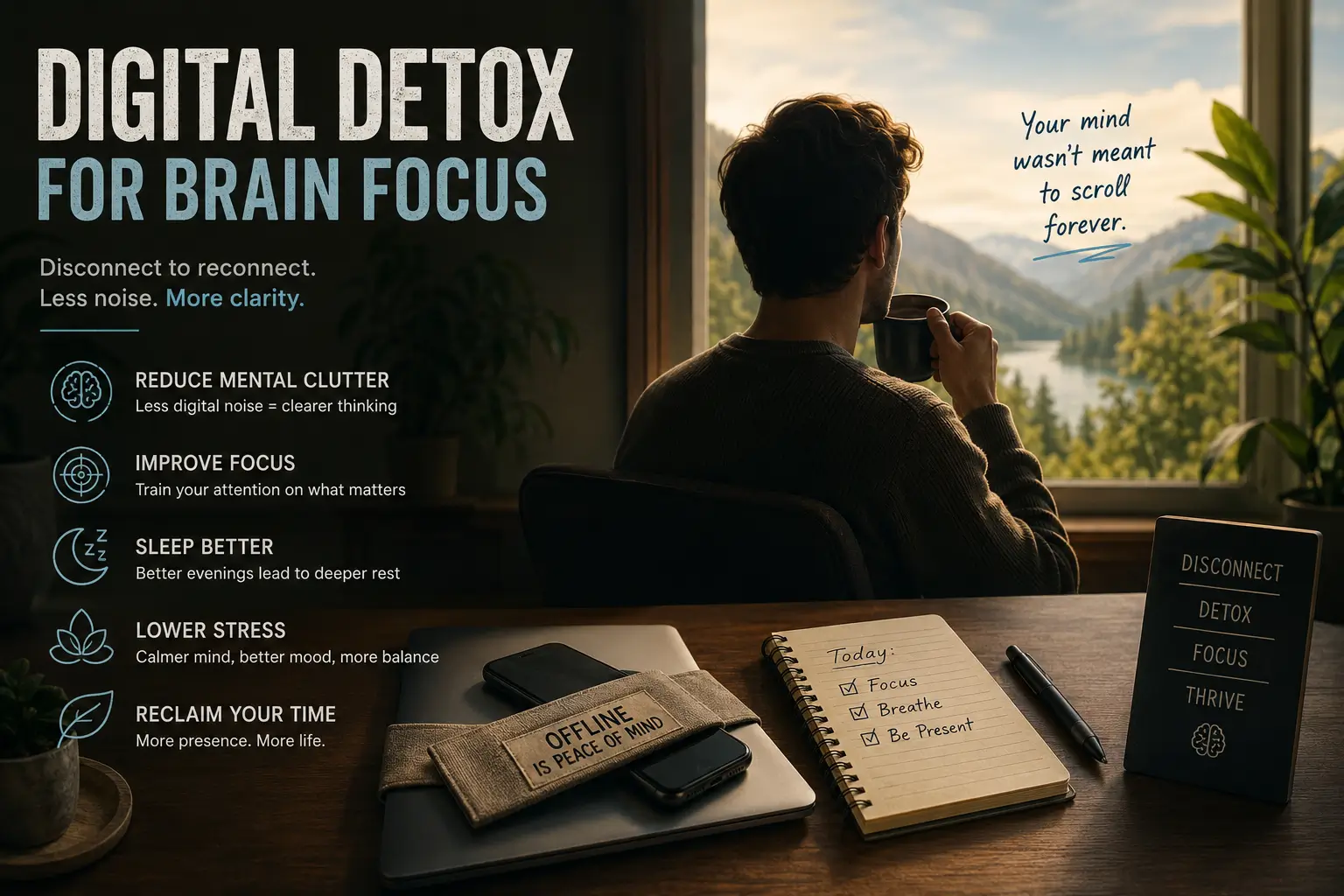
- excessive screen exposure,
- stress,
- irregular schedules,
- late-night stimulation,
- and constant digital interruption.
Over time, chronic sleep disruption can make deep focus increasingly difficult.
🌙 Sleep and Brainwave Activity
The brain naturally shifts through different electrical activity patterns during sleep.
These patterns are often categorized into ranges such as:
- Delta
- Theta
- Alpha
- Beta
Deep sleep is commonly associated with slower Delta activity, while lighter sleep stages involve different transitional brainwave patterns.
This is one reason why many sleep-focused audio systems attempt to create calming sound environments designed to encourage relaxation before bedtime.
Some individuals explore brainwave-oriented relaxation audio as part of nighttime routines intended to reduce mental overstimulation and create calmer sleep environments.
☁️ Why Modern Brains Struggle to “Switch Off”
Human brains were not designed for constant stimulation.
Today, many people spend hours moving between:
- notifications,
- social media,
- bright screens,
- multitasking,
- and high-stress environments.
This continuous input may keep the nervous system in a heightened state of alertness long after the day ends.
As a result, many individuals struggle with:
- racing thoughts,
- shallow sleep,
- mental restlessness,
- and difficulty relaxing before bed.
This is one reason calming nighttime routines have become increasingly important for cognitive recovery.
🔬 Sleep Is More Powerful Than Most “Brain Hacks”
The internet is full of productivity tricks promising better focus and cognitive enhancement.
But foundational biological habits still matter most.
Without proper recovery:
- focus weakens,
- emotional resilience drops,
- learning becomes harder,
- and mental energy declines.
Many people searching for cognitive improvement may benefit more from:
- consistent sleep schedules,
- reduced nighttime stimulation,
- stress management,
- and healthier routines
than from aggressive productivity strategies.
🧩 Why Relaxation Matters for Cognitive Performance
The nervous system performs best when it can alternate between:
- alertness,
- recovery,
- focus,
- and relaxation.
Constant stress can interfere with this balance.
This is why many people incorporate:
- meditation,
- calming music,
- mindfulness,
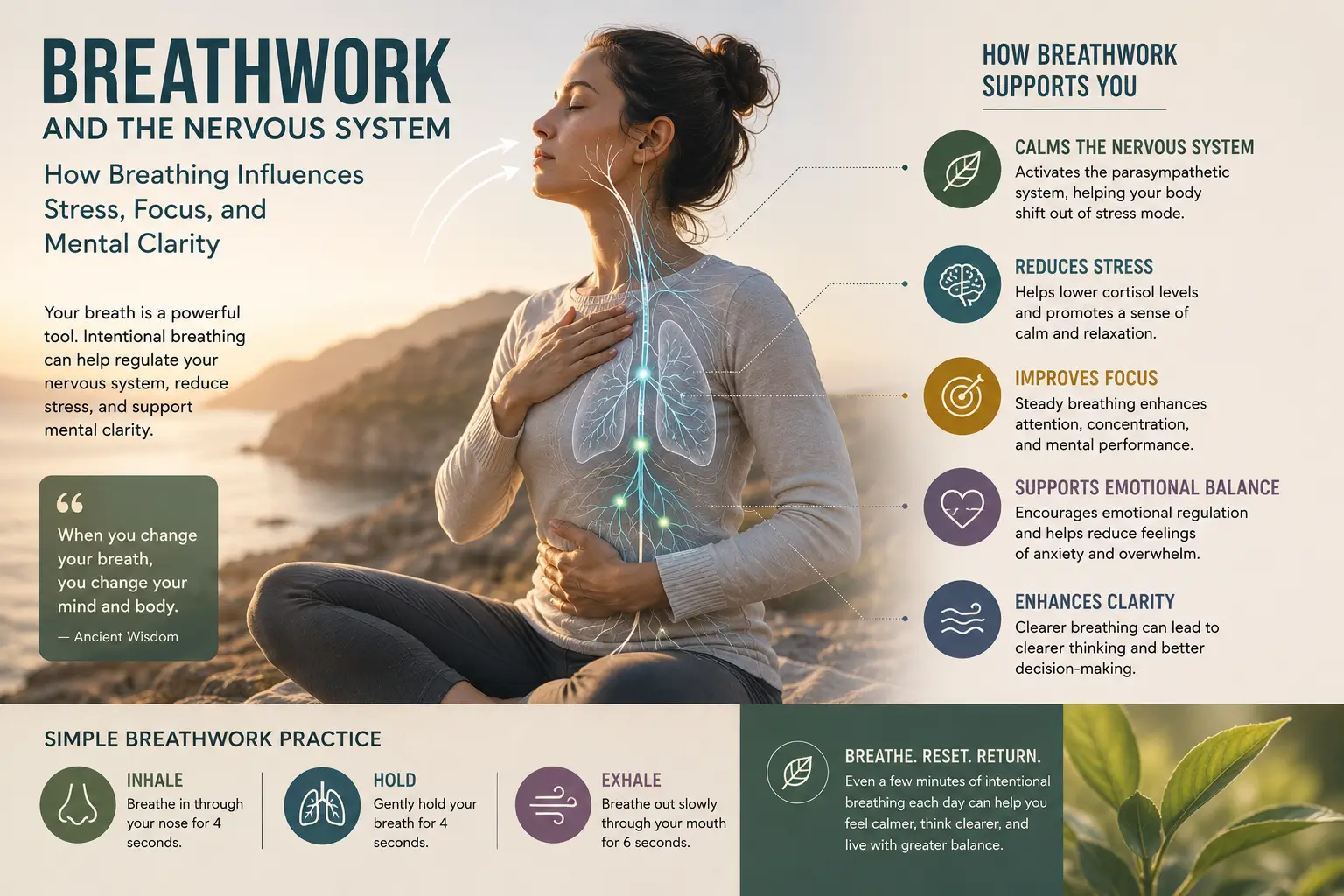
- breathwork,
- or ambient sound environments
into evening routines designed to support mental decompression.
Some listeners also use neuroacoustic sleep audio systems to help create quieter mental environments before sleep.
Final Thoughts
Sleep is one of the most overlooked foundations of mental performance.
Without proper recovery, even the most motivated mind eventually struggles to maintain focus, clarity, and emotional balance.
Modern neuroscience increasingly supports the idea that cognitive health depends heavily on consistent restorative sleep.
For people interested in focus, creativity, emotional resilience, or long-term brain health, improving sleep quality may be one of the most valuable changes they can make.
Related Articles
- Do Binaural Beats Really Work?
- Ultimate Guide to Brainwave Entrainment
- Binaural Beats for Anxiety Relief
- Emotional Healing Frequencies
👉 Related read: Which Waves Are Best for Sleep? Understanding Delta and Theta States for more insights on brainwave focus and mental clarity.
Stay Informed With the Latest & Most Important News
Previous Post
Next Post