
Now Reading: How Sound and Mental Environment Influence Focus and Mood
-
01
How Sound and Mental Environment Influence Focus and Mood
How Sound and Mental Environment Influence Focus and Mood
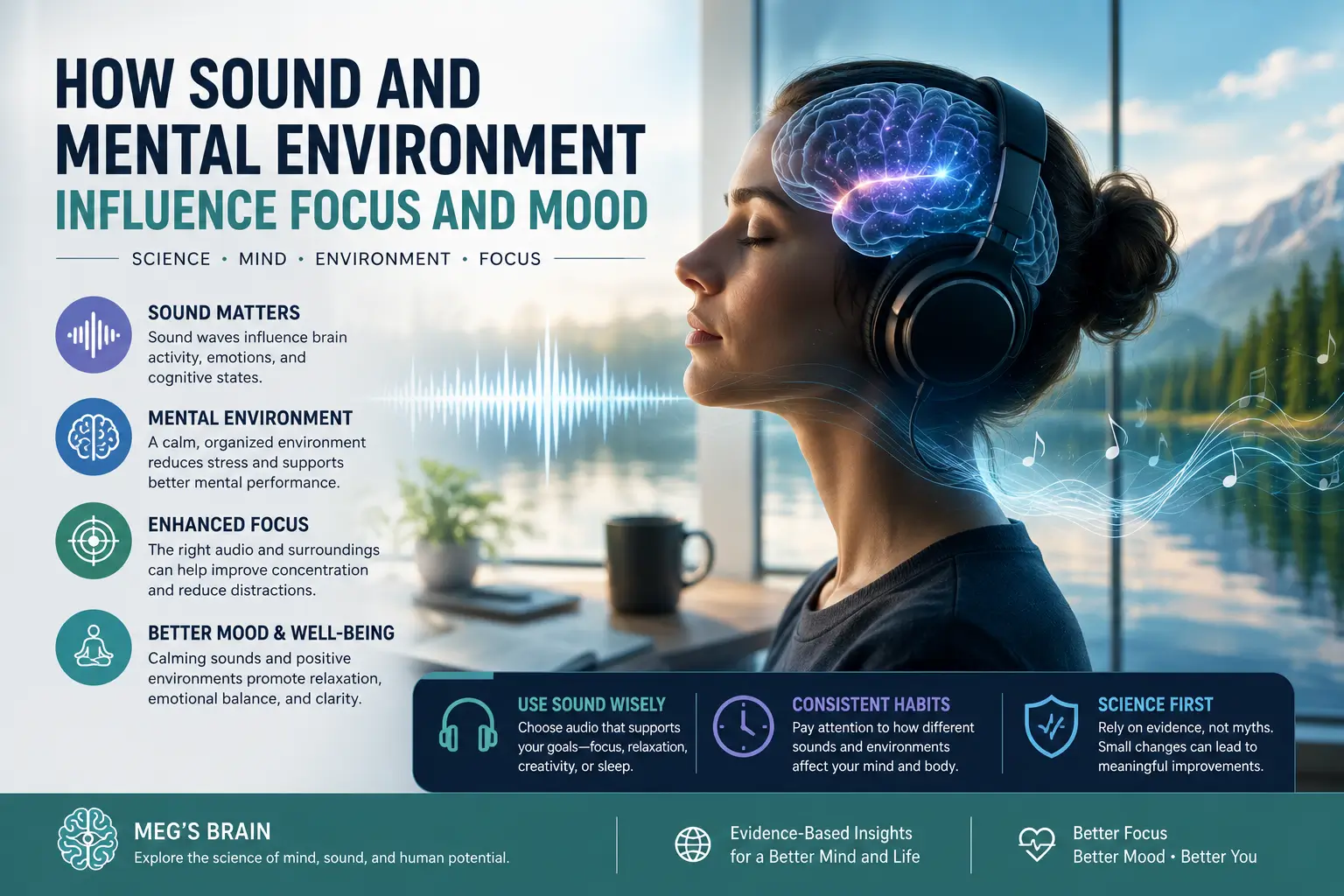
Modern life constantly competes for human attention.
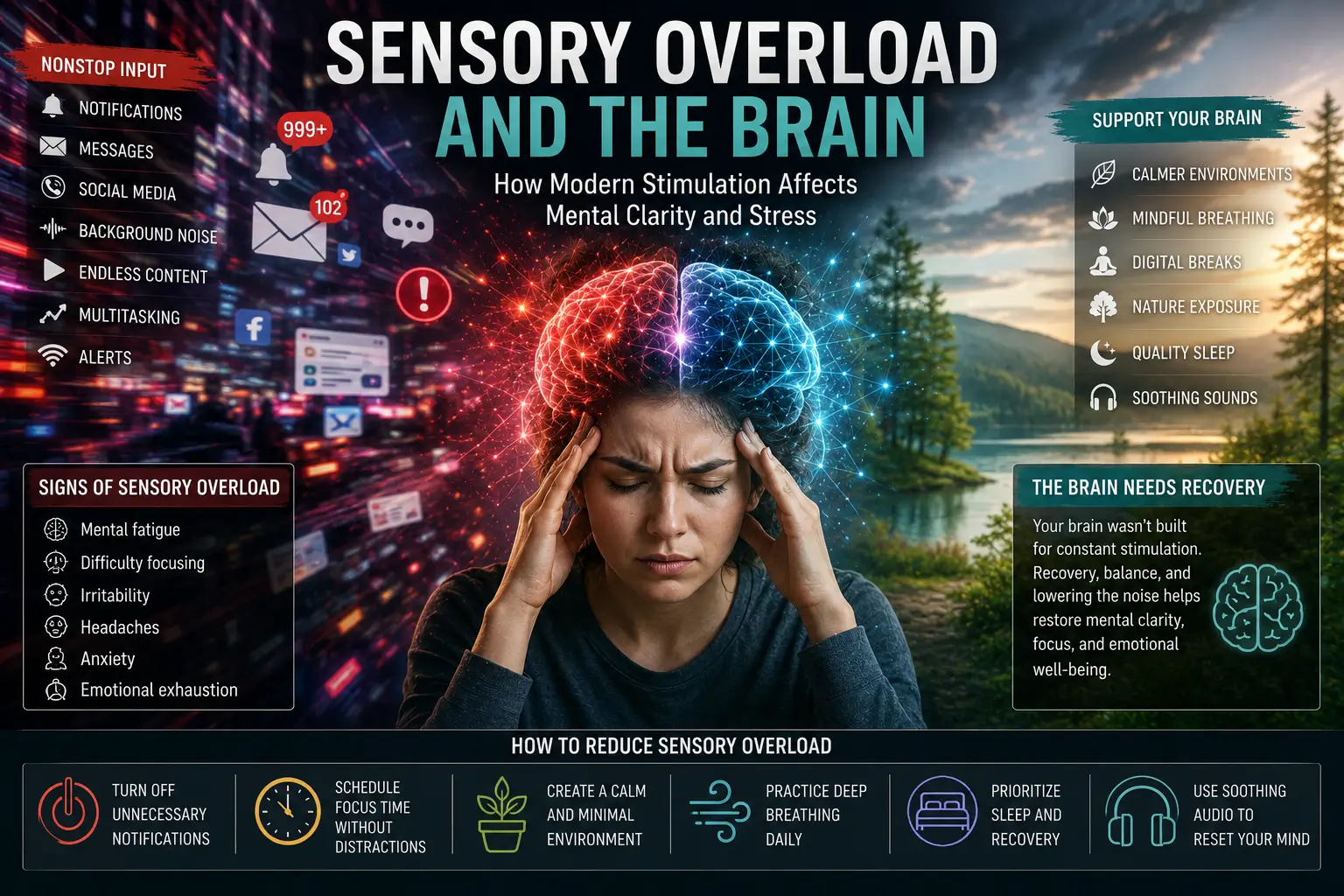
Notifications, multitasking, background noise, and digital overload can all influence:
- concentration,
- emotional balance,
- cognitive clarity,
- and mental fatigue.
As a result, growing numbers of people are exploring how:
- sound,
- sensory atmosphere,
- and environmental stimulation
may affect:
- focus,
- productivity,
- relaxation,
- and mood.
But how much influence can sound really have on the human mind?
And what does neuroscience actually say?
🌊 The Brain Constantly Responds to Environment
The human nervous system continuously processes:
- sound,
- light,
- movement,
- emotional context,
- and sensory stimulation.
This is one reason certain environments feel:
- calming,
- stressful,
- distracting,
- or mentally immersive.
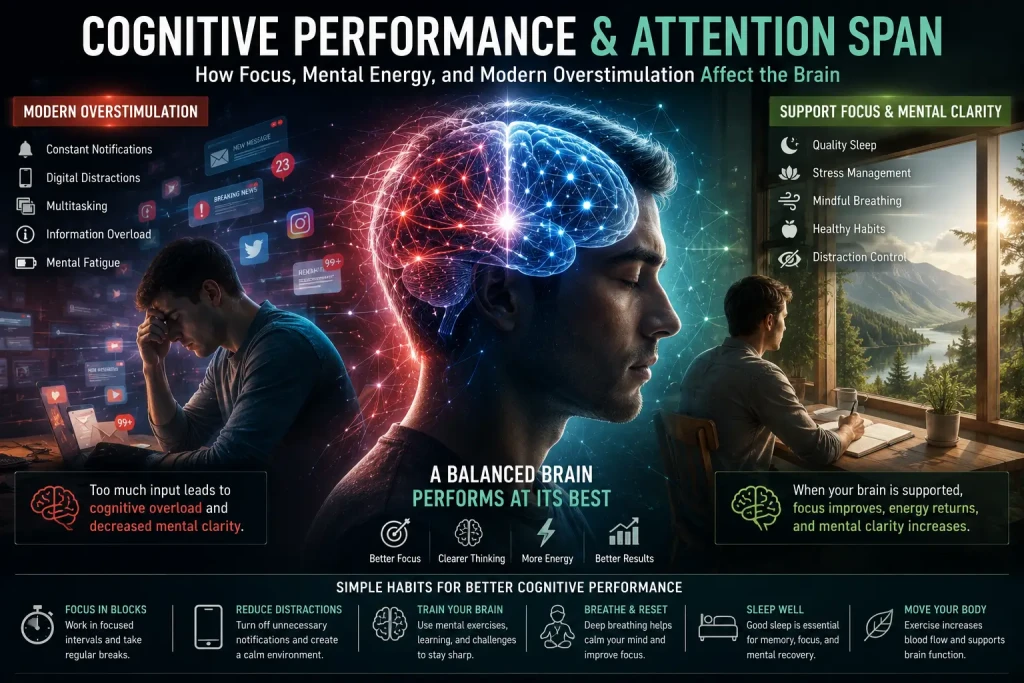
A noisy, chaotic environment may increase feelings of:
- cognitive overload,
- mental fatigue,
- and fragmented attention.
Meanwhile, structured and predictable sensory environments may feel:
- mentally quieter,
- calmer,
- and easier to focus within.

🎵 Why Sound Feels Emotionally Powerful
Sound has always played a role in human experience.
Music, rhythm, repetition, and ambient atmosphere may influence:
- emotional tone,
- stress perception,
- attentional comfort,
- and environmental awareness.
Different types of audio environments are commonly used during:
- studying,
- meditation,
- reading,
- creative work,
- and relaxation routines.
Some people prefer:
- instrumental music,
- ambient soundscapes,
- white noise,
- binaural beats,
- or rhythmic audio environments.
🔬 What Science Says About Sound and Cognition
Research suggests sound environments may influence:
- mood,
- relaxation,
- stress response,
- and attentional states under certain conditions.
However, exaggerated online claims involving:
- “instant brain transformation,”
- “mind unlocking,”
- or guaranteed mental enhancement
often go beyond current scientific evidence.
Further reading:
https://www.frontiersin.org/articles/10.3389/fnhum.2019.00425/full
https://www.ncbi.nlm.nih.gov/pmc/articles/PMC10198548/
The healthiest perspective is viewing sound environments as:
- supportive tools,
- sensory experiences,
- or part of broader focus and relaxation routines.
⚡ Focus Is Deeply Connected to Environment
Mental clarity depends on many broader factors including:
- sleep quality,
- emotional state,
- stress levels,
- sensory overload,
- and environmental distraction.
No single audio track can instantly create perfect focus.
However, structured environments may help some individuals reduce:
- distraction,
- cognitive fragmentation,
- and overstimulation.
This is one reason many people intentionally create:
- quiet workspaces,
- calmer sensory environments,
- and predictable listening routines.
☁️ Why Repetitive Audio Can Feel Immersive
The brain naturally reacts to:
- rhythm,
- repetition,
- timing,
- and sensory consistency.
Predictable sound environments may reduce the mental effort required to process:
- sudden interruptions,
- environmental noise,
- and chaotic stimulation.
For some listeners, repetitive audio creates a stronger sense of:
- immersion,
- calm attention,
- and cognitive pacing.
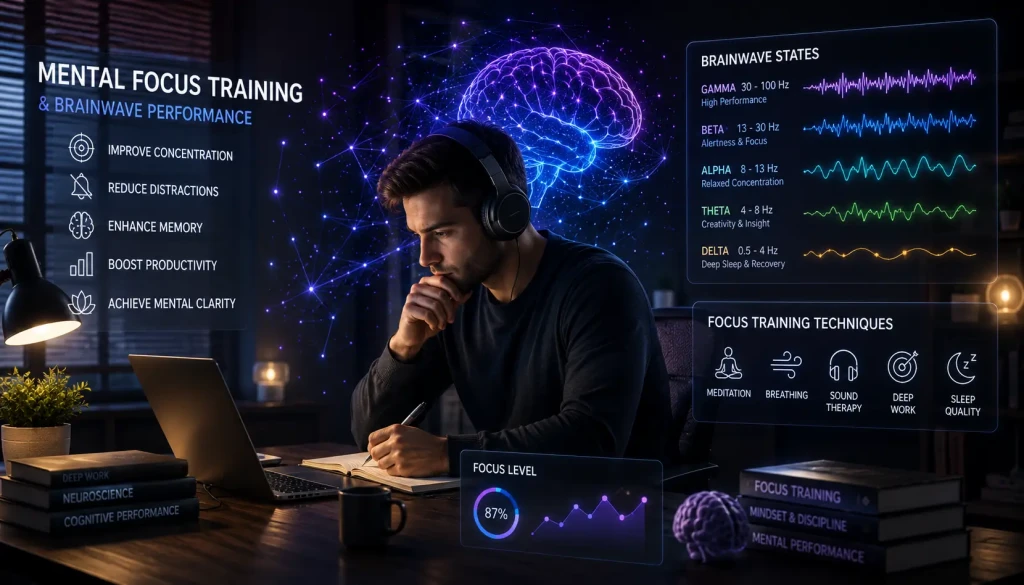
🎧 Brainwave Audio and Relaxation Environments
Some listeners explore:
- binaural beats,
- isochronic tones,
- neuroacoustic soundscapes,
- and ambient frequency audio
as part of:
- mindfulness,
- focus routines,
- relaxation habits,
- or sleep preparation.
Some people also experiment with neuroacoustic audio systems designed to support calmer attention and reduced sensory overload.
At the same time, dramatic claims involving:
- hidden powers,
- consciousness unlocking,
- or guaranteed transformation
should be approached carefully.
🌙 Sound, Mood, and Relaxation
Calming audio environments are often used before sleep or during periods of stress because repetitive sound may help reduce feelings of:
- mental clutter,
- racing thoughts,
- and environmental distraction.
You may also enjoy: Binaural Beats for Sleep and Audio Environments for Focus and Deep Work for more discussion about sound and cognitive environment.
⚠️ Common Myths About Sound and Mental Performance
Myth:
“Specific sounds instantly transform the brain.”
Reality:
Mental performance depends on many biological and psychological factors.
Myth:
“One sound environment works for everyone.”
Reality:
People respond differently to music, rhythm, and sensory stimulation.
Myth:
“Brainwave audio creates supernatural cognitive abilities.”
Reality:
Current scientific evidence does not support extreme transformation claims.
🌍 Why Interest in Sound and Cognition Keeps Growing
Modern environments expose people to:
- constant digital stimulation,
- multitasking,
- fragmented attention,
- and cognitive fatigue.
As a result, many individuals actively search for:
- calmer environments,
- healthier focus habits,
- improved concentration,
- and emotional balance.
Structured sound environments may simply help some people feel:
- more grounded,
- less overstimulated,
- and mentally calmer.
Final Thoughts
Sound and sensory environment remain fascinating areas of neuroscience and human experience.
Research suggests structured audio environments may influence:
- attention,
- relaxation,
- mood,
- and cognitive comfort under certain conditions.
At the same time, exaggerated “mind transformation” claims should be approached carefully.
The healthiest perspective is viewing sound environments as supportive tools rather than magical shortcuts to mental performance.
Related Articles
Related Posts

Stay Informed With the Latest & Most Important News
Previous Post
Next Post