
Now Reading: Best Frequencies for Studying: Science-Backed Focus Boosters
-
01
Best Frequencies for Studying: Science-Backed Focus Boosters
Best Frequencies for Studying: Science-Backed Focus Boosters
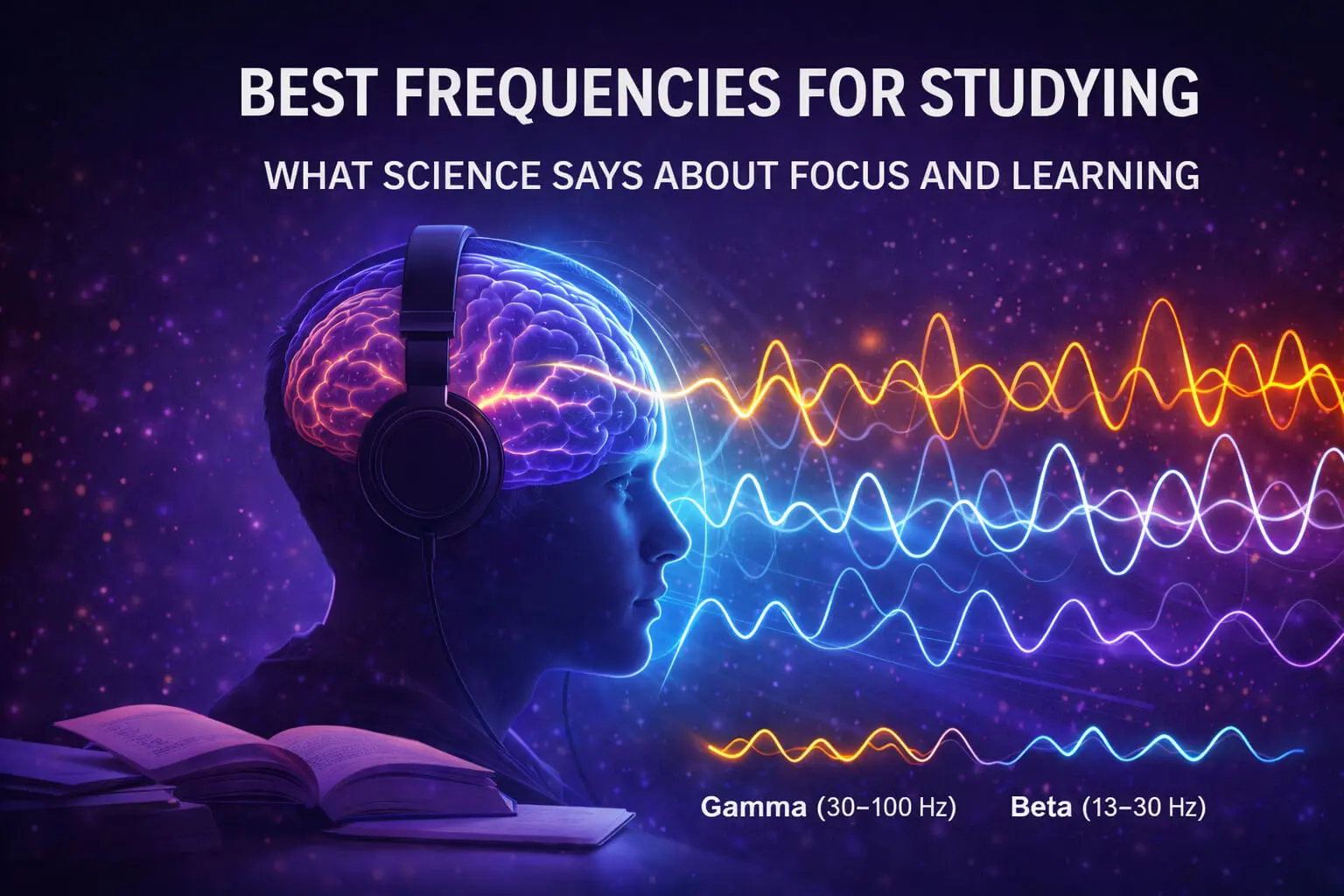
Studying for long periods is not just about motivation — it’s about mental endurance, memory retention, and cognitive stability.
Many students struggle with:
- mental fatigue during study sessions,
- difficulty retaining information,
- wandering attention,
- and exam-related stress.
This is one reason brainwave audio has become increasingly popular among students and learners. Certain sound frequencies may help support calmer focus, improved learning sessions, and reduced mental overload while studying.
Rather than forcing intense concentration, the goal is often to create a mental state that supports sustained learning and memory formation more naturally.
🧠 Why Students Lose Focus During Long Study Sessions
The brain naturally loses efficiency during extended periods of information intake.
Mental fatigue, overstimulation, stress, and poor sleep often reduce memory retention and concentration quality during study sessions.
This is why many students search for tools that may help create a calmer learning environment — including ambient sound, focus music, and brainwave entrainment audio.
Unlike highly stimulating productivity methods, calmer frequency-based sessions are often designed to reduce cognitive overload instead of increasing pressure.
🔬 How Brainwave Frequencies May Influence Learning
Brainwave entrainment works by exposing the brain to rhythmic auditory stimulation.
The brain naturally responds to repetitive sensory patterns, a process often called the:
frequency-following response.
Different frequency ranges are associated with different mental states:
- relaxation,
- concentration,
- memory association,
- and cognitive alertness.
Although research is still evolving, some EEG-based studies suggest rhythmic audio stimulation may temporarily influence measurable brainwave activity under certain conditions.
The goal is not to “hack intelligence,” but to create conditions that may support more stable attention and calmer learning states.
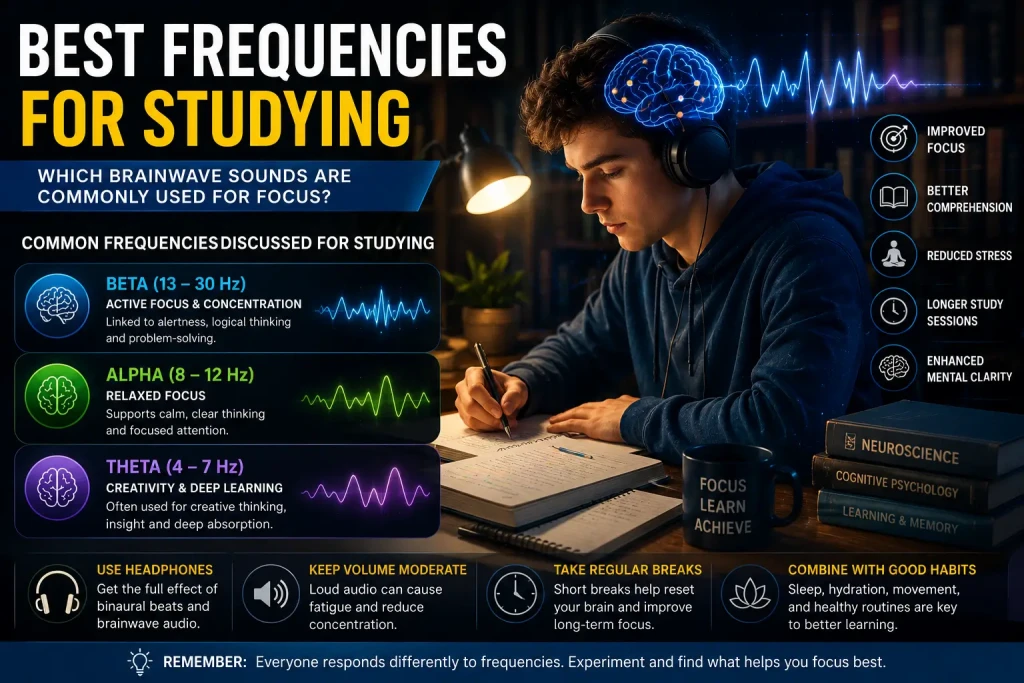
📖 Best Brainwave Ranges for Studying & Memory Retention
Different students respond differently to various frequencies. However, several brainwave ranges are commonly associated with learning and focus.
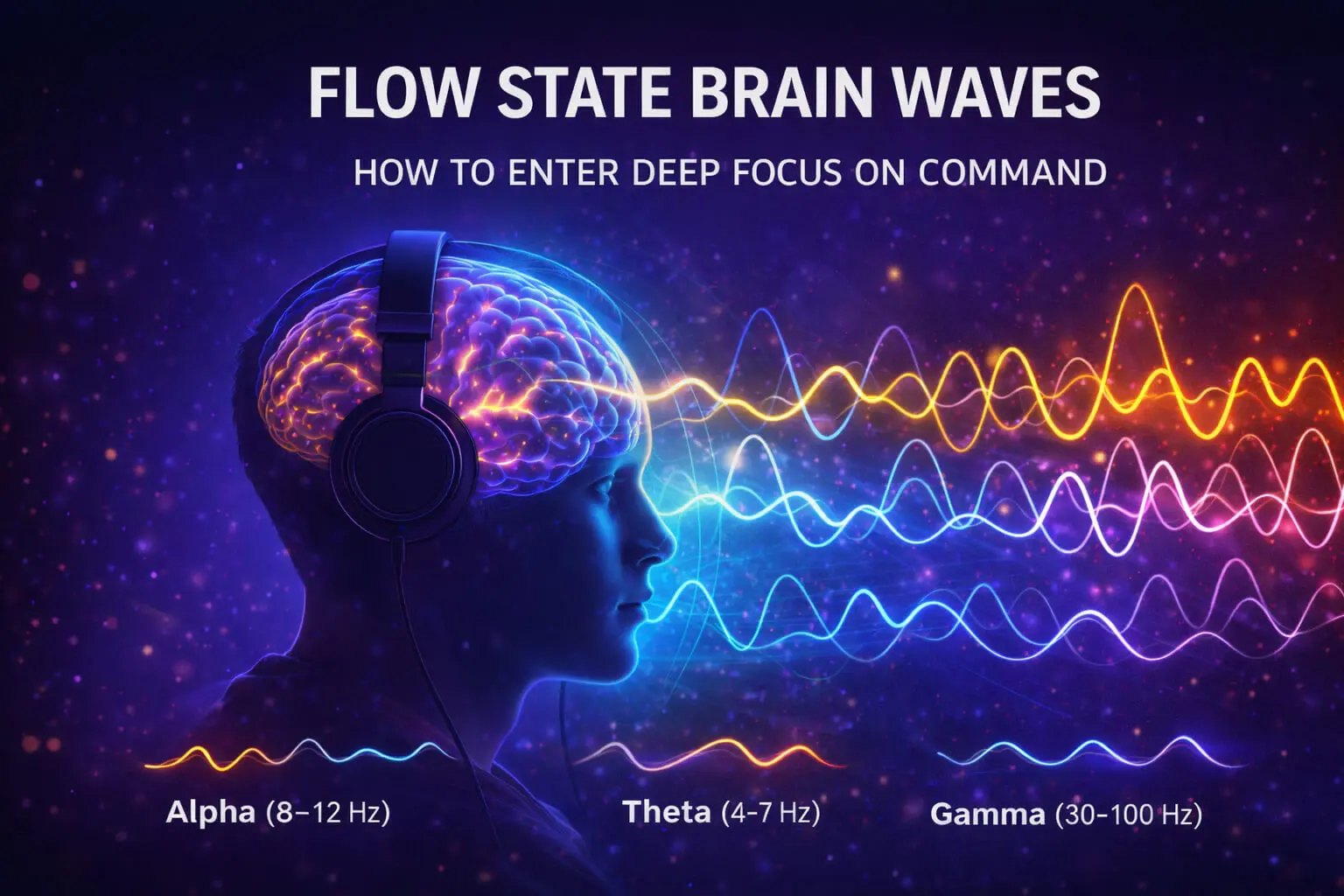
🌊 Alpha Waves (8–12 Hz)
Alpha waves are often linked to:
- relaxed concentration,
- information absorption,
- reduced stress,
- and calm mental clarity.
Many students prefer Alpha-focused sessions during:
- reading,
- note review,
- language learning,
- and long study sessions.
Alpha states may help reduce mental noise without causing drowsiness.
Learn more in our guide on Alpha Waves for Relaxation.
🧠 Theta Waves (4–7 Hz)
Theta activity is often associated with:
- visualization,
- memory integration,
- creativity,
- and subconscious association.
Some learners use Theta sessions during:
- brainstorming,
- creative writing,
- or conceptual learning.
Because Theta is deeply calming, some people find it less effective for highly analytical studying.
⚡ Low Beta Waves (13–16 Hz)
Low-Beta frequencies are commonly associated with:
- active thinking,
- problem solving,
- and alert concentration.
Students sometimes prefer low-Beta stimulation during:
- mathematics,
- technical reading,
- coding,
- or exam preparation.
However, excessive Beta stimulation may feel mentally tiring for some listeners.
🎧 Why Some Study Audio Feels Helpful — And Some Doesn’t
Not all “focus music” is designed equally.
Many generic online tracks contain:
- inconsistent frequencies,
- distracting transitions,
- poor sound layering,
- or overly aggressive stimulation.
This may explain why some study playlists feel calming while others become mentally exhausting after only a short time.
Professionally structured neuroacoustic sessions often use:
- smoother layering,
- gradual transitions,
- and more balanced sound design.
👉 Some students experiment with Genius Wave during study sessions because the layered frequencies feel less distracting than many generic focus playlists online.
📝 Best Situations for Study Frequencies
Students often report the best results when using brainwave audio during:
- quiet reading sessions,
- revision periods,
- memorization work,
- language learning,
- and low-distraction environments.
Trying to multitask heavily while using frequency-based audio often reduces effectiveness.
Many learners describe the experience not as “instant focus,” but as:
reduced mental resistance to studying.
That difference matters.
⚠️ Common Mistakes Students Make
One of the biggest misconceptions is expecting dramatic effects immediately.
Brainwave entrainment is generally more subtle than internet marketing suggests.
Common mistakes include:
- listening at excessive volume,
- constantly switching frequencies,
- expecting instant results,
- or studying in highly distracting environments.
Consistency usually matters more than intensity.
🧩 How To Use Study Frequencies More Effectively
If you want to experiment with study-focused frequencies more realistically:
- Use stereo headphones
- Keep volume moderate
- Start with Alpha sessions first
- Study in distraction-free environments
- Use sessions for 20–40 minutes
- Stay hydrated and rested
The purpose is to support stable learning conditions — not force unnatural concentration.
🔍 Do Study Frequencies Actually Improve Learning?
For some people:
they may help support concentration and learning consistency.
However, frequencies alone cannot replace:
- sleep,
- repetition,
- healthy study habits,
- and active learning techniques.
The strongest results usually happen when brainwave audio becomes part of a structured learning routine instead of a “magic shortcut.”
Final Thoughts
The best studying environment is rarely the most intense one.
For many students, learning improves when the brain feels:
- calmer,
- less overstimulated,
- and mentally organized.
That’s why certain frequencies may feel helpful during long study sessions.
Not because they instantly increase intelligence — but because they may reduce the mental friction that makes studying exhausting in the first place.
Related Articles
- Ultimate Guide to Brainwave Entrainment
- Flow State Brain Waves
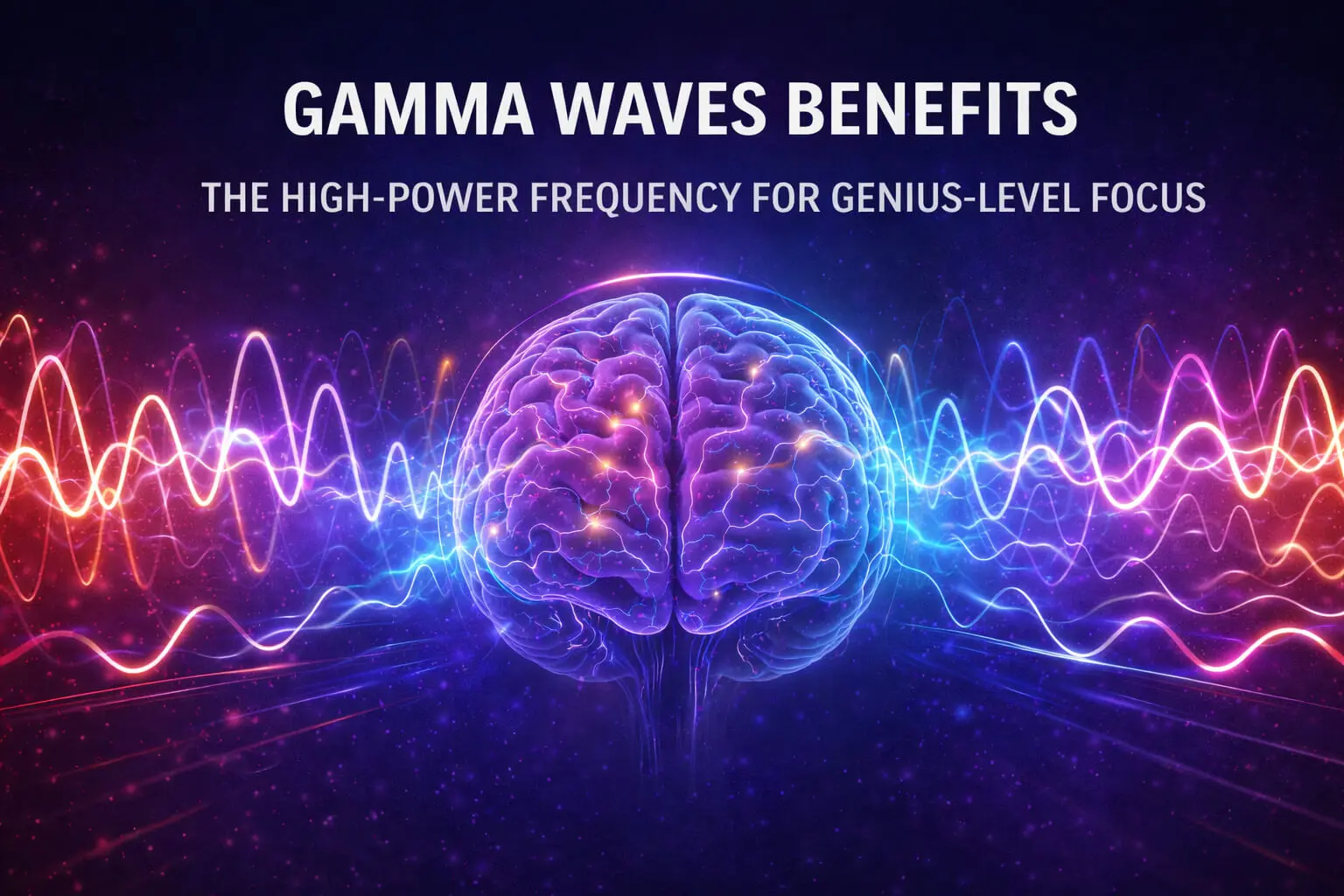
- Gamma Waves Benefits
- Which Waves Help You Sleep?
👉 Related read: Alpha Brain Wave Frequency: The Gateway to Calm Focus and Creativity for more insights on brainwave focus and mental clarity.
Stay Informed With the Latest & Most Important News
Previous Post
Next Post