
Now Reading: Can Sound Frequencies Really Influence Well-Being?
-
01
Can Sound Frequencies Really Influence Well-Being?
Can Sound Frequencies Really Influence Well-Being?
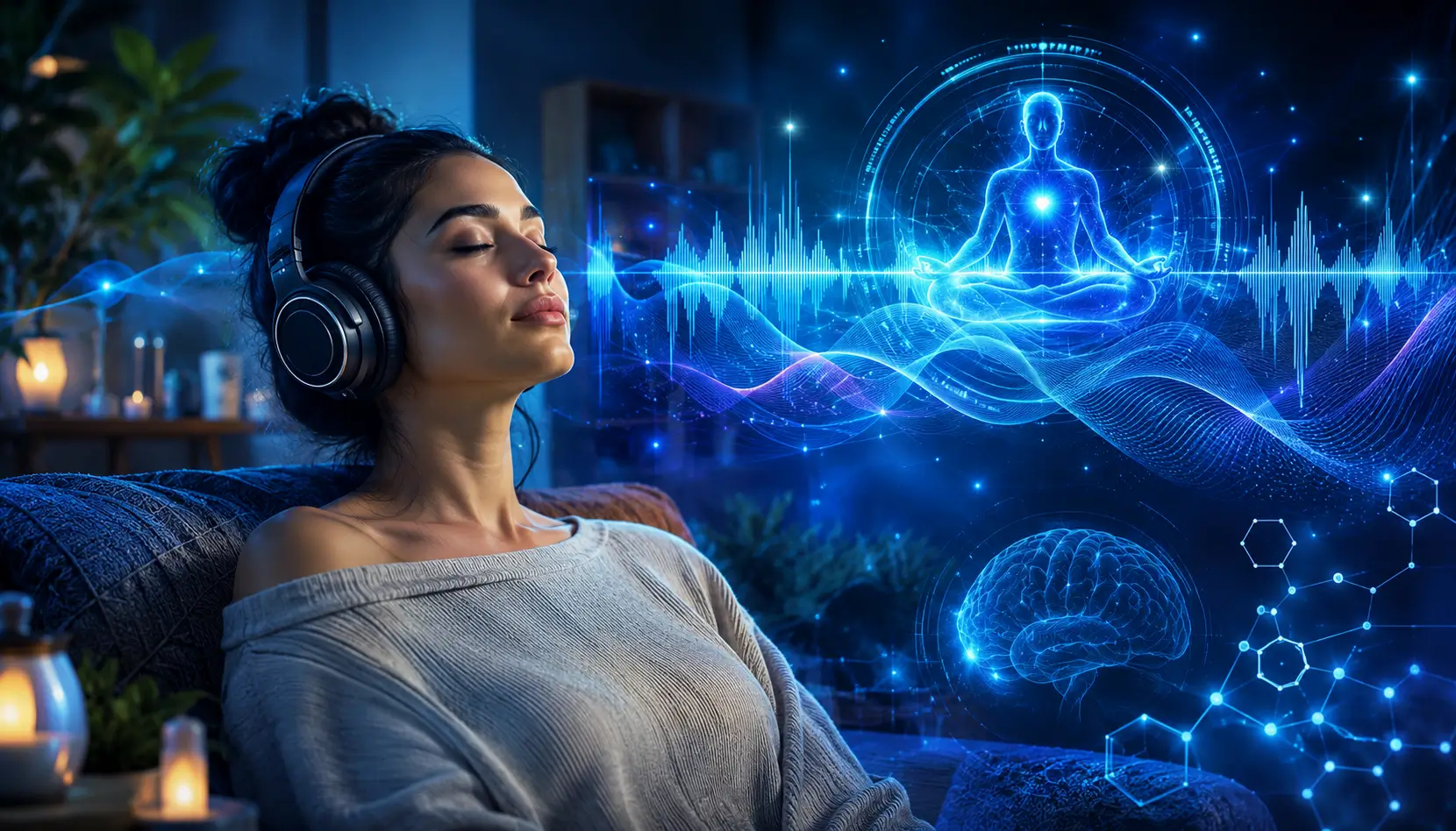
Sound affects people in powerful ways.
Certain sounds may feel:
- calming,
- energizing,
- emotional,
- immersive,
- or mentally soothing.
Music, ambient audio, nature sounds, and rhythmic tones can all influence how people experience:
- stress,
- attention,
- emotional atmosphere,
- and relaxation.
This is one reason interest in sound frequencies and neuroscience has grown rapidly in recent years.
But can specific frequencies truly influence mood and mental states?
The answer is more nuanced than many dramatic internet claims suggest.
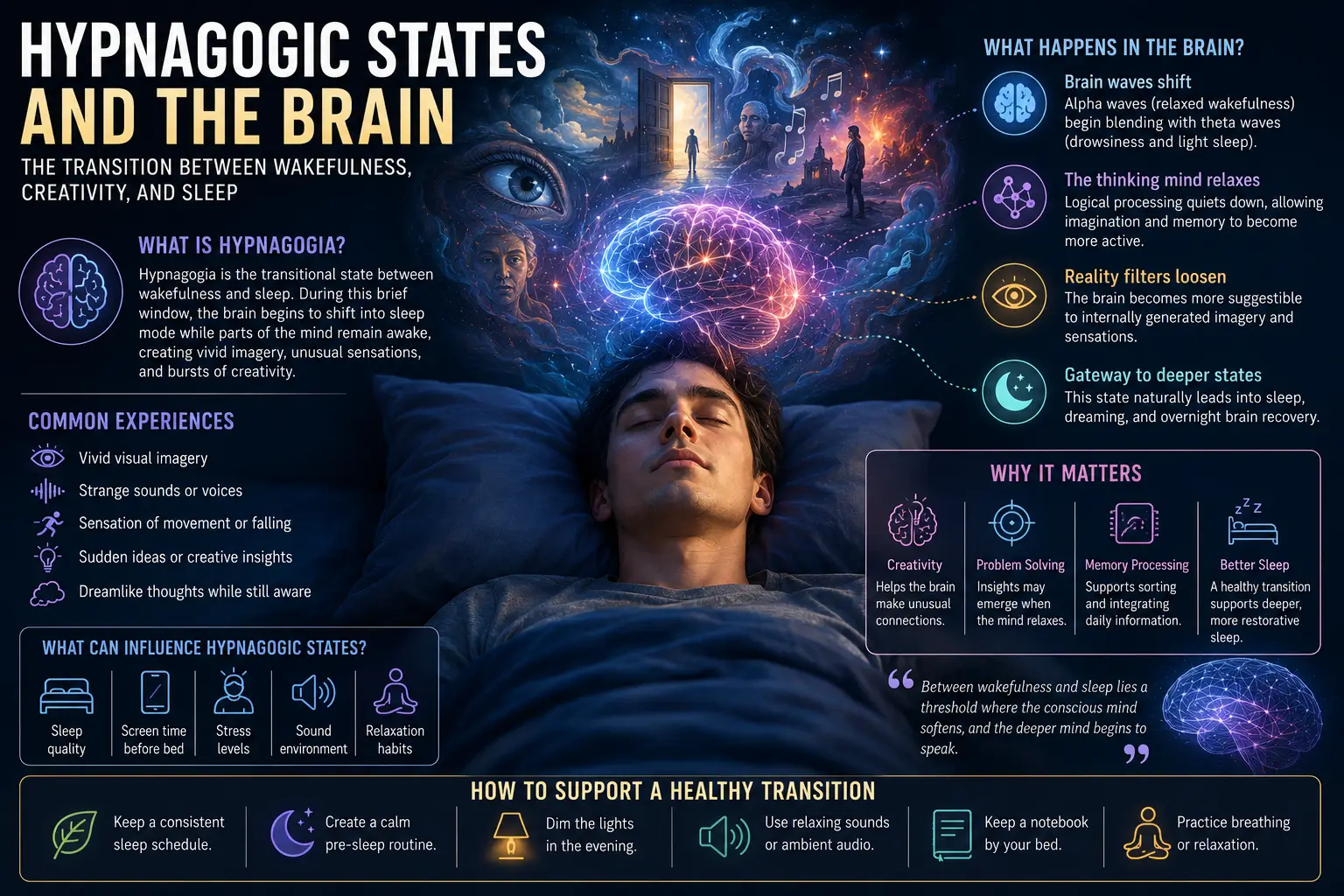
🧠 Why Sound Affects the Human Brain
The nervous system naturally responds to:
- rhythm,
- repetition,
- tempo,
- and sensory atmosphere.
This is why:
- calming music may reduce tension,
- rhythmic audio may feel immersive,
- and certain sound environments may support relaxation.
Humans are deeply responsive to auditory stimulation because sound constantly interacts with:
- emotion,
- attention,
- memory,
- and environmental awareness.

🌊 What People Mean by “Sound Frequencies”
Online discussions often refer to:
- healing frequencies,
- meditation frequencies,
- binaural beats,
- isochronic tones,
- or calming sound environments.
In many cases, these systems involve:
- repetitive sound patterns,
- ambient audio layers,
- rhythmic stimulation,
- or emotionally soothing acoustic environments.
Some people use these soundscapes during:
- meditation,
- sleep preparation,
- mindfulness,
- studying,
- or relaxation routines.
🔬 What Science Actually Says
Research suggests sound and music may influence:
- mood,
- emotional regulation,
- relaxation,
- stress response,
- and mental atmosphere under certain conditions.
However, many internet claims involving:
- miracle healing frequencies,
- instant transformation,
- or disease treatment
go far beyond current scientific evidence.
Further reading:
https://www.frontiersin.org/articles/10.3389/fnhum.2019.00425/full
https://www.ncbi.nlm.nih.gov/pmc/articles/PMC10198548/
The most balanced perspective is viewing calming sound environments as:
- supportive sensory experiences,
- relaxation tools,
- or mindfulness aids.
☁️ Why Relaxing Audio Feels Powerful
Modern life often involves:
- stress,
- overstimulation,
- constant notifications,
- and fragmented attention.
As a result, slower and more structured audio environments may feel psychologically calming.
For many people, the benefit of relaxing sound is not mystical transformation.
It is simply creating:
- reduced sensory overload,
- calmer attention,
- and more peaceful mental environments.
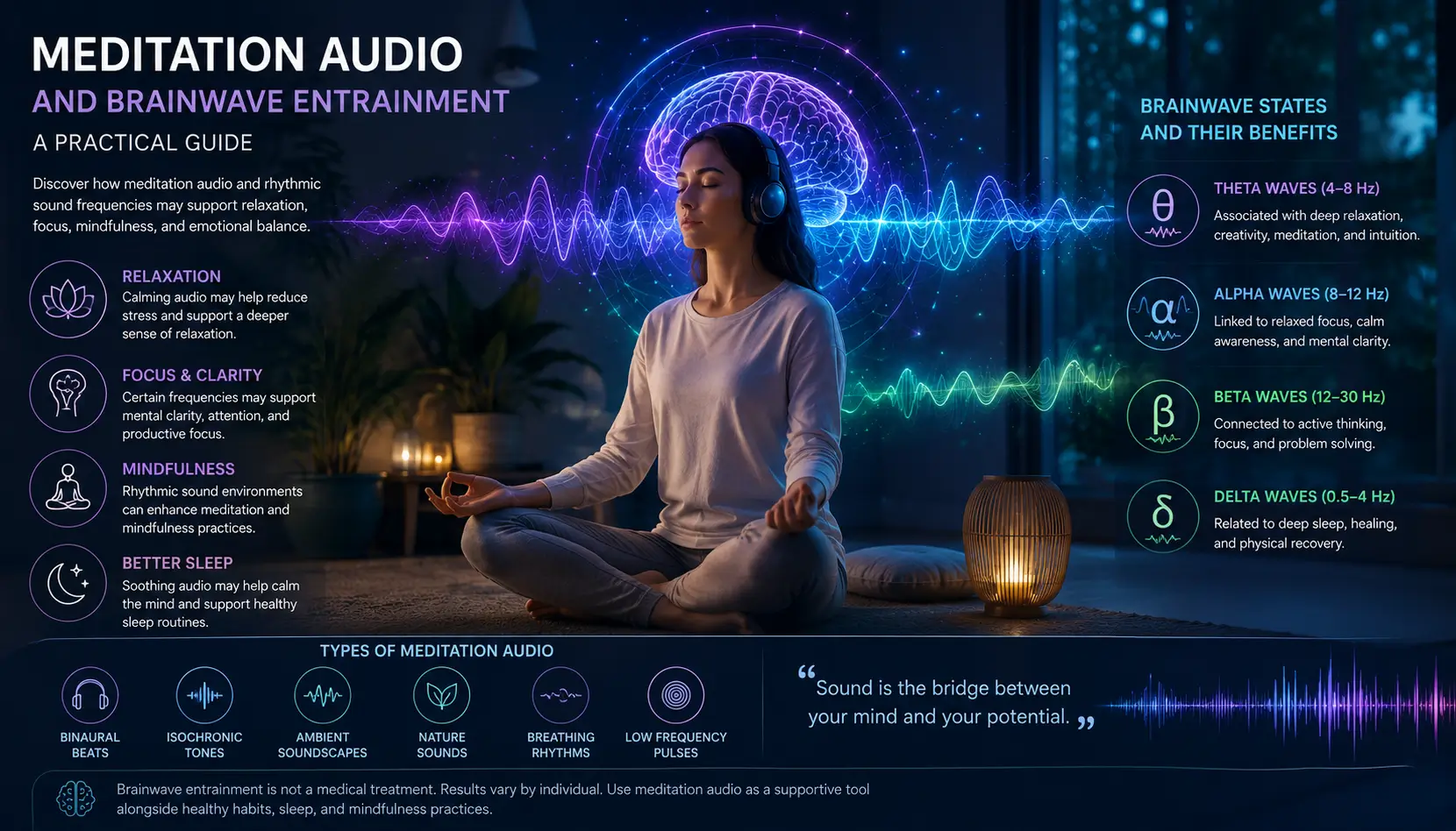
🎧 Common Types of Relaxation Audio
People commonly explore:
- ambient music,
- binaural beats,
- white noise,
- nature sounds,
- meditation audio,
- and rhythmic soundscapes.
Some listeners also experiment with neuroacoustic relaxation audio systems designed to support calmer focus and mindfulness routines.
Personal preference plays a major role in how relaxing audio feels.
🧘 Sound, Meditation, and Mindfulness
Meditation practices often use sound because repetitive auditory environments may help support:
- calm attention,
- inward focus,
- slower breathing,
- and emotional decompression.
Many people combine:
- meditation,
- mindfulness,
- journaling,
- breathwork,
- and ambient audio
to create structured relaxation routines.
You may also enjoy our article on meditation vs binaural beats to better understand different approaches to relaxation-oriented mental environments.
🌙 Sound and Sleep Environments
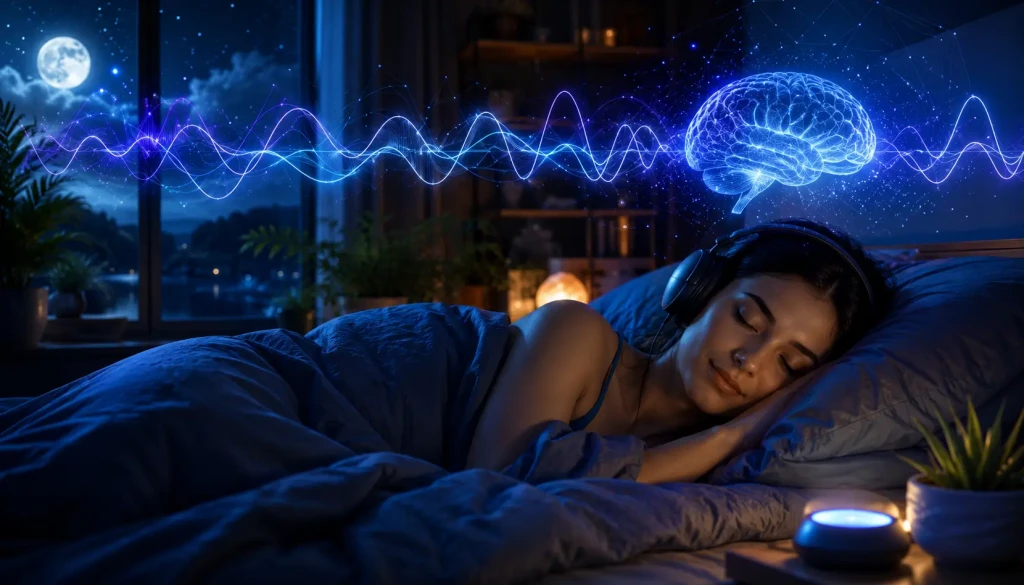
Many people also use calming sound environments before sleep.
Soft repetitive audio may help reduce:
- environmental distraction,
- racing thoughts,
- and overstimulation at bedtime.
You can also explore our guide on binaural beats for sleep to understand how rhythmic nighttime audio is commonly used in relaxation routines.
⚠️ Common Myths About Sound Frequencies
Myth:
“Specific frequencies instantly heal the body.”
Reality:
Current scientific evidence does not support extreme healing claims.
Myth:
“One frequency works perfectly for everyone.”
Reality:
People respond differently to music, sound, and sensory environments.
Myth:
“Sound frequencies permanently rewire the brain.”
Reality:
Human cognition and emotional regulation are far more complex than single-frequency explanations.
🌍 Why Interest in Sound Therapy Keeps Growing
Interest in sound and relaxation continues growing because many people are searching for:
- calmer routines,
- emotional balance,
- reduced stress,
- and healthier mental environments.
In overstimulating digital environments, structured sound experiences may simply feel emotionally restorative.
Final Thoughts
Sound frequencies remain a fascinating intersection between:
- neuroscience,
- psychology,
- music,
- and sensory experience.
Research suggests sound may influence mood and relaxation under certain conditions.
At the same time, exaggerated online claims should be approached carefully.
The healthiest perspective is viewing calming audio as a supportive environmental tool rather than a magical solution for emotional or physical health problems.
Related Articles
Stay Informed With the Latest & Most Important News
Previous Post
Next Post