






Interest in brainwave audio has grown rapidly in recent years. Many people use: binaural beats, isochronic tones, ambient soundscapes, and relaxation audio during: studying, meditation, focus sessions, sleep preparation, and
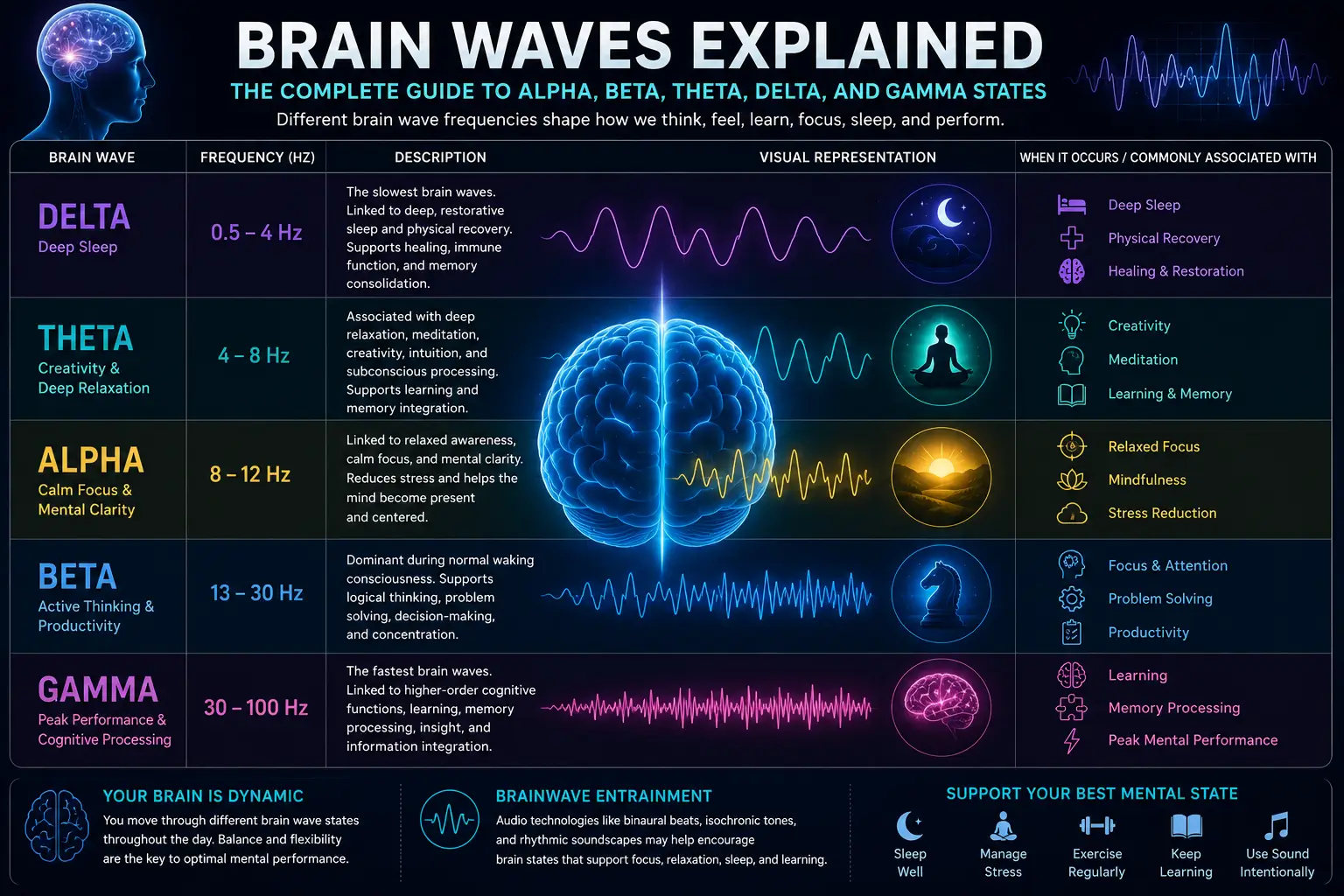
The human brain is never truly silent. Every thought, emotion, memory, and action is accompanied by electrical activity generated by billions of neurons communicating with one another. These electrical patterns
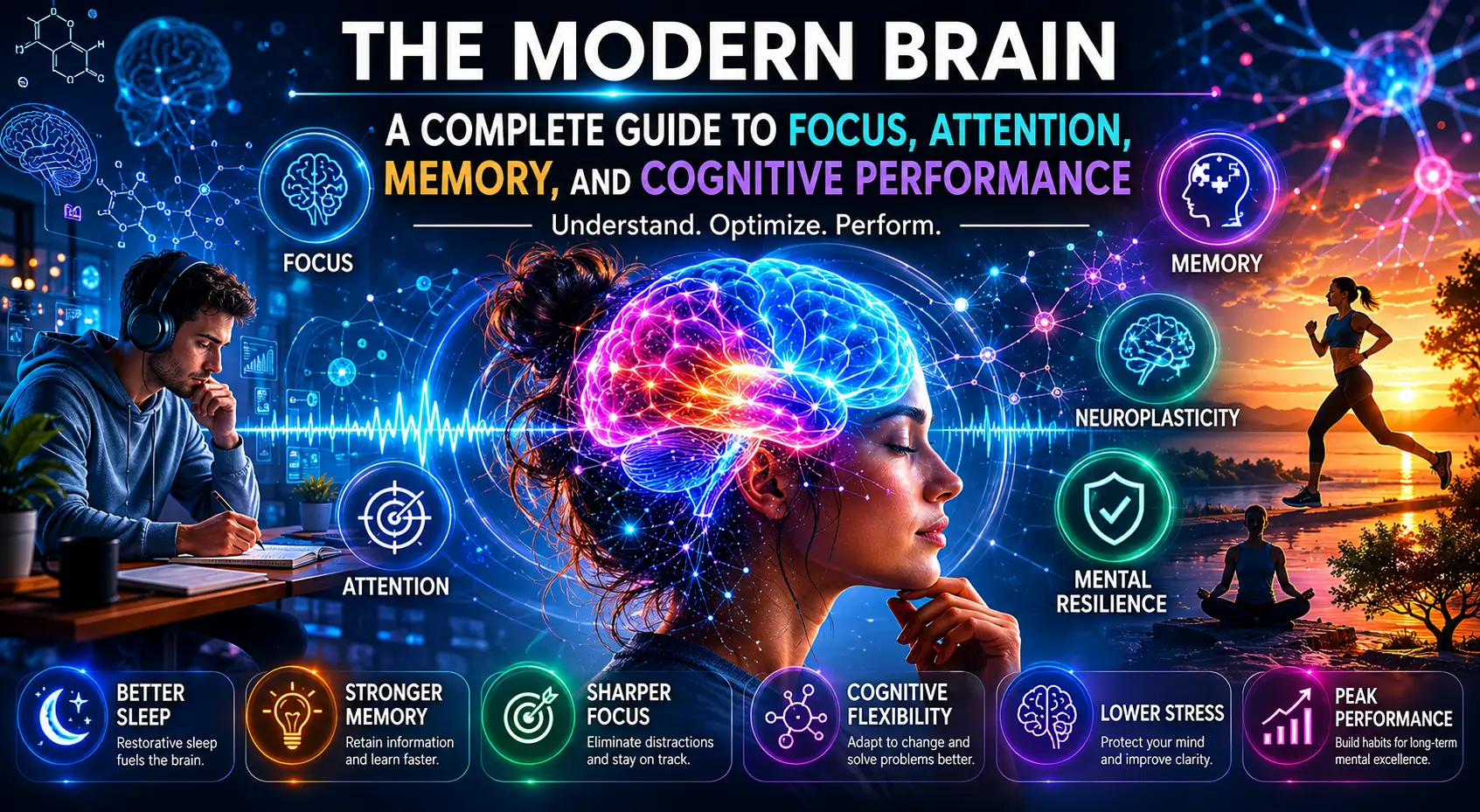
Modern life places unprecedented demands on the human brain. Notifications compete for attention. Information arrives faster than we can process it. Stress levels remain elevated while opportunities for deep focus
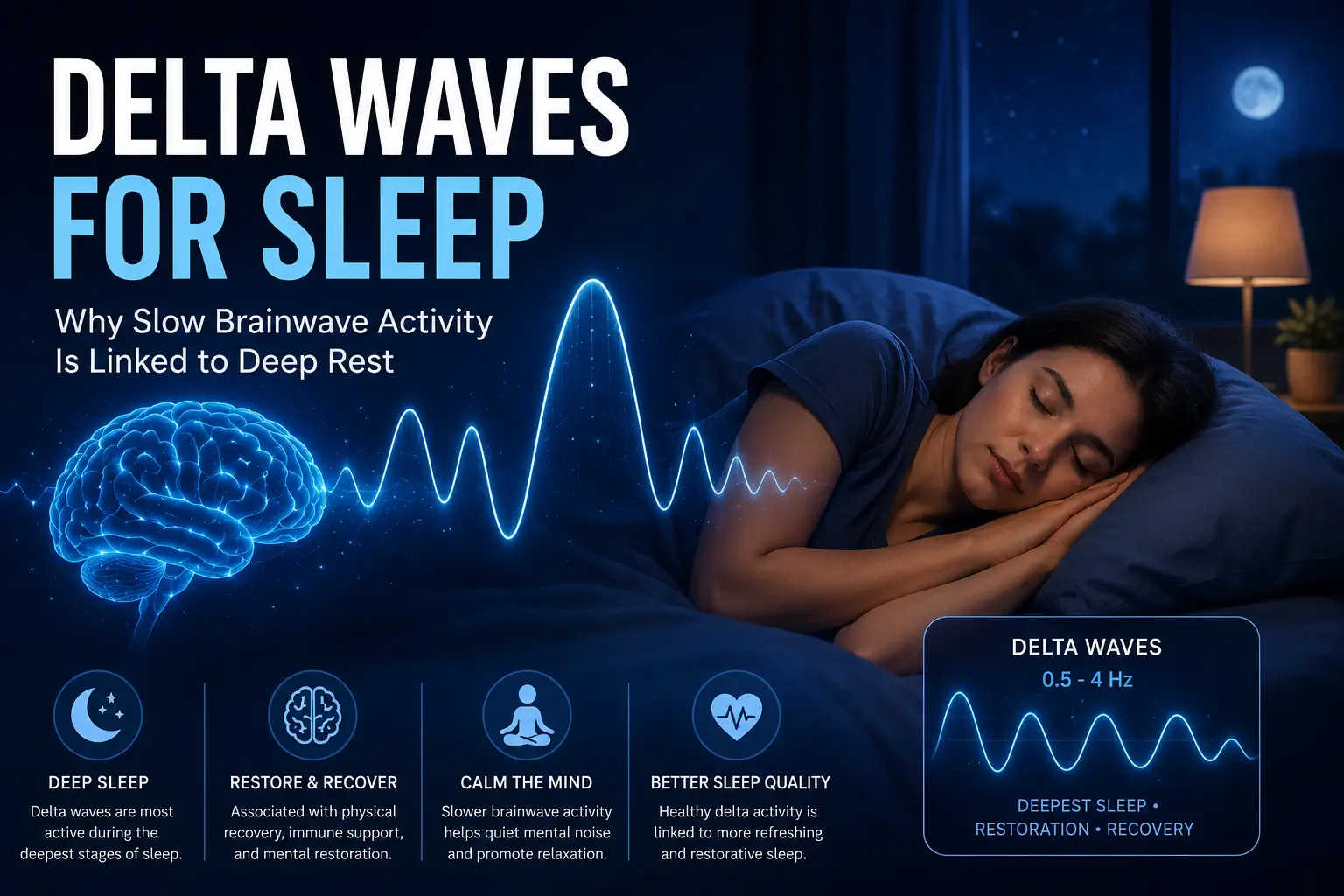
Sleep is one of the brain’s most important recovery systems. Without proper rest, focus, memory, emotional balance, and mental clarity can all begin to decline. Yet modern life constantly interferes

Many people today feel mentally exhausted even when they are not physically active. The modern world constantly pushes the brain into a state of nonstop stimulation. Notifications, social media, multitasking,
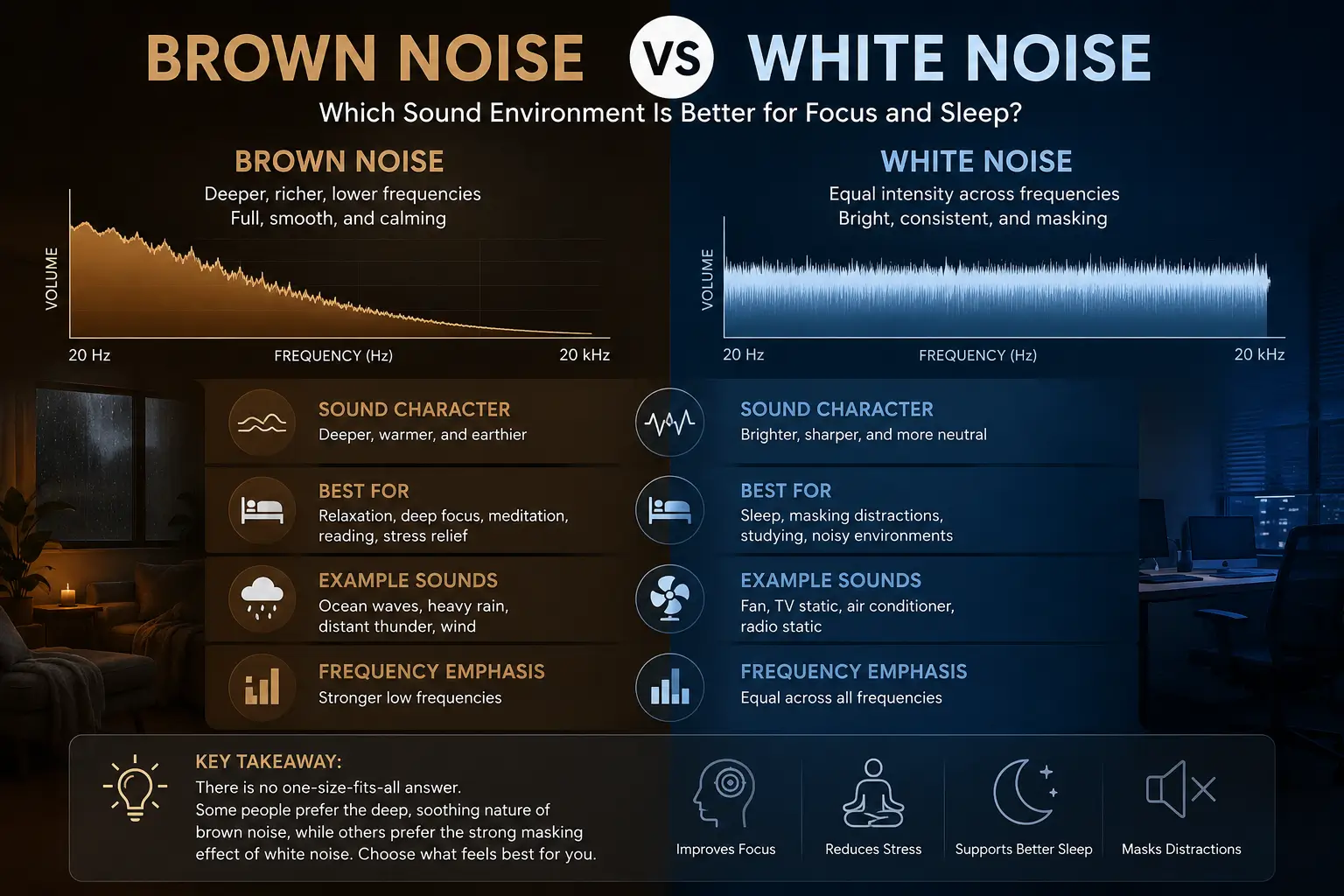
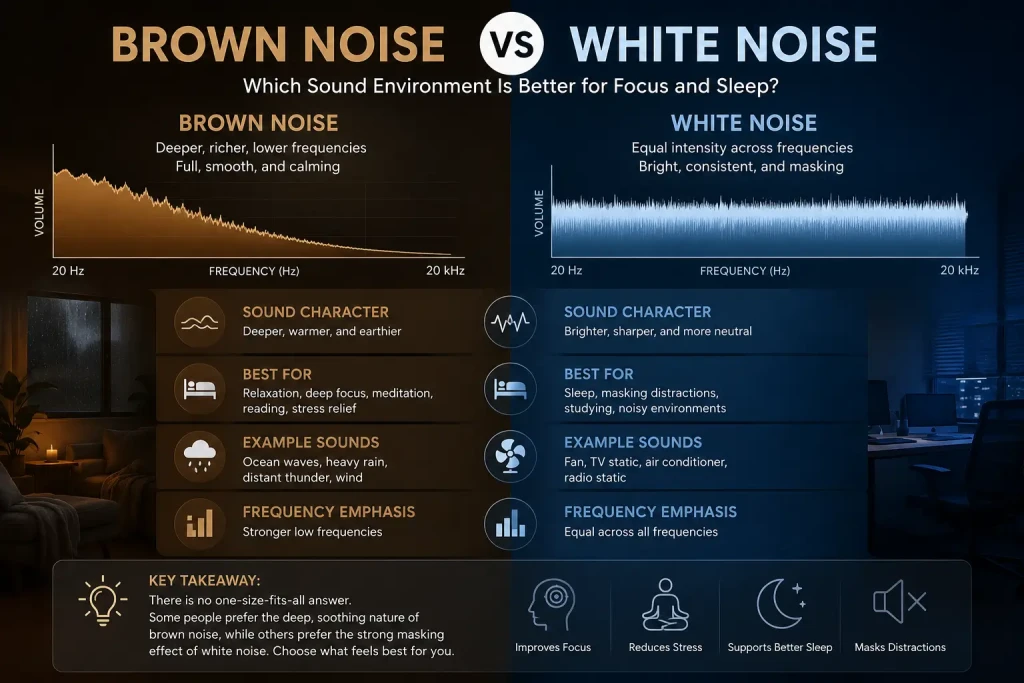
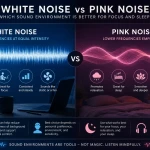
Sound environments are becoming increasingly popular for: concentration, relaxation, sleep, studying, and reducing distraction. Among the most commonly discussed audio environments are: white noise, brown noise, pink noise, ambient soundscapes,
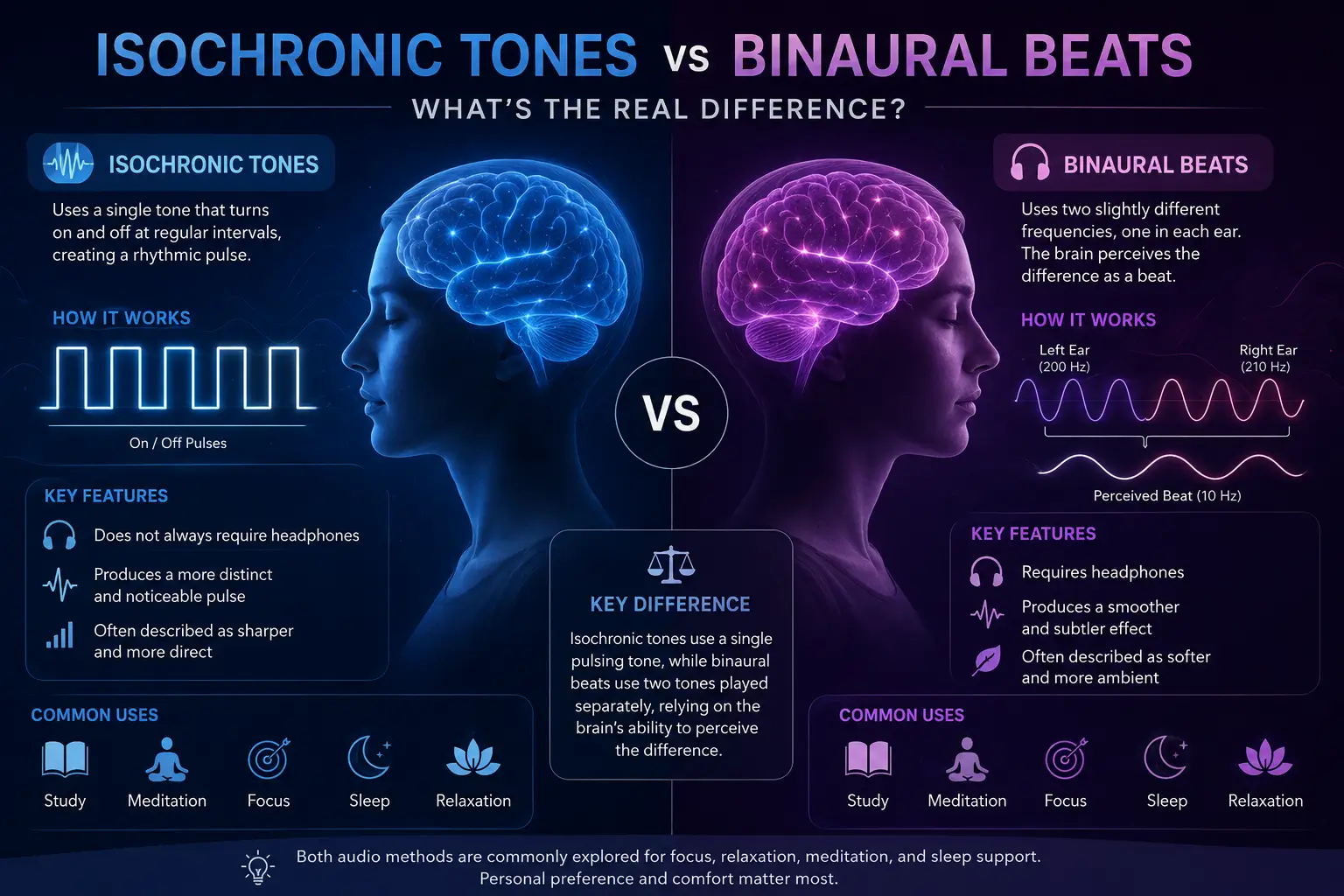
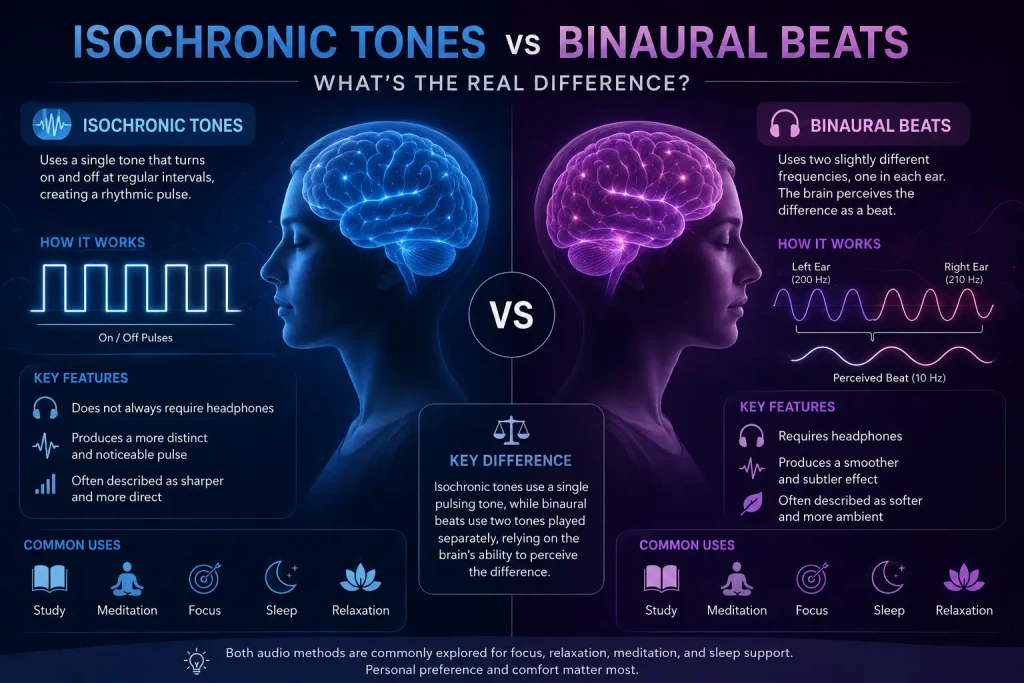
If you spend enough time exploring brainwave audio, you will eventually encounter the same question: Are isochronic tones better than binaural beats? For years, discussions about audio entrainment have often
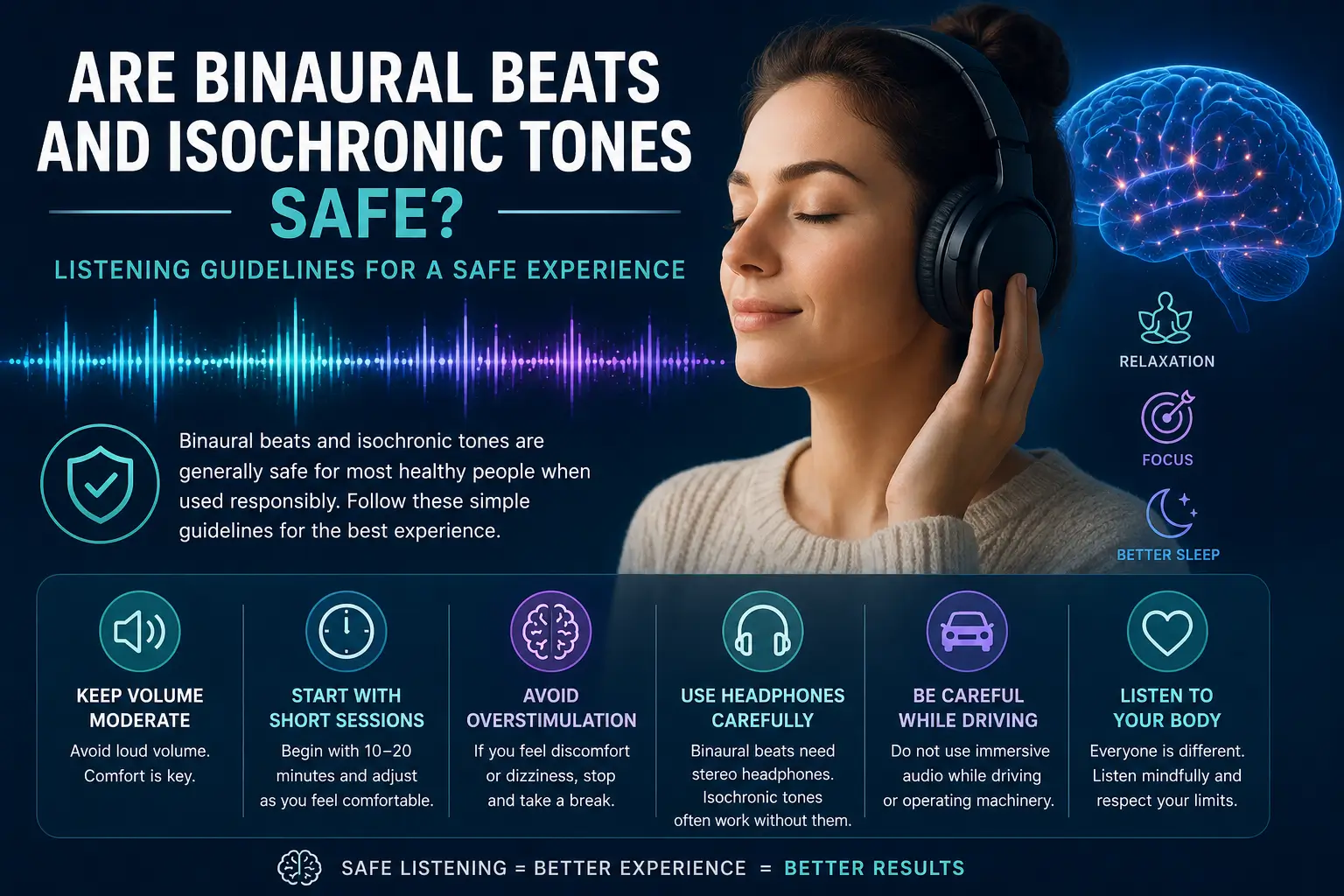
Interest in brainwave audio has grown rapidly in recent years. Many people use: binaural beats, isochronic tones, ambient soundscapes, and relaxation audio during: studying, meditation, focus sessions, sleep preparation, and
Search online for “3.2 Hz binaural beats” and you’ll quickly encounter extreme opinions. Some people describe the frequency as deeply healing.Others claim it’s psychologically dangerous or capable of disrupting the
⚡ Introduction Imagine being completely absorbed in your work — time disappears, ideas flow, and everything feels effortless.That’s the Flow State, and it’s not magic — it’s frequency. 👉 Experience
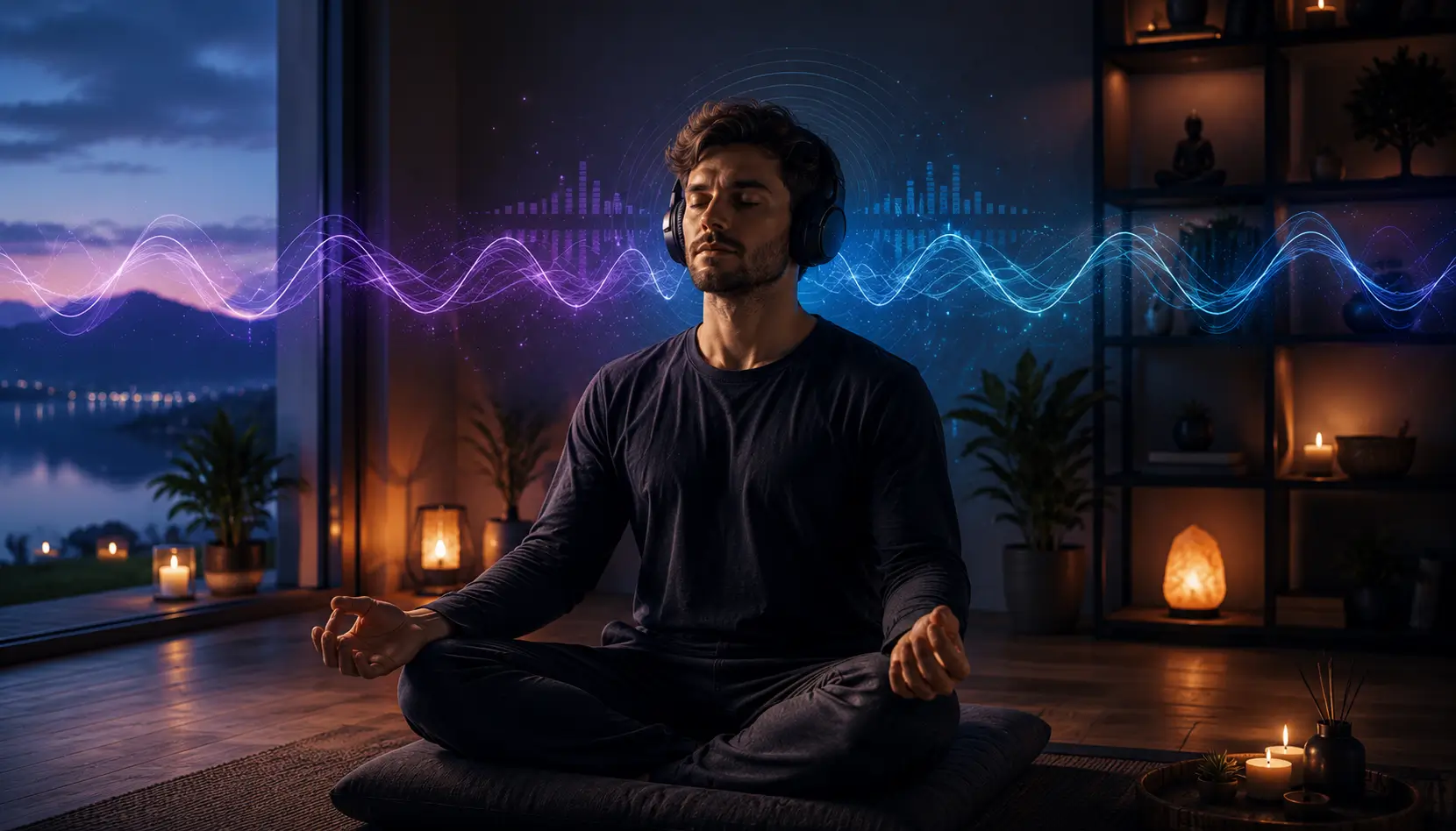
Not all calming audio serves the same purpose. Some people listen to meditation audio for mindfulness, emotional regulation, or mental stillness. Others simply want relaxing background sound that helps reduce
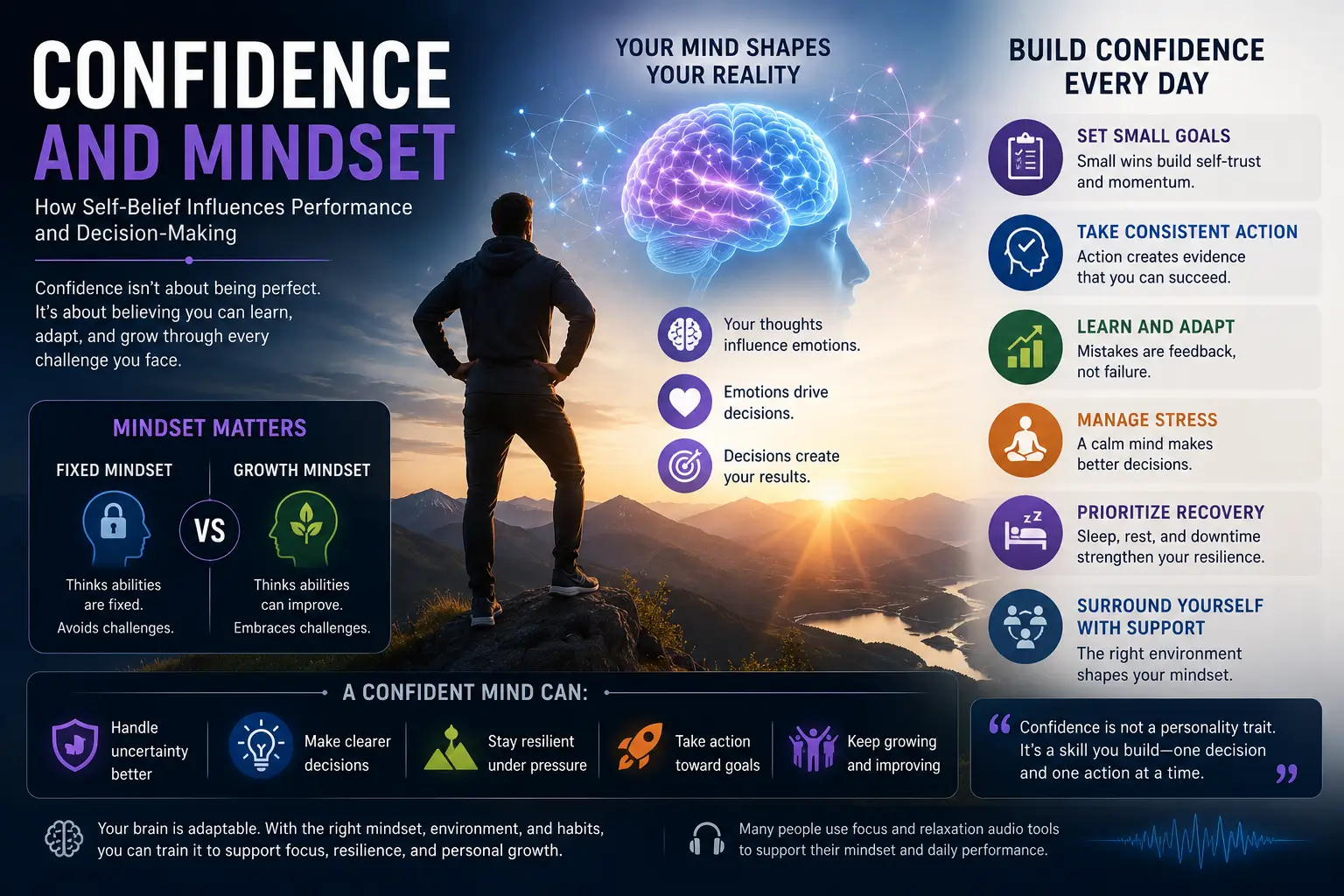
Confidence is often misunderstood. Many people think confidence means feeling fearless, certain, or naturally talented. In real life, confidence is usually quieter than that. It is the ability to take
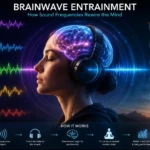
The human brain constantly produces rhythmic electrical activity. These patterns — commonly known as brainwaves — change depending on: attention, stress, sleep, emotional state, and cognitive activity. Brainwave entrainment is
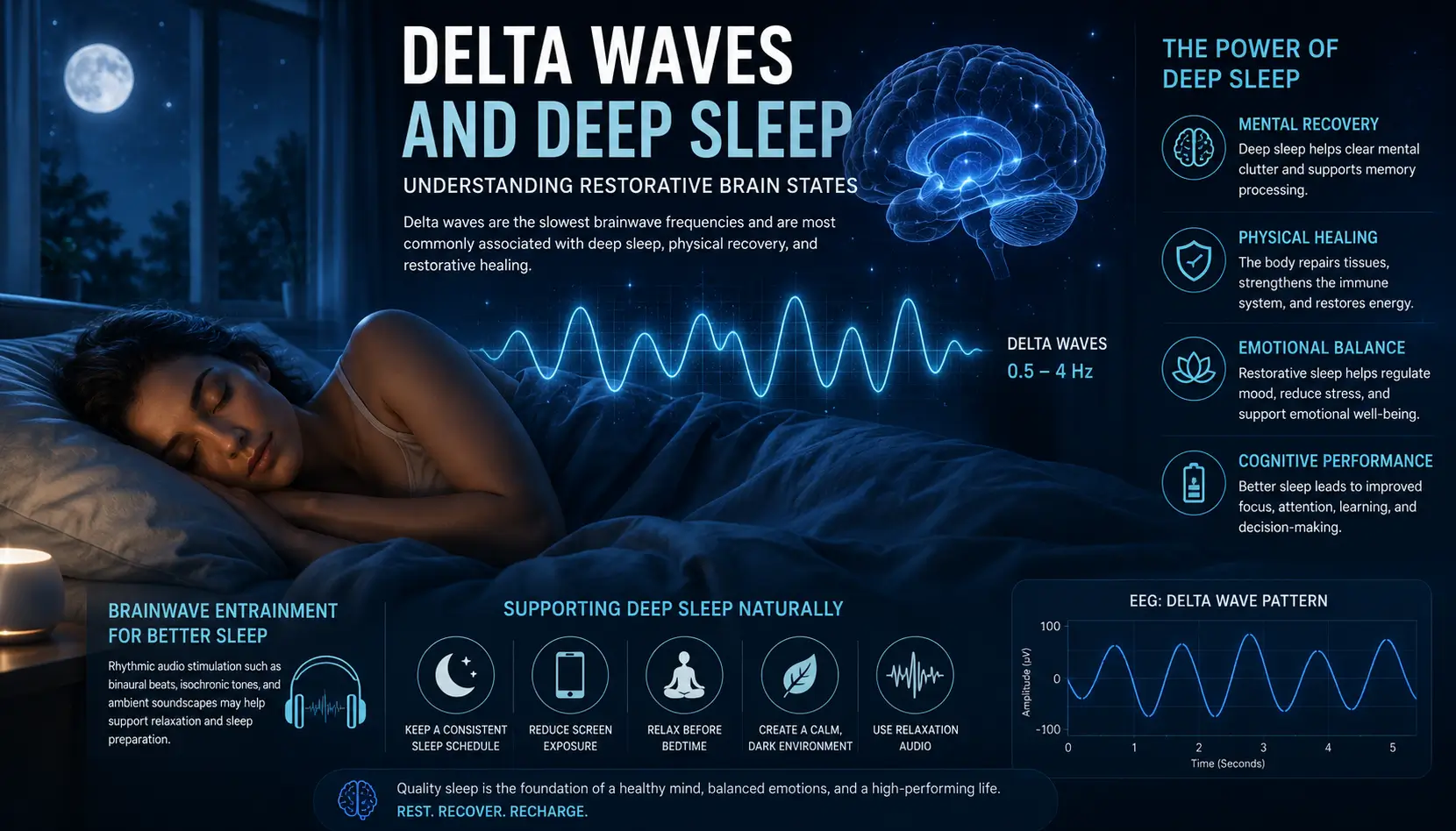
🌙 What Are Delta Waves? Delta waves are the slowest commonly measured brainwave patterns in the human brain. They are most frequently associated with deep sleep, physical recovery, and restorative
🌊 Introduction Your brain is an orchestra — and sometimes, the instruments fall out of tune.That’s where a brainwave reset comes in.By blending binaural and isochronic tones, you can harmonize
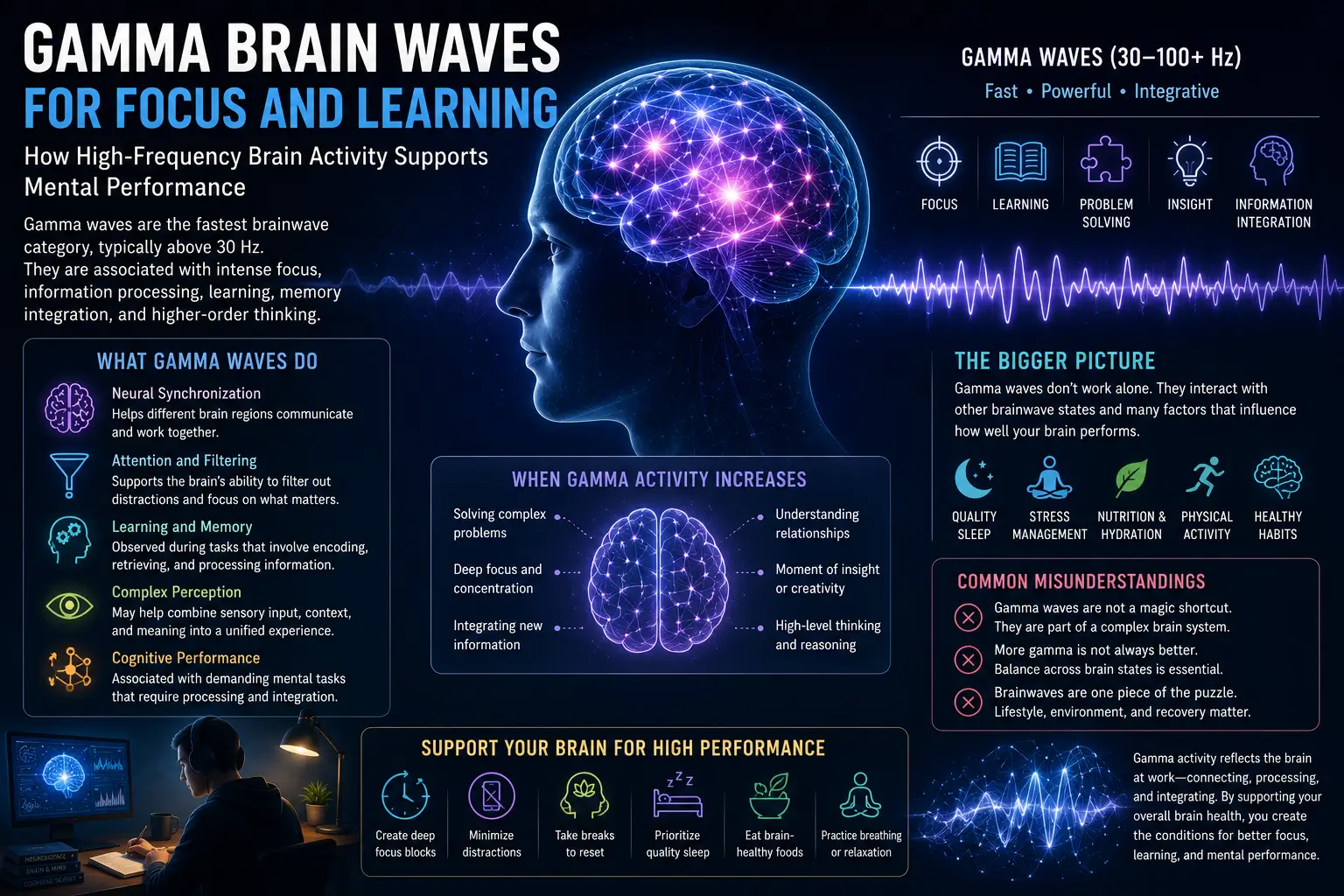
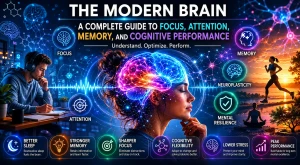
If someone asked you which part of the brain is responsible for focus, learning, or attention, the answer would not be a single brain region. The brain operates through vast
Anxiety has become one of the most common struggles of modern life. Constant notifications, overstimulation, stress, lack of sleep, and endless mental noise leave many people searching for ways to