
Now Reading: Is 3.2 Hz Dangerous? Understanding Low-Frequency Brainwave Risks
-
01
Is 3.2 Hz Dangerous? Understanding Low-Frequency Brainwave Risks
Is 3.2 Hz Dangerous? Understanding Low-Frequency Brainwave Risks
Search online for “3.2 Hz binaural beats” and you’ll quickly encounter extreme opinions.
Some people describe the frequency as deeply healing.
Others claim it’s psychologically dangerous or capable of disrupting the brain.
The truth is far less dramatic — and far more scientific.
3.2 Hz belongs to the lower Delta brainwave range, a frequency state commonly associated with:
- deep sleep,
- nervous system recovery,
- unconscious processing,
- and physical restoration.
While very low-frequency audio can feel unusual to some listeners, current evidence does not support the idea that 3.2 Hz is inherently dangerous for healthy individuals when used responsibly.
The bigger issue is usually misunderstanding — not the frequency itself.
🧠 What Is 3.2 Hz, Exactly?
3.2 Hz falls within the Delta brainwave range:
- approximately 0.5–4 Hz.
Delta activity naturally becomes dominant during:
- deep sleep,
- physical recovery,
- and unconscious restorative states.
In brainwave entrainment audio, low Delta frequencies are often used to encourage:
- relaxation,
- sleep preparation,
- and mental slowing.
Unlike stimulating Beta or Gamma sessions, Delta-focused audio tends to produce:
- heaviness,
- dream-like awareness,
- reduced mental chatter,
- and physical calm.
For some people, this feels comforting.
For others, it can initially feel strange or emotionally unfamiliar.
🌙 Why Low Frequencies Sometimes Feel Intense
This is where much of the confusion begins.
Very low-frequency sessions may occasionally create transitional mental states similar to the early stages of sleep.
Researchers sometimes describe these as:
hypnagogic states.
These states can involve:
- vivid mental imagery,
- drifting thoughts,
- altered time perception,
- emotional sensitivity,
- or dream-like sensations.
None of these automatically indicate danger.
In many cases, they reflect the nervous system shifting toward deeper relaxation and reduced cognitive activity.
However, people unfamiliar with deep meditative or sleep-transition states may interpret these sensations as alarming.
🔬 What Research Actually Suggests
Current research on auditory brainwave entrainment remains ongoing, but existing studies generally suggest that low-frequency stimulation may support:
- relaxation,
- stress reduction,
- sleep preparation,
- and calmer mental states.
Some EEG-based studies have shown temporary synchronization effects during exposure to rhythmic auditory stimulation.
Importantly:
there is currently no strong scientific evidence suggesting that properly used low-frequency binaural beats cause neurological damage in healthy adults.
That does not mean every person responds identically.
Factors such as:
- anxiety sensitivity,
- sleep deprivation,
- overstimulation,
- and emotional stress
may influence how sessions feel subjectively.
⚠️ Where The Fear Around 3.2 Hz Comes From
A large portion of the fear surrounding low-frequency audio appears to come from:
- internet speculation,
- conspiracy-style content,
- exaggerated YouTube marketing,
- and misunderstood neuroscience terminology.
Some videos describe certain frequencies as:
- “mind control tools,”
- “dangerous subconscious weapons,”
- or “forbidden frequencies.”
These claims are rarely supported by credible evidence.
In reality, low Delta frequencies are commonly associated with:
- sleep states,
- meditation,
- and nervous system calming.
The internet often amplifies fear because dramatic claims generate more attention than balanced explanations.
🧘 Why Some People Still Prefer Caution
Even though 3.2 Hz is not considered inherently dangerous, caution still makes sense in certain situations.
Low-frequency sessions can feel mentally heavy or sedating.
Because of this, many experienced listeners recommend:
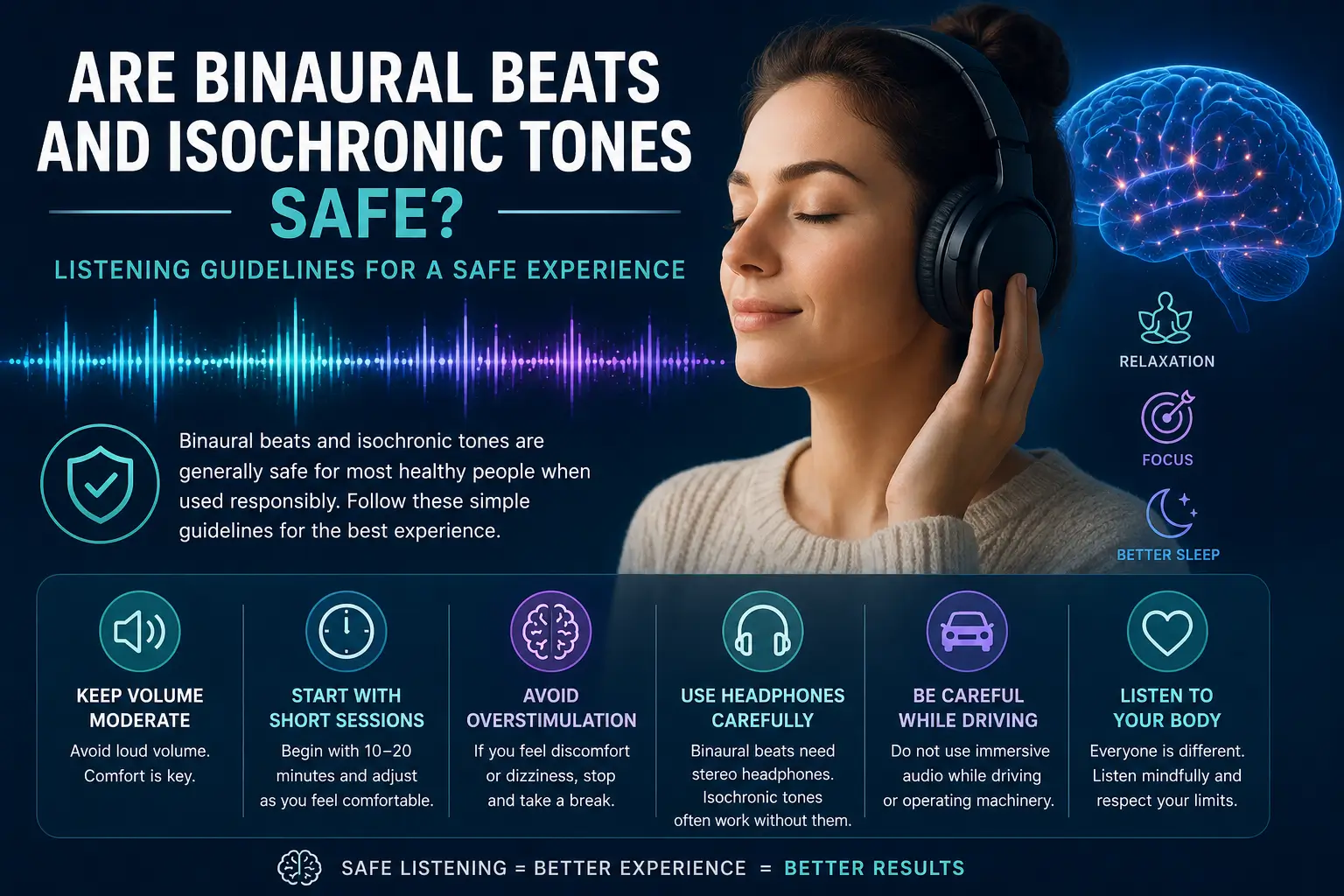
- avoiding use while driving,
- avoiding multitasking,
- and starting with short sessions first.
People with epilepsy or neurological conditions should speak with a healthcare professional before experimenting with intense auditory stimulation systems.
This is standard precaution — not evidence of danger.
🌊 Potential Benefits of Low Delta Frequencies
Some listeners explore low-frequency entrainment to support:
- deeper relaxation,
- emotional decompression,
- sleep transition,
- and nervous system recovery.
Many people report that Delta-focused sessions feel most useful:
- late at night,
- after stressful days,
- or during intentional relaxation routines.
👉 Some listeners prefer structured audio systems like Genius Wave
because the sessions are layered more gradually than many harsh or randomly generated low-frequency tracks online.
🎧 Why Audio Design Quality Matters
This part is often overlooked.
Poorly produced low-frequency audio may feel:
- uncomfortable,
- mentally tiring,
- or overly aggressive.
That doesn’t necessarily mean the frequency itself is dangerous.
It may simply reflect:
- bad layering,
- abrupt transitions,
- excessive volume,
- or low production quality.
Professionally designed entrainment systems usually create smoother transitions between mental states instead of overwhelming the listener immediately.
🧩 Safe Listening Practices
If you want to experiment with low Delta frequencies more comfortably:
- Start with short sessions (10–15 minutes)
- Use comfortable volume levels
- Avoid listening while driving
- Listen in calm environments
- Stay hydrated and rested
- Stop if the experience feels overwhelming
The goal is gentle nervous system regulation — not forcing the brain into extreme states.
🔍 So… Is 3.2 Hz Dangerous?
For most healthy adults:
probably not.
Current evidence suggests that low-frequency entrainment is generally associated with relaxation and sleep-oriented mental states rather than neurological harm.
However:
- experiences vary,
- sensitivity differs,
- and exaggerated internet claims often distort expectations.
The most realistic approach is neither fear nor hype.
It’s informed experimentation with reasonable expectations.
👉 For people exploring structured brainwave audio more seriously, Genius Wave
offers a more guided approach than random low-frequency tracks found online.
Final Thoughts
The internet often treats frequencies like mystical secrets or hidden dangers.
But most of the time, the reality is simpler:
the brain naturally responds to rhythm, repetition, and sensory patterns.
Low-frequency audio may feel unusual because deep relaxation itself feels unfamiliar to many overstimulated minds.
That doesn’t automatically make it harmful.
Understanding the difference between discomfort, suggestion, and genuine risk is what creates a healthier perspective on brainwave entrainment.
Related Articles
- Ultimate Guide to Brainwave Entrainment
- Which Waves Help You Sleep?/
- Binaural Beats for Anxiety Relief/
- Delta Waves for Deep Sleep
👉 Related read: Isochronic Tones Explained: How Rhythmic Pulses Influence Brainwaves for more insights on brainwave focus and mental clarity.
Stay Informed With the Latest & Most Important News
Previous Post
Next Post