
Now Reading: Improve Cognitive Flexibility: Training Your Brain to Adapt in a Fast-Changing World
-
01
Improve Cognitive Flexibility: Training Your Brain to Adapt in a Fast-Changing World
Improve Cognitive Flexibility: Training Your Brain to Adapt in a Fast-Changing World
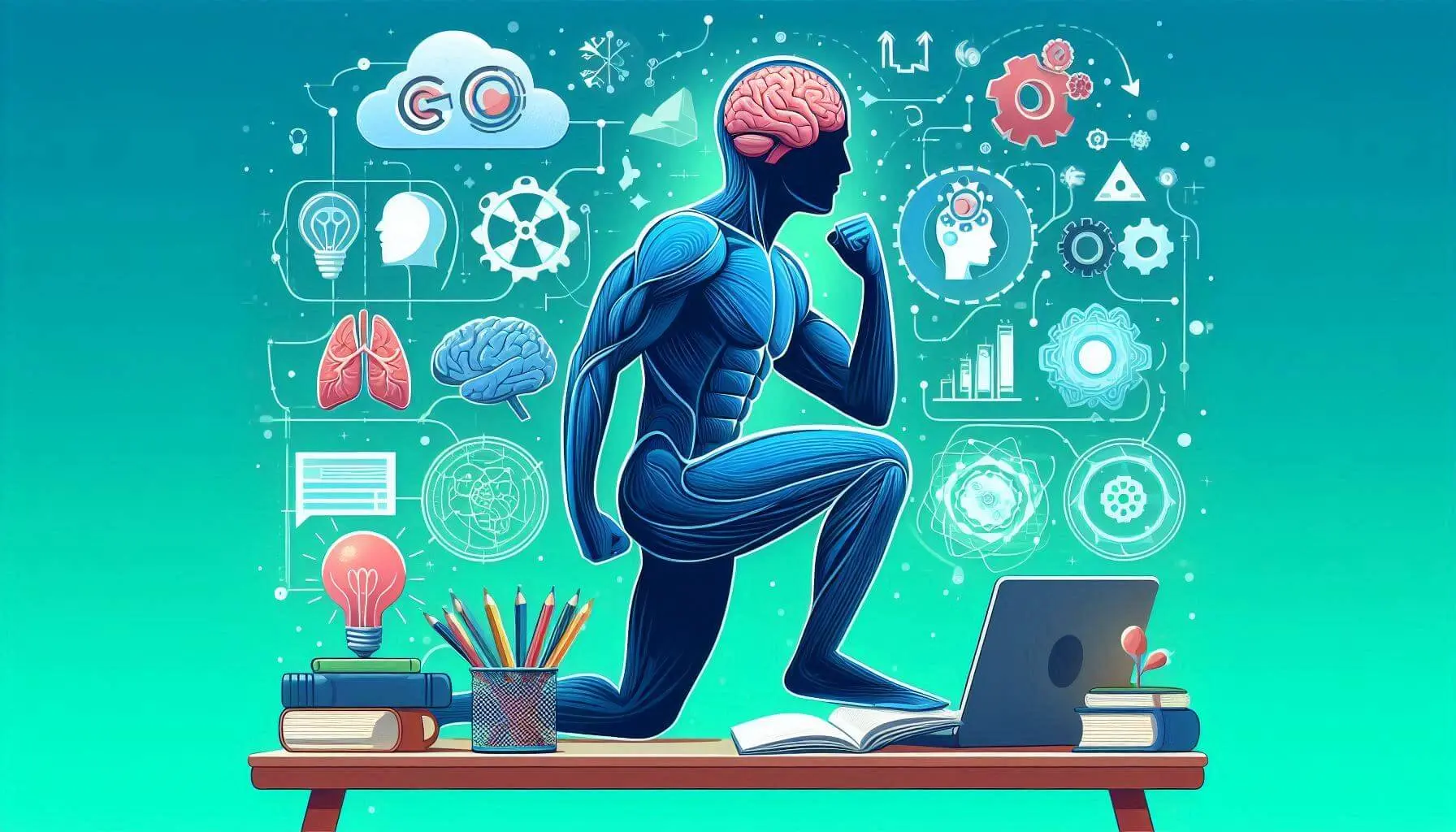
The modern world changes constantly.
Information moves faster than ever.
Attention shifts rapidly.
People switch between tasks, apps, conversations, and environments all day long.
In this kind of environment, one mental skill becomes increasingly important:
cognitive flexibility.
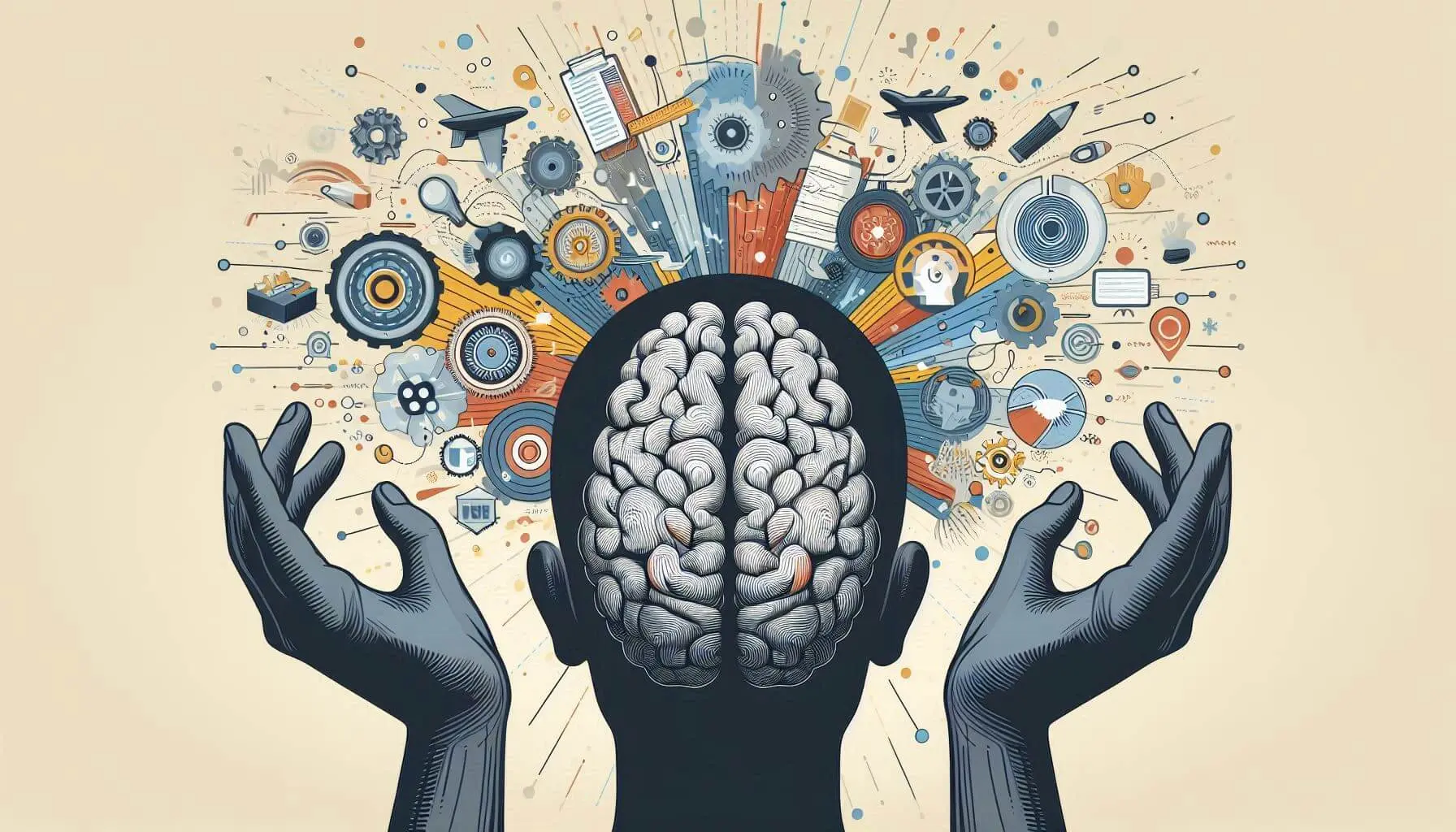
Cognitive flexibility refers to the brain’s ability to adapt, shift perspectives, learn new patterns, and respond effectively to changing situations.
It affects:
- problem solving,
- learning,
- creativity,
- focus,
- emotional regulation,
- and mental resilience.
People with stronger cognitive flexibility often adapt more easily when routines change or unexpected challenges appear.
But modern overstimulation can make mental adaptability harder to maintain.
This is why many people now explore ways to improve focus, reduce cognitive overload, and support healthier brain habits over time.
🧠 What Is Cognitive Flexibility?
Cognitive flexibility is the ability to shift mental strategies when circumstances change.
It allows the brain to:
- adapt to new information,
- consider different perspectives,
- switch between ideas,
- adjust behavior,
- and respond to unfamiliar situations.
This skill plays a major role in learning and problem solving.
Without flexibility, the brain can become mentally rigid, repetitive, or overwhelmed when facing change.
⚡ Why Modern Life Can Reduce Mental Flexibility
Constant overstimulation affects attention.
Many digital environments encourage rapid reactions instead of deeper thinking.
People often consume information in fragmented bursts:
- notifications,
- short videos,
- endless scrolling,
- constant multitasking,
- and continuous interruptions.
Over time, the brain may become more reactive and less patient with slower, more deliberate thinking.
This can affect concentration, emotional regulation, and mental adaptability.
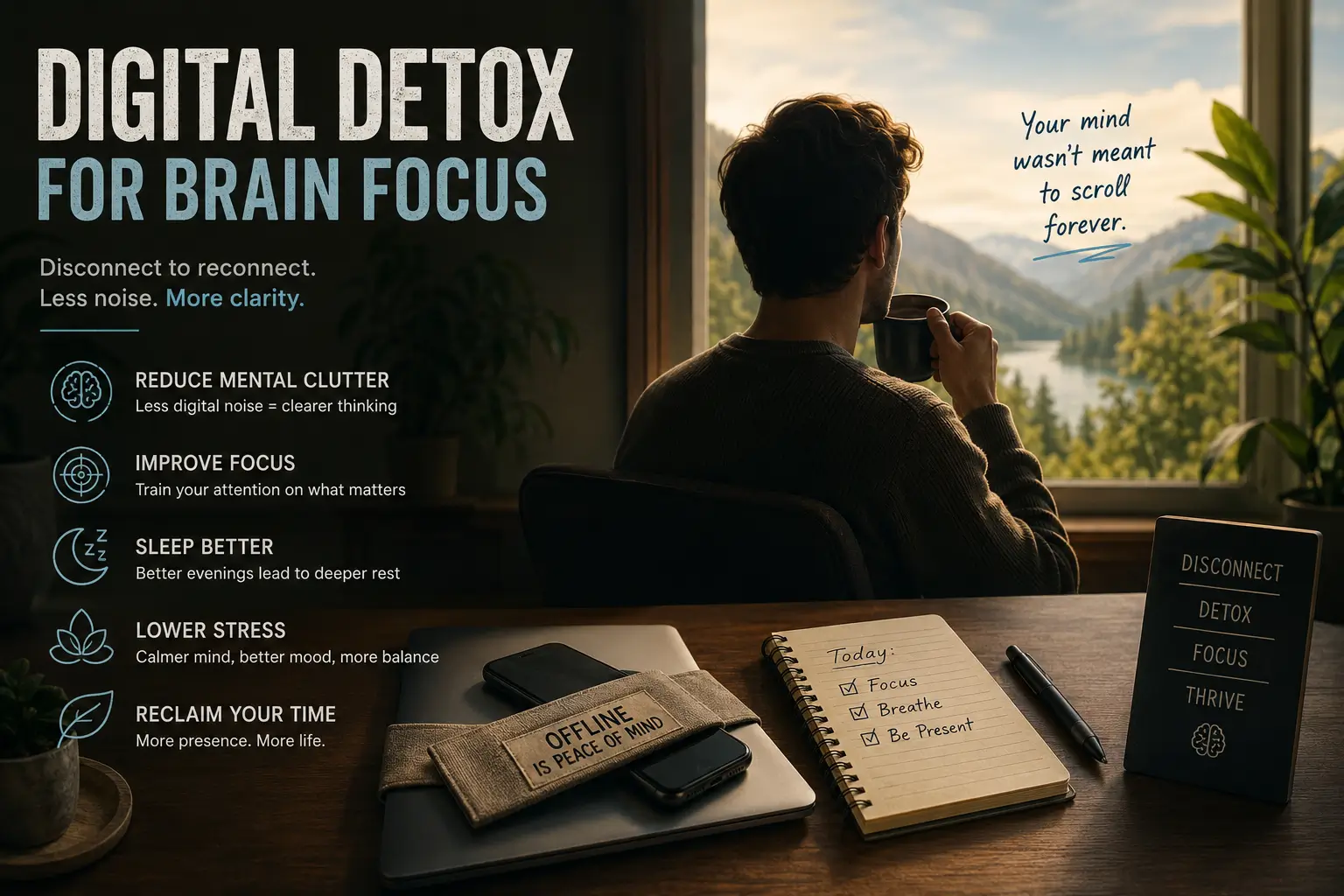
Related article: Digital Detox for Brain Focus.
🎯 Cognitive Flexibility and Learning
Learning depends heavily on adaptability.
The brain constantly updates internal models based on experience and repetition.
This process is closely connected to neuroplasticity, the brain’s ability to reorganize and strengthen neural pathways over time.
Related guide: The Science of Neuroplasticity.
When the brain remains open to new information and perspectives, learning often becomes easier.
Rigid thinking patterns can make adaptation more difficult.
🧩 Signs of Reduced Cognitive Flexibility
Some common signs may include:
- difficulty adapting to changes,
- mental rigidity,
- frustration during uncertainty,
- difficulty shifting focus between tasks,
- overthinking repetitive problems,
- or struggling with new learning environments.
Everyone experiences these challenges sometimes.
But chronic mental overload can intensify them.
🌿 How to Support Cognitive Flexibility
Improving mental adaptability usually involves healthier attention and learning habits over time.
Helpful practices may include:
- learning new skills,
- changing routines occasionally,
- deep reading,
- problem-solving activities,
- creative exercises,
- mindfulness practices,
- and reducing constant multitasking.
The brain often becomes stronger through challenge and repetition.
📖 Reading and Deep Focus Matter
Modern attention habits often reduce tolerance for sustained focus.
Yet deeper learning typically requires uninterrupted concentration.
Activities such as:
- reading books,
- long-form learning,
- strategic thinking,
- writing,
- or complex problem solving
can help strengthen cognitive endurance over time.
Attention is like a mental muscle.
It becomes stronger through repeated use.
🧘 Calmness Supports Adaptability
Excessive stress and overstimulation can narrow mental flexibility.
When the nervous system remains overloaded, the brain often prioritizes survival-style thinking over creativity and adaptability.
This is one reason recovery and calm environments matter.
Related article: Stress, Anxiety, and the Brain.
🎧 Sound Environments and Focus Routines
Some individuals use structured sound environments to support concentration and mental consistency during work or study sessions.
This may include:
- ambient audio,
- focus music,
- binaural beats,
- or calming rhythmic sound environments.
For some listeners, consistent audio environments may help reduce distraction and improve intentional focus habits.
Some people also explore neuroacoustic audio environments designed to support concentration, mental recovery, and cognitive focus routines.
These tools are generally most effective when combined with healthy daily habits and realistic expectations.
🌙 Sleep and Mental Recovery
The brain adapts and learns more effectively when properly rested.
Poor sleep can affect:
- attention,
- memory,
- problem solving,
- emotional regulation,
- and mental clarity.
This is one reason cognitive flexibility depends not only on stimulation but also on recovery.
Related article: Sleep Waves Explained.
📵 Reducing Mental Overload
Many people try to improve focus by adding more stimulation.
But sometimes the brain benefits more from reducing unnecessary noise.
Helpful changes may include:
- reducing notifications,
- creating single-task focus sessions,
- taking breaks from constant media consumption,
- and protecting periods of uninterrupted attention.
Creating healthier environments can support better mental adaptability over time.
🚫 Common Misunderstandings
❌ “Cognitive Flexibility Means Constant Multitasking”
Rapid task switching often reduces deep concentration.
Real flexibility involves adapting intentionally — not constant distraction.
❌ “The Brain Stops Changing After a Certain Age”
The brain continues adapting throughout life.
Learning and repetition still matter at every stage.
❌ “One Tool Instantly Improves Brain Performance”
Long-term cognitive improvement usually depends on consistent habits rather than shortcuts.
🧠 Final Thoughts
Cognitive flexibility is one of the brain’s most valuable abilities in a rapidly changing world.
It supports learning, adaptability, resilience, creativity, and problem solving.
Modern overstimulation can make mental flexibility harder to maintain.
But healthier attention habits, calmer environments, deep learning, recovery, and intentional focus routines may gradually strengthen mental adaptability over time.
The brain is not designed to endlessly react to noise.
It also needs space to reflect, adapt, and recover.
And in many cases, protecting attention may be one of the most important forms of cognitive training available today.
Related Articles
Related Posts

Stay Informed With the Latest & Most Important News
Previous Post
Next Post