
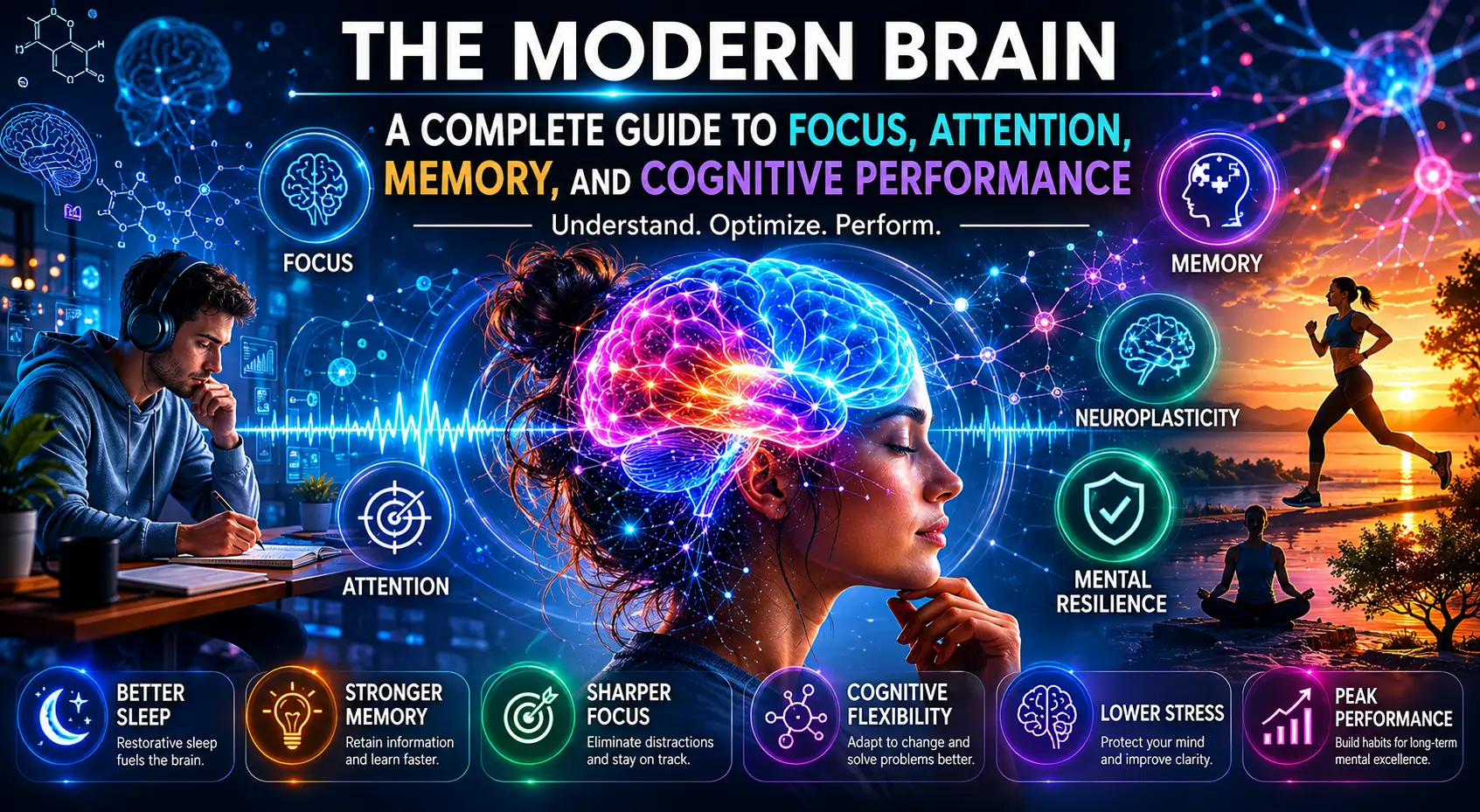
Modern life places unprecedented demands on the human brain. Notifications compete for attention. Information arrives faster than we can process it. Stress levels remain elevated while opportunities for deep focus
Modern life places unprecedented demands on the human brain. Notifications compete for attention. Information arrives faster than we can process it. Stress levels remain elevated while opportunities for deep focus
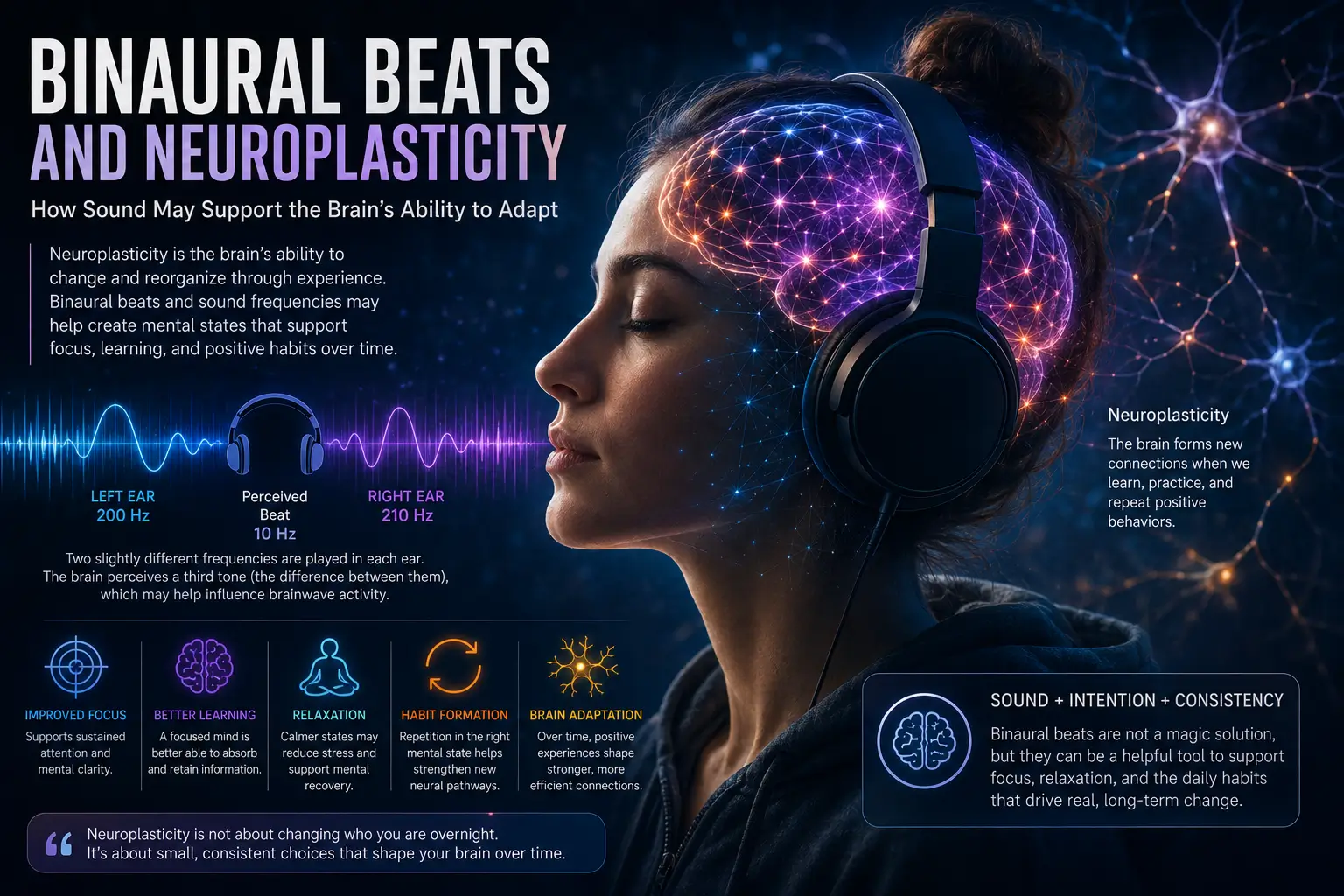
The human brain is not static. It constantly changes in response to experience, behavior, learning, attention, stress, and environment. This ability to adapt is known as neuroplasticity. In recent years,
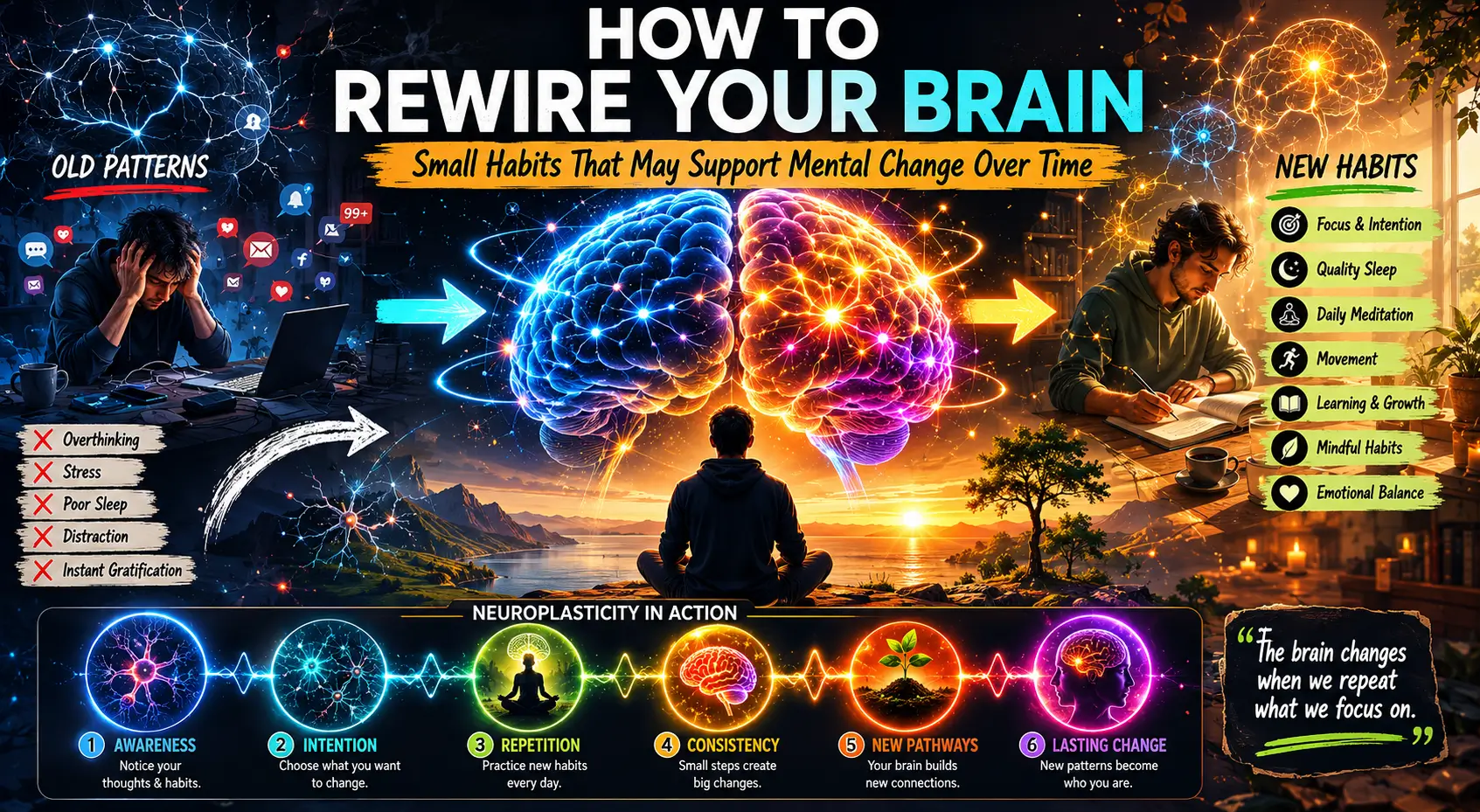
People often talk about changing their mindset as if transformation happens overnight. In reality, the brain usually changes much more gradually. Thought patterns, emotional reactions, attention habits, and daily behaviors
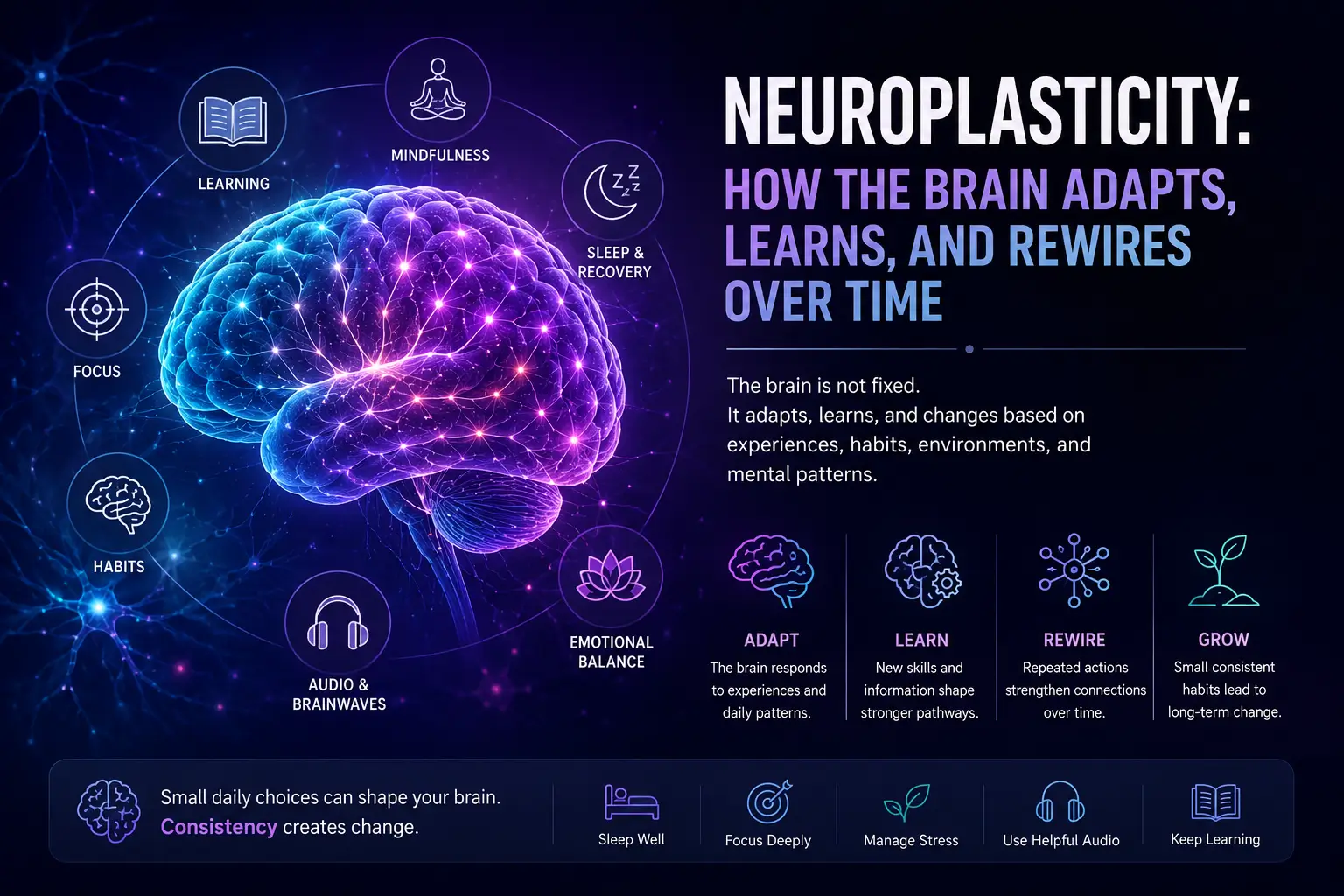
The human brain is not completely fixed. Throughout life, the brain continuously responds to experiences, habits, emotions, environments, and learning patterns. This ability to adapt and reorganize is commonly discussed
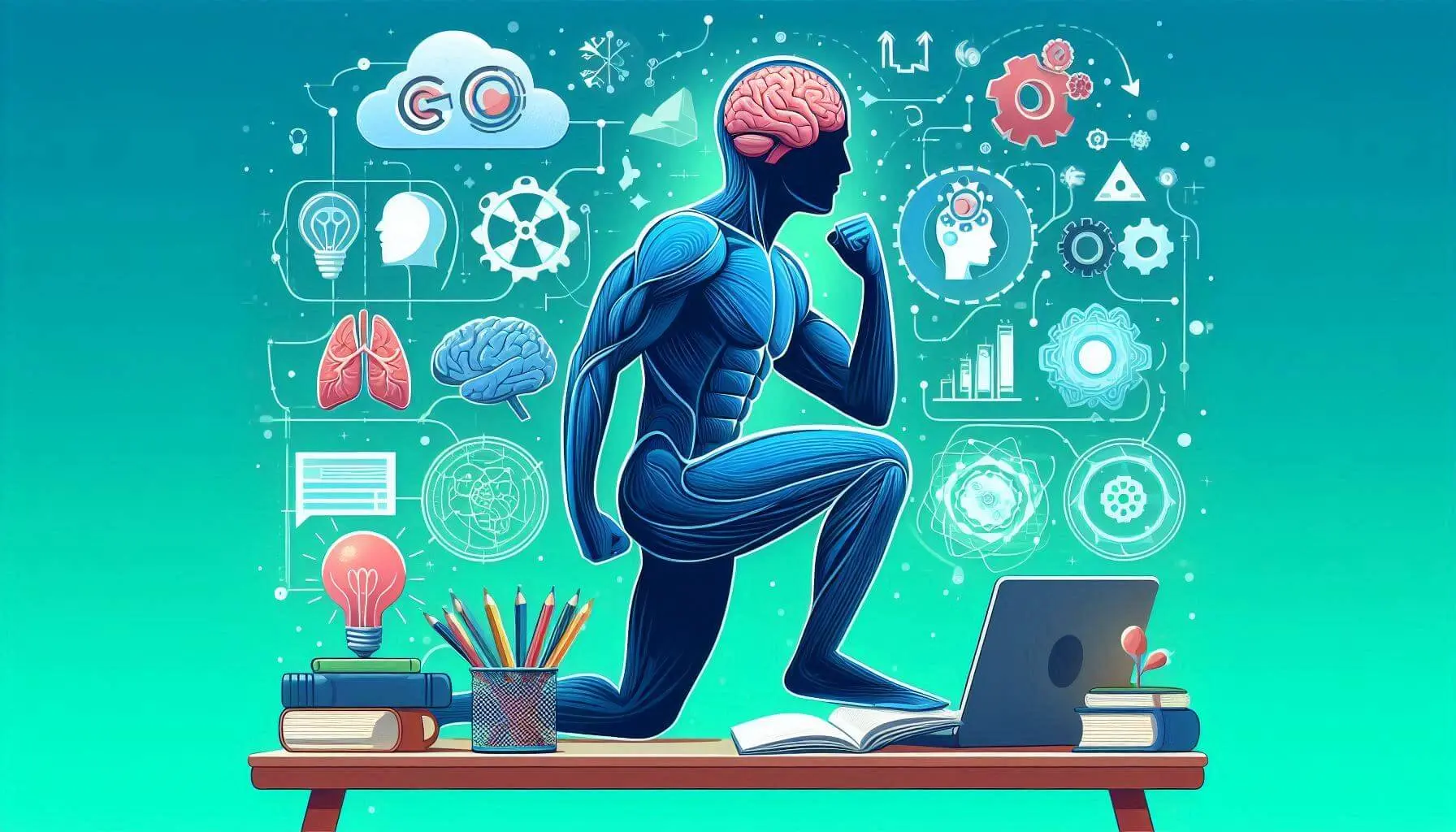
The modern world changes constantly. Information moves faster than ever. Attention shifts rapidly. People switch between tasks, apps, conversations, and environments all day long. In this kind of environment, one