
Now Reading: Stress, Anxiety, and the Brain: How Mental Overload Affects Focus and Recovery
-
01
Stress, Anxiety, and the Brain: How Mental Overload Affects Focus and Recovery
Stress, Anxiety, and the Brain: How Mental Overload Affects Focus and Recovery
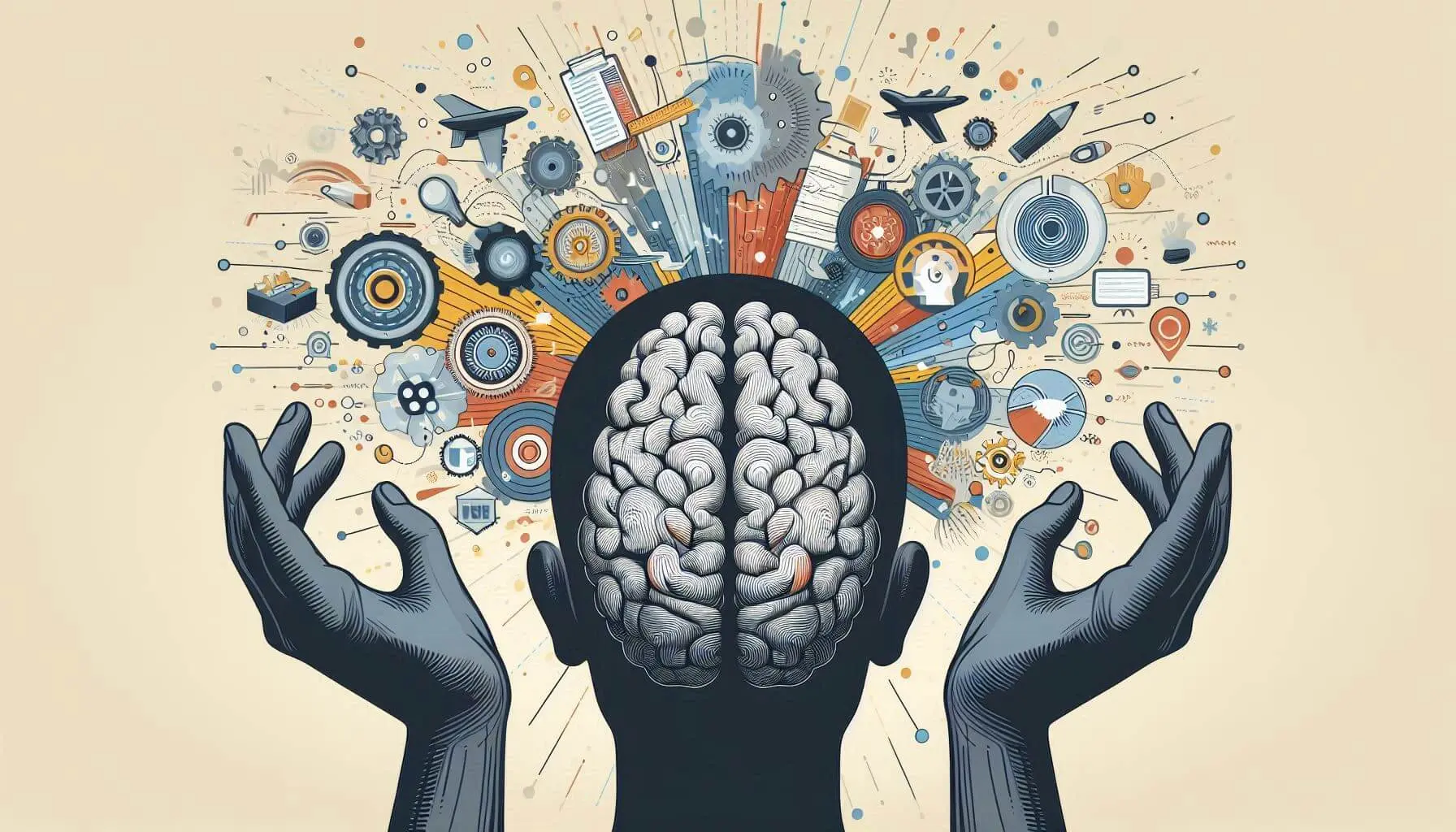
Modern life keeps the brain under constant pressure.
Notifications never stop.
Attention is fragmented.
Many people feel mentally “on” all day long.
Even during moments that should feel restful, the mind often continues racing in the background.
This is one reason stress and anxiety have become increasingly common topics in conversations about focus, sleep, attention, and mental health.
Stress itself is not automatically harmful.
The brain is designed to respond to challenges.
Short-term stress can even improve alertness and reaction speed.
The problem usually begins when mental overload becomes constant.
When the brain rarely has opportunities for recovery, concentration, emotional regulation, and cognitive clarity can gradually become more difficult.
⚡ What Happens to the Brain During Stress?
Stress activates the body’s survival systems.
When the brain perceives pressure, uncertainty, danger, or overload, it shifts attention toward vigilance and response.
This process involves multiple brain regions and nervous system responses.
In short bursts, this response can be useful.
It may increase:
- alertness,
- reaction speed,
- focus on immediate problems,
- and energy mobilization.
However, when stress becomes chronic, the brain may remain in a prolonged state of mental tension.
Over time, this can affect:
- attention,
- sleep quality,
- memory,
- mental recovery,
- and emotional balance.
🧠 Anxiety and Mental Overload
Anxiety often involves persistent anticipation, worry, or mental overactivation.
For many people, it feels less like a single emotion and more like constant background noise inside the mind.
Thoughts loop repeatedly.
The brain keeps scanning for problems.
Even quiet moments may feel mentally busy.
This ongoing mental activity can make deep focus harder to maintain because attention becomes divided between the present task and internal stress signals.
📱 Why Modern Life Intensifies Mental Stress
Modern environments create levels of stimulation the brain did not evolve to process continuously.
People now experience:
- endless information streams,
- constant notifications,
- social comparison,
- multitasking pressure,
- short attention cycles,
- and reduced quiet time.
As a result, many individuals rarely experience true mental stillness.
The nervous system remains activated for longer periods.
Over time, this can contribute to cognitive fatigue and emotional exhaustion.
🎯 How Stress Affects Focus and Attention
Stress and anxiety can significantly affect concentration.
Some common experiences include:
- difficulty staying focused,
- constant task switching,
- mental restlessness,
- forgetfulness,
- difficulty reading for long periods,
- or feeling mentally “scattered.”
When the brain remains overloaded, sustained attention often becomes harder to maintain.
This is one reason many people feel exhausted while simultaneously struggling to concentrate deeply.
🌙 Stress, Anxiety, and Sleep
Sleep and mental recovery are deeply connected.
Many people notice that stress becomes worse when sleep quality declines.
At the same time, anxiety itself can make restful sleep more difficult.
Racing thoughts, overstimulation, and constant mental activity may keep the brain active long after the body feels tired.
Related article: Sleep Waves Explained.
🧘 Why Calm Environments Matter
The brain responds strongly to environment.
Constant stimulation increases mental noise.
Calmer environments may support better recovery and concentration.
This is one reason some people intentionally create:
- quieter workspaces,
- reduced notification environments,
- mindfulness routines,
- breathing practices,
- or structured relaxation habits.
Recovery often depends less on “hacking” the brain and more on reducing unnecessary overload.
🎧 Sound Environments and Relaxation
Some individuals also use calming audio environments during focus or recovery sessions.
This may include:
- ambient sound,
- nature audio,
- meditation music,
- binaural beats,
- or slower rhythmic sound environments.
For some listeners, structured sound environments help reduce distraction and create a calmer mental atmosphere.
Some people also explore neuroacoustic audio environments designed to support focus, relaxation, and mental recovery routines.
These tools are generally most useful when combined with healthier daily habits and realistic expectations.
📵 Reducing Cognitive Overload
Many people underestimate how much attention fragmentation affects mental energy.
Helpful recovery habits may include:
- reducing unnecessary notifications,
- taking breaks from constant media consumption,
- avoiding multitasking overload,
- creating periods of quiet focus,
- improving sleep consistency,
- and allowing the brain more recovery time.
Small changes in daily environment can sometimes reduce more mental strain than complicated productivity systems.
🧠 The Brain Needs Recovery Too
People often treat the brain as though it should operate at maximum intensity all day long.
But cognitive recovery matters just as much as productivity.
Attention, emotional regulation, learning, and mental clarity all depend on periods of rest and recalibration.
Without recovery, mental fatigue accumulates.
And eventually, even simple tasks may begin to feel overwhelming.
🚫 Common Misunderstandings
❌ “Stress Is Always Bad”
Short-term stress responses can sometimes improve alertness and performance.
The bigger problem is prolonged overload without recovery.
❌ “The Brain Should Always Be Productive”
Constant stimulation and nonstop productivity expectations often increase mental exhaustion.
❌ “One Tool Instantly Fixes Anxiety”
Mental well-being is influenced by many factors including sleep, environment, lifestyle, recovery habits, and stress management.
🌿 Building Healthier Mental Habits
Improving mental balance often begins with reducing unnecessary overload.
This may involve:
- creating calmer environments,
- protecting focus time,
- improving recovery habits,
- reducing digital overstimulation,
- and giving the brain more opportunities to rest.
Consistency matters more than perfection.
Small daily habits often shape mental well-being more than extreme short-term changes.
🧠 Final Thoughts
Stress and anxiety are deeply connected to how the brain processes overload, uncertainty, attention, and recovery.
In highly connected environments, many people rarely experience enough mental quiet for proper cognitive recovery.
While stress itself is a normal part of life, constant overstimulation can gradually affect focus, sleep, attention, and emotional balance.
The brain does not always need more stimulation.
Sometimes it needs fewer interruptions, calmer environments, and more opportunities to recover.
And in a world built around nonstop attention demands, protecting mental recovery may become one of the most important cognitive habits of all.
Related Articles
Related Posts


Stay Informed With the Latest & Most Important News