
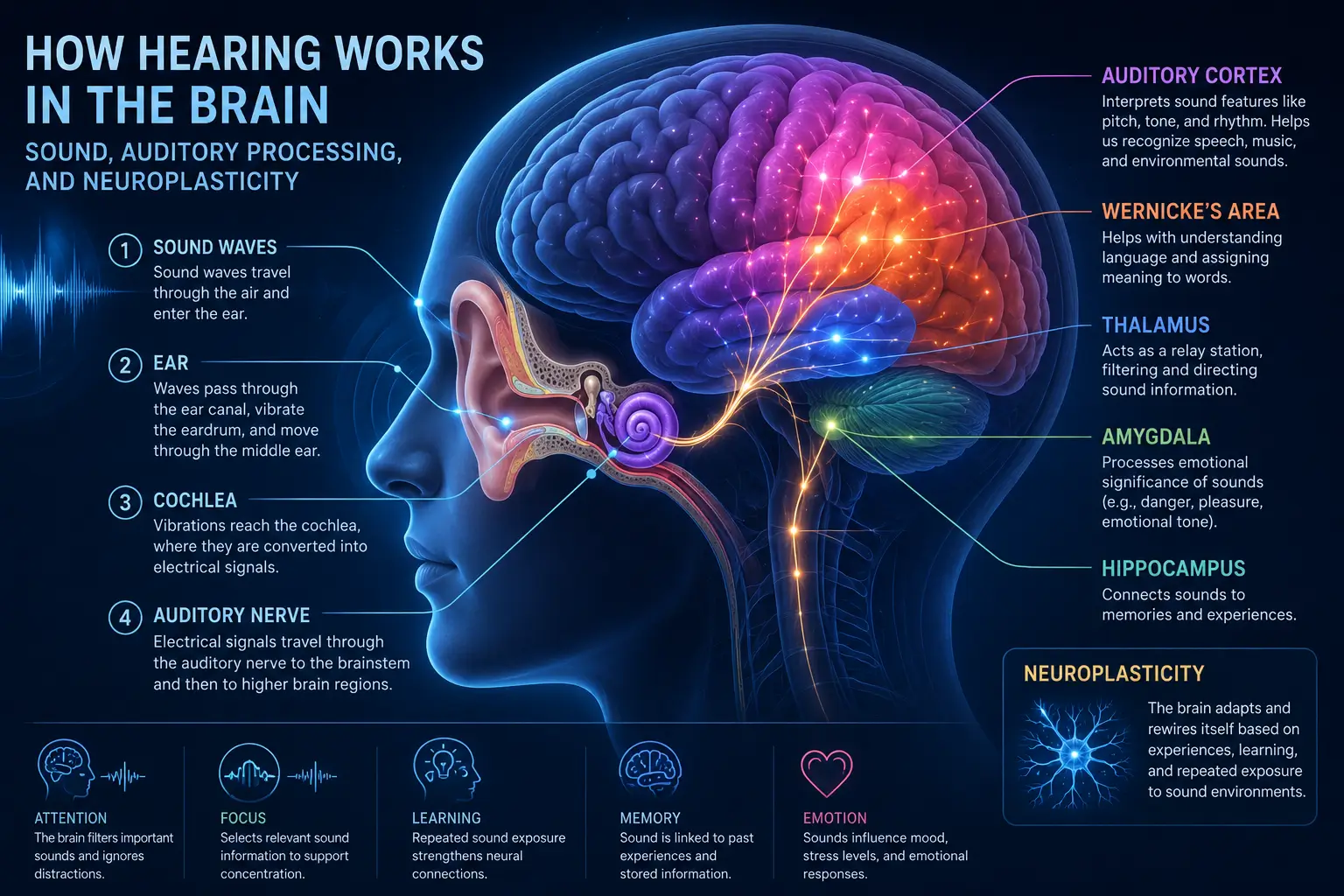
Most people assume hearing happens entirely inside the ears. In reality, the ears are only the starting point. The actual experience of hearing is created by the brain. Every sound
Learn how neuroscience, neuroplasticity, brainwave activity, attention, memory, and cognitive performance connect to mental clarity, focus, productivity, and long-term brain health.
This category focuses on the science of the brain, mental performance habits, cognitive recovery, and practical ways to support sharper thinking.
Most people assume hearing happens entirely inside the ears. In reality, the ears are only the starting point. The actual experience of hearing is created by the brain. Every sound
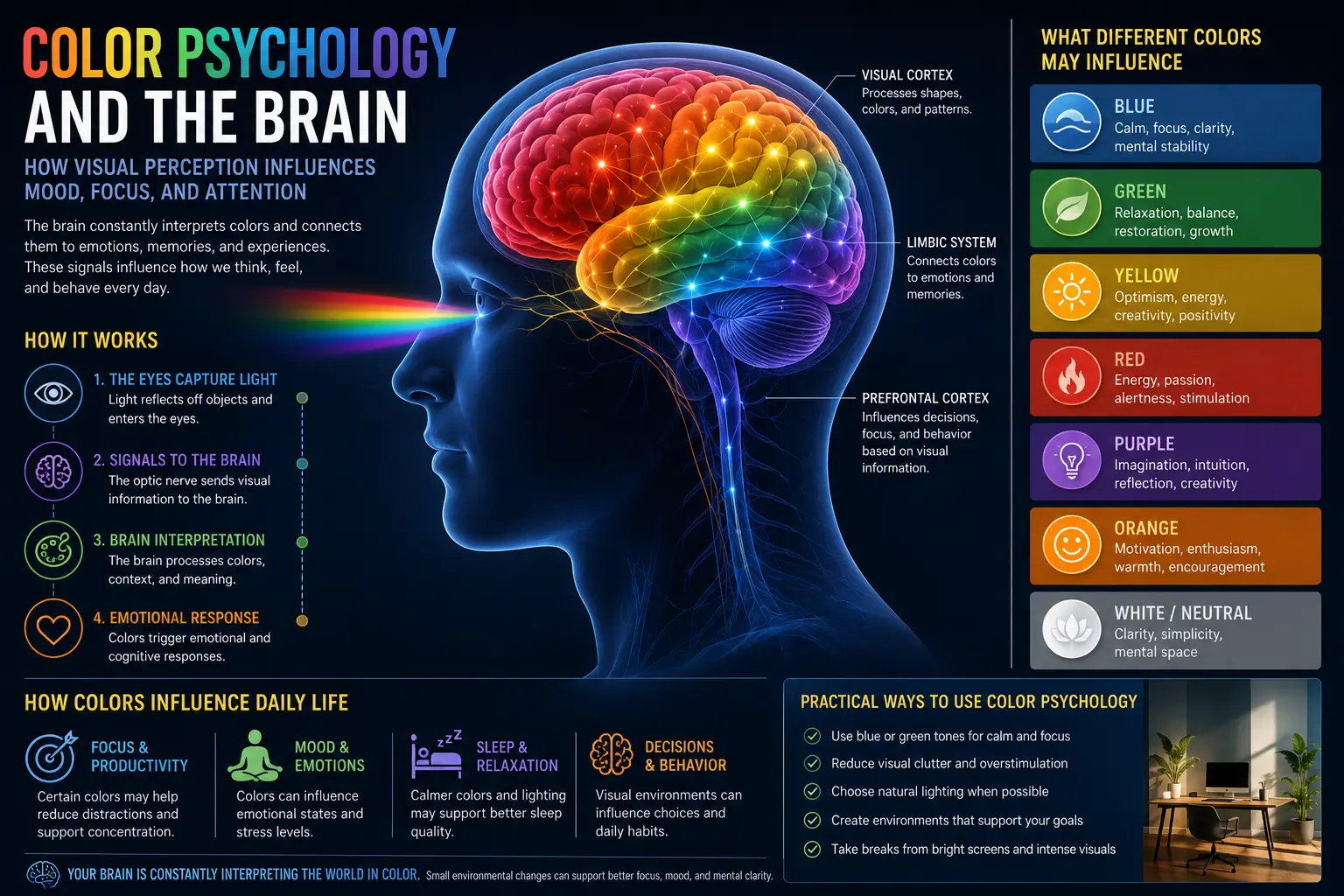
Colors affect people more than most realize. From digital screens and social media interfaces to lighting, branding, workspaces, and natural environments, the brain constantly processes visual information throughout the day.
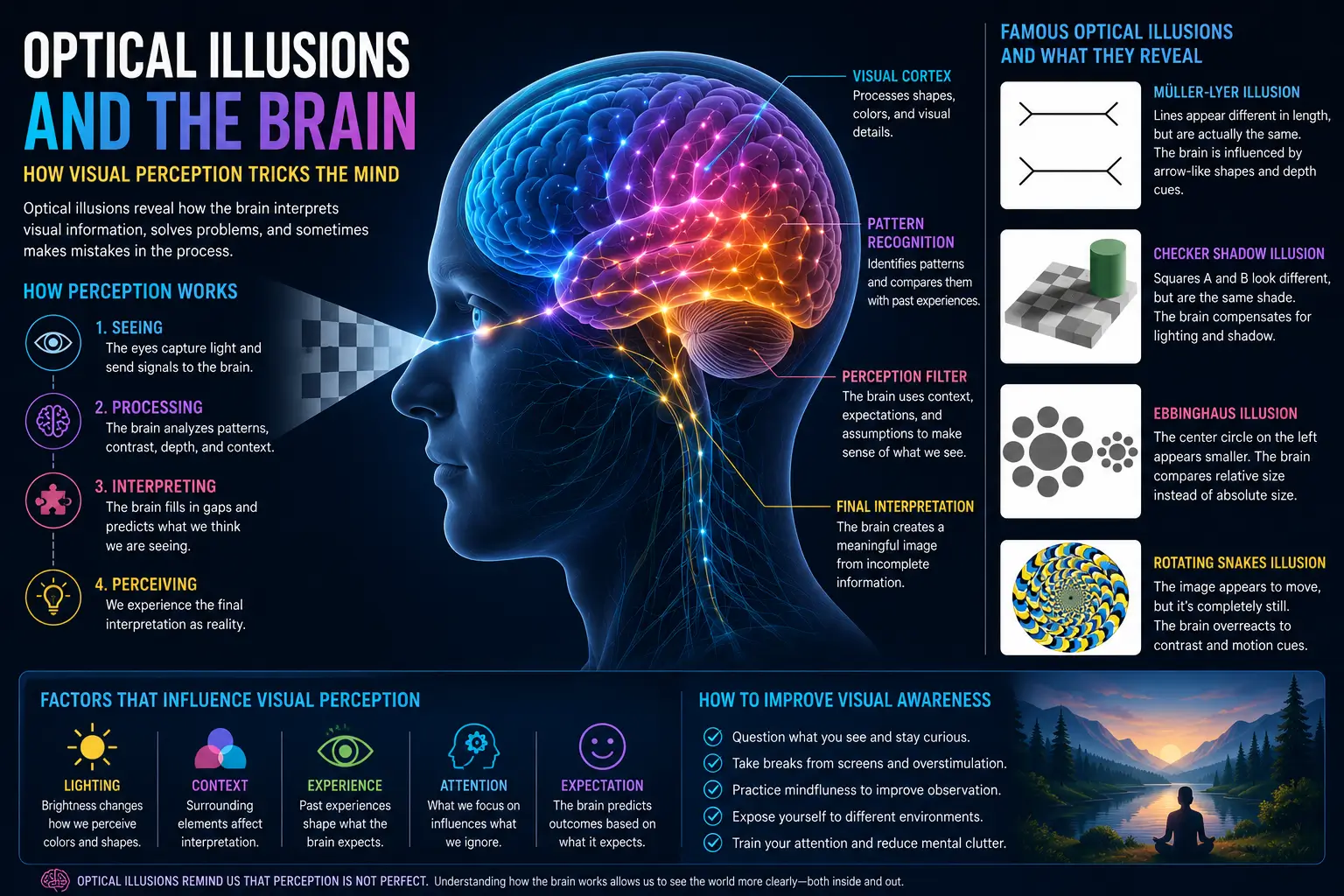
Human perception is not as objective as most people assume. The brain constantly interprets visual information, fills missing gaps, filters details, and creates internal models of reality. In many situations,
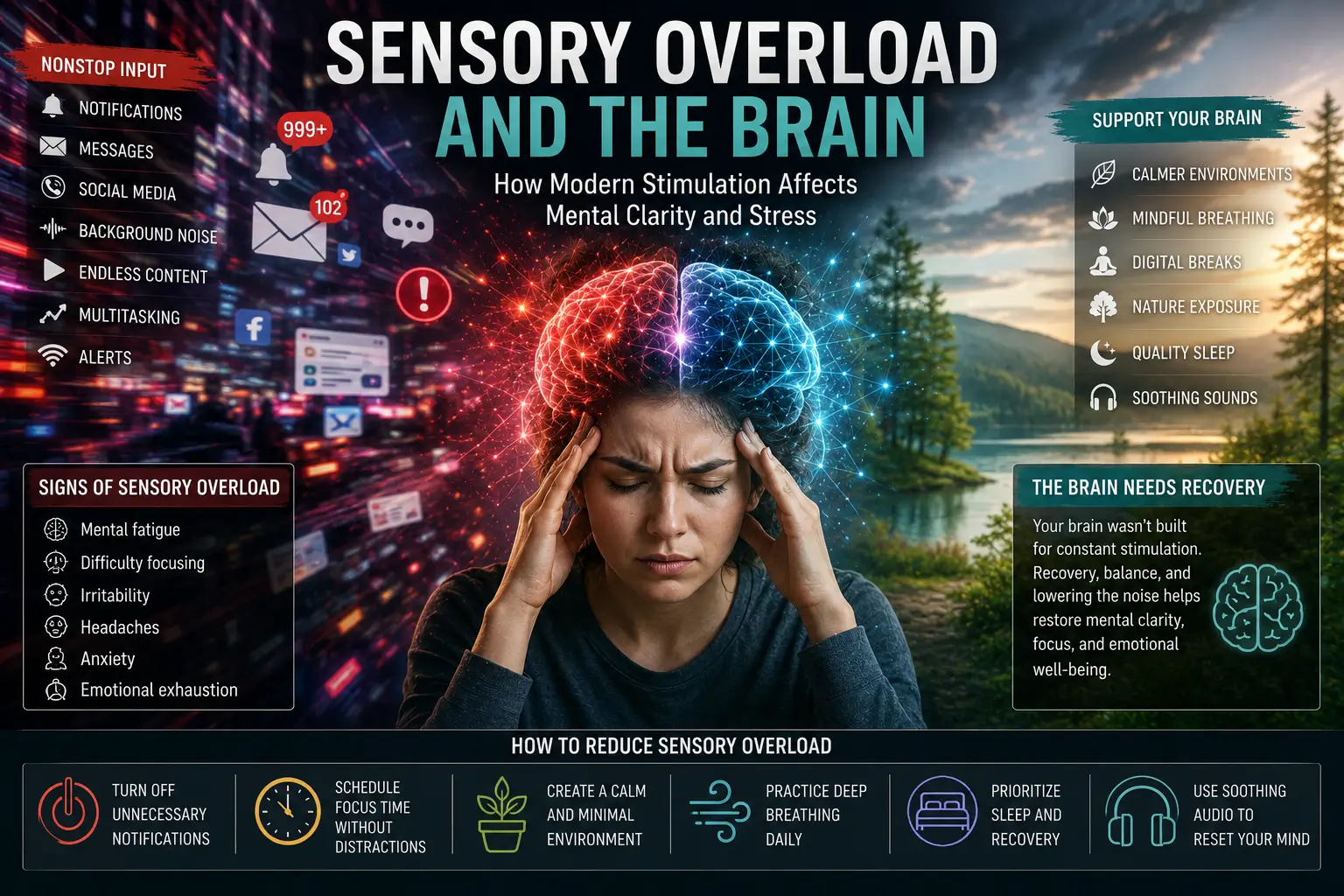
Maybe the human brain was never designed for modern life. For most of human history, the nervous system evolved in relatively quiet environments compared to today’s nonstop digital stimulation. Now
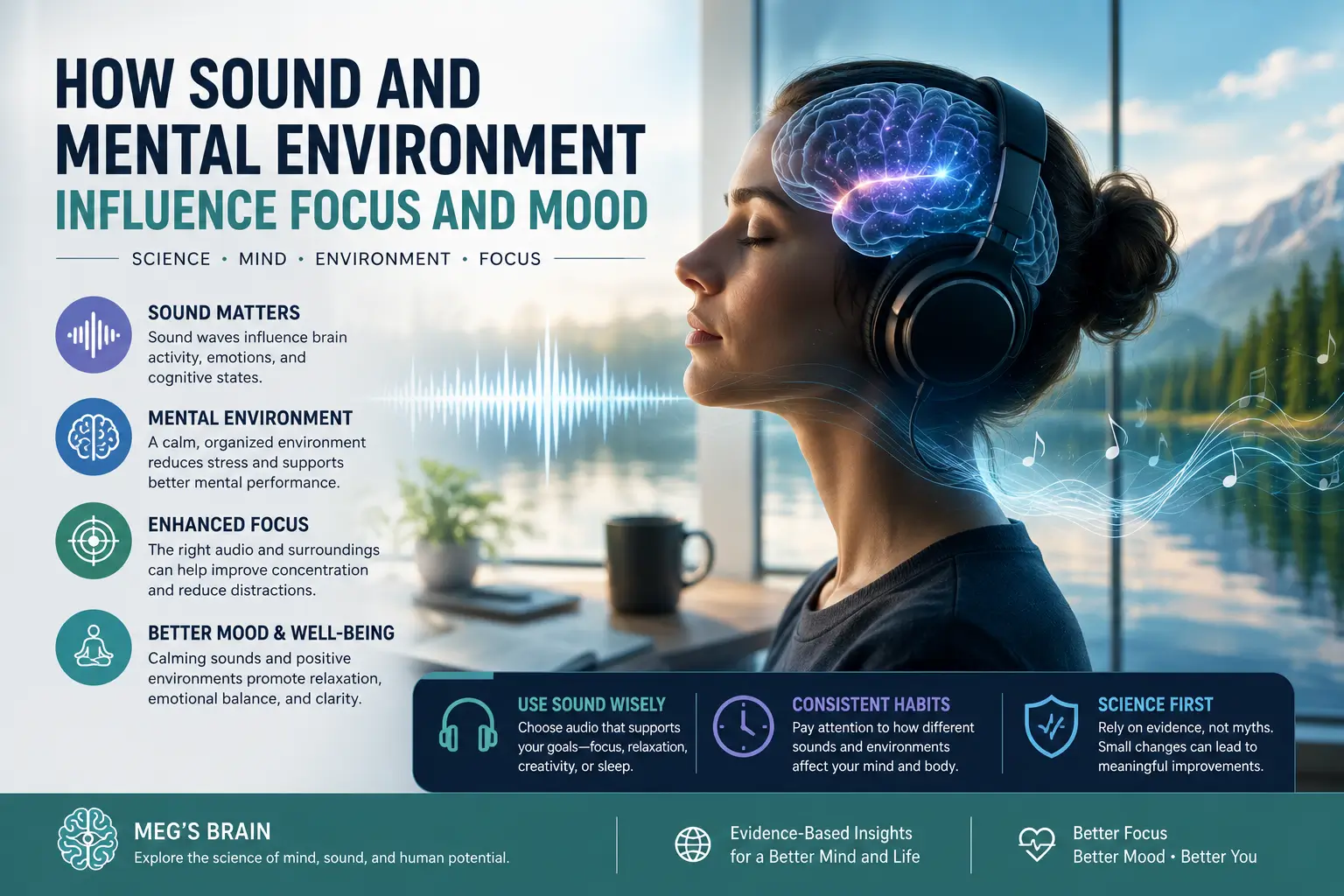
Modern life constantly competes for human attention. Notifications, multitasking, background noise, and digital overload can all influence: concentration, emotional balance, cognitive clarity, and mental fatigue. As a result, growing numbers
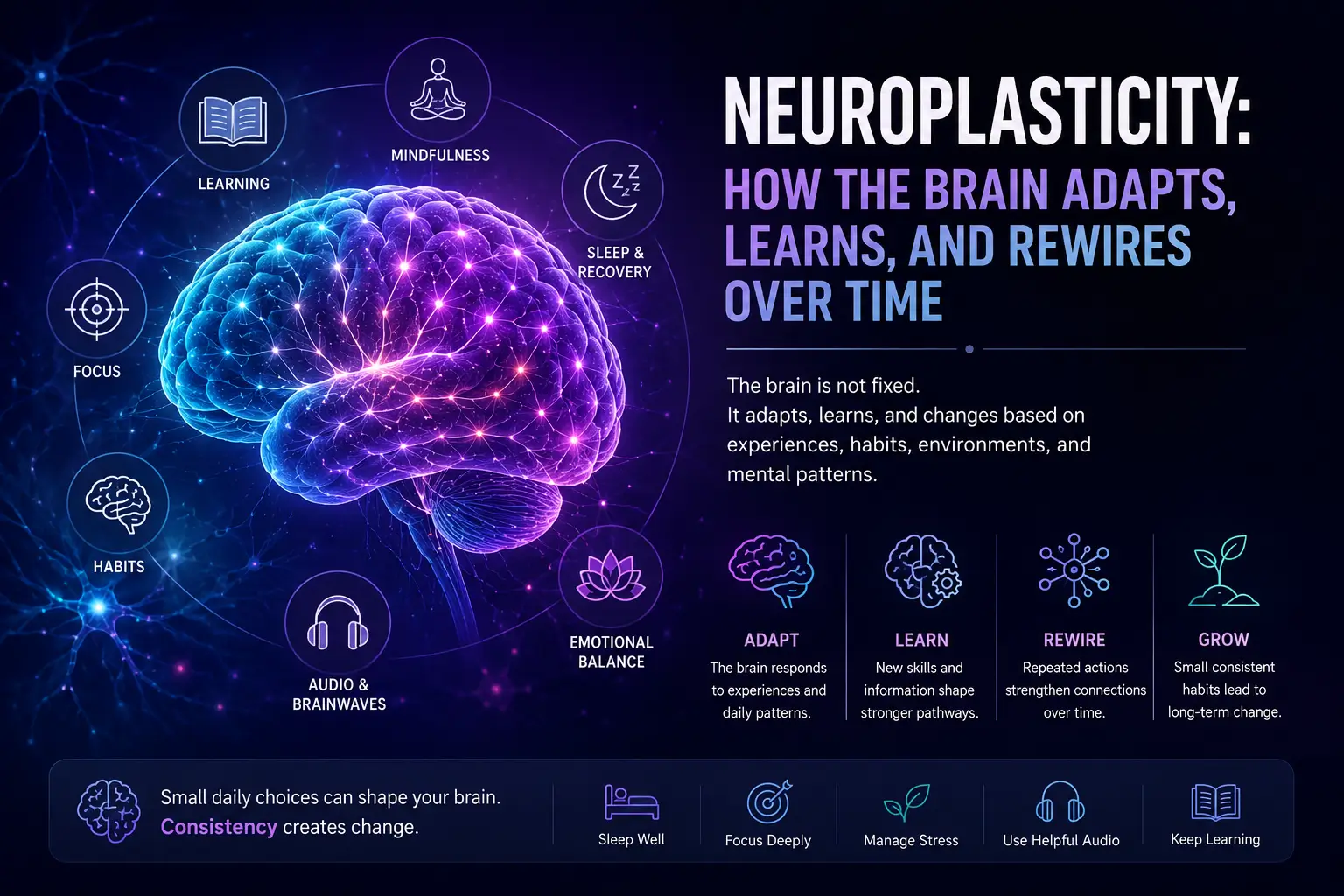
The human brain is not completely fixed. Throughout life, the brain continuously responds to experiences, habits, emotions, environments, and learning patterns. This ability to adapt and reorganize is commonly discussed
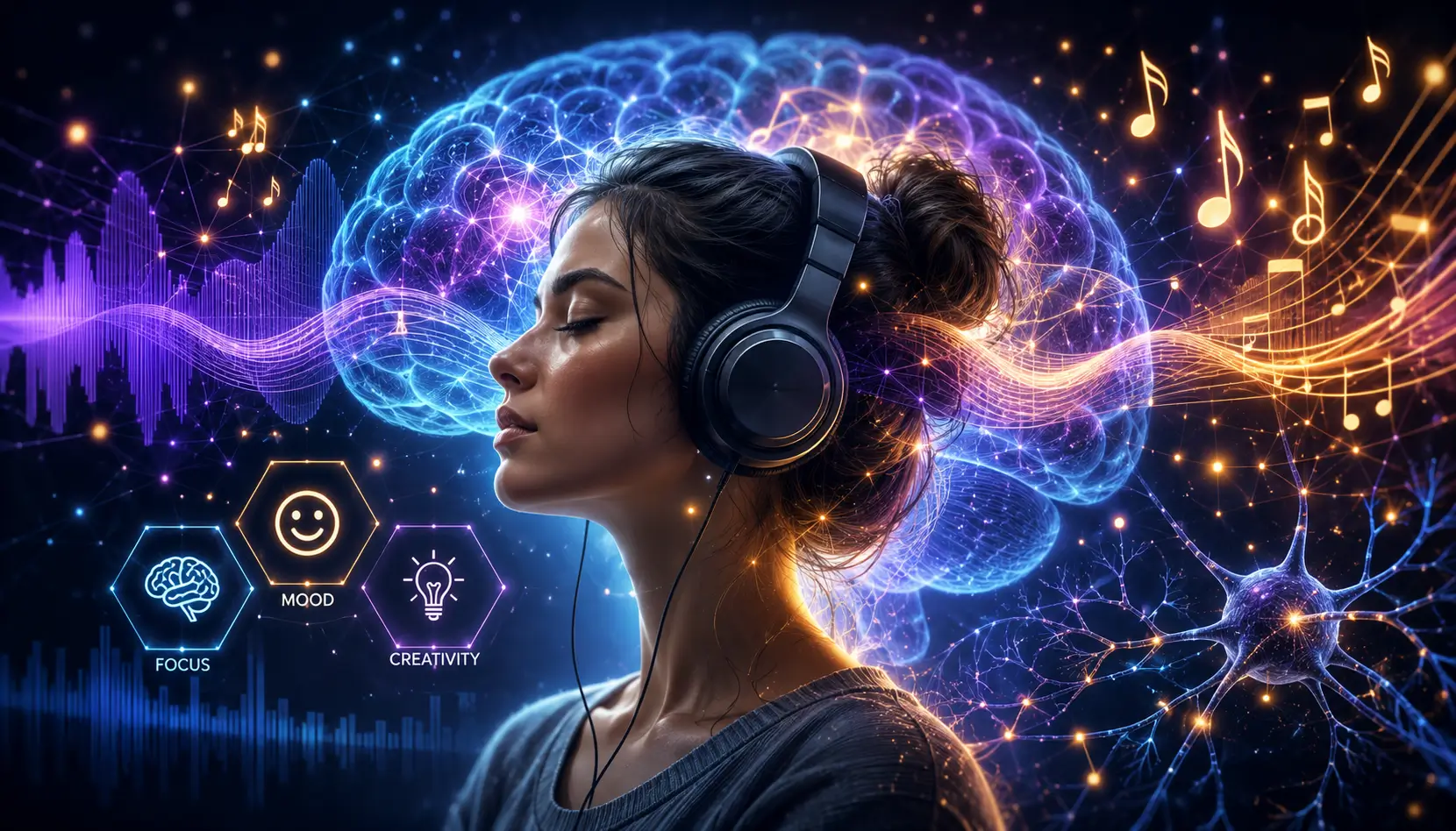
Music affects people in deeply emotional and psychological ways. A single song can sometimes: improve focus, shift mood, trigger memories, increase motivation, or create a calming atmosphere. This is one
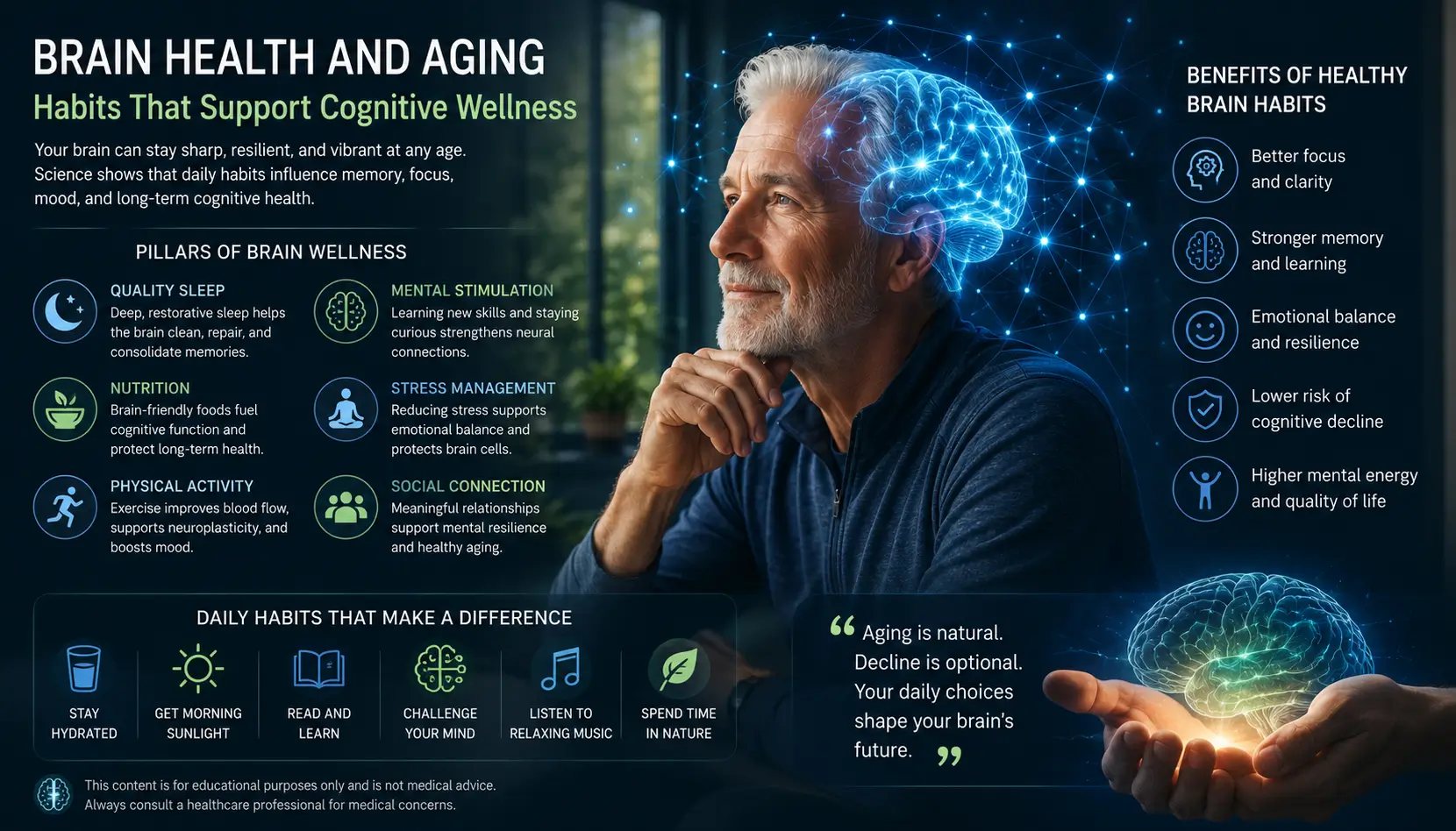
🧠 Why Brain Health Matters as We Age The brain changes naturally over time. Memory, attention, processing speed, and mental energy can all be influenced by aging, lifestyle habits, stress
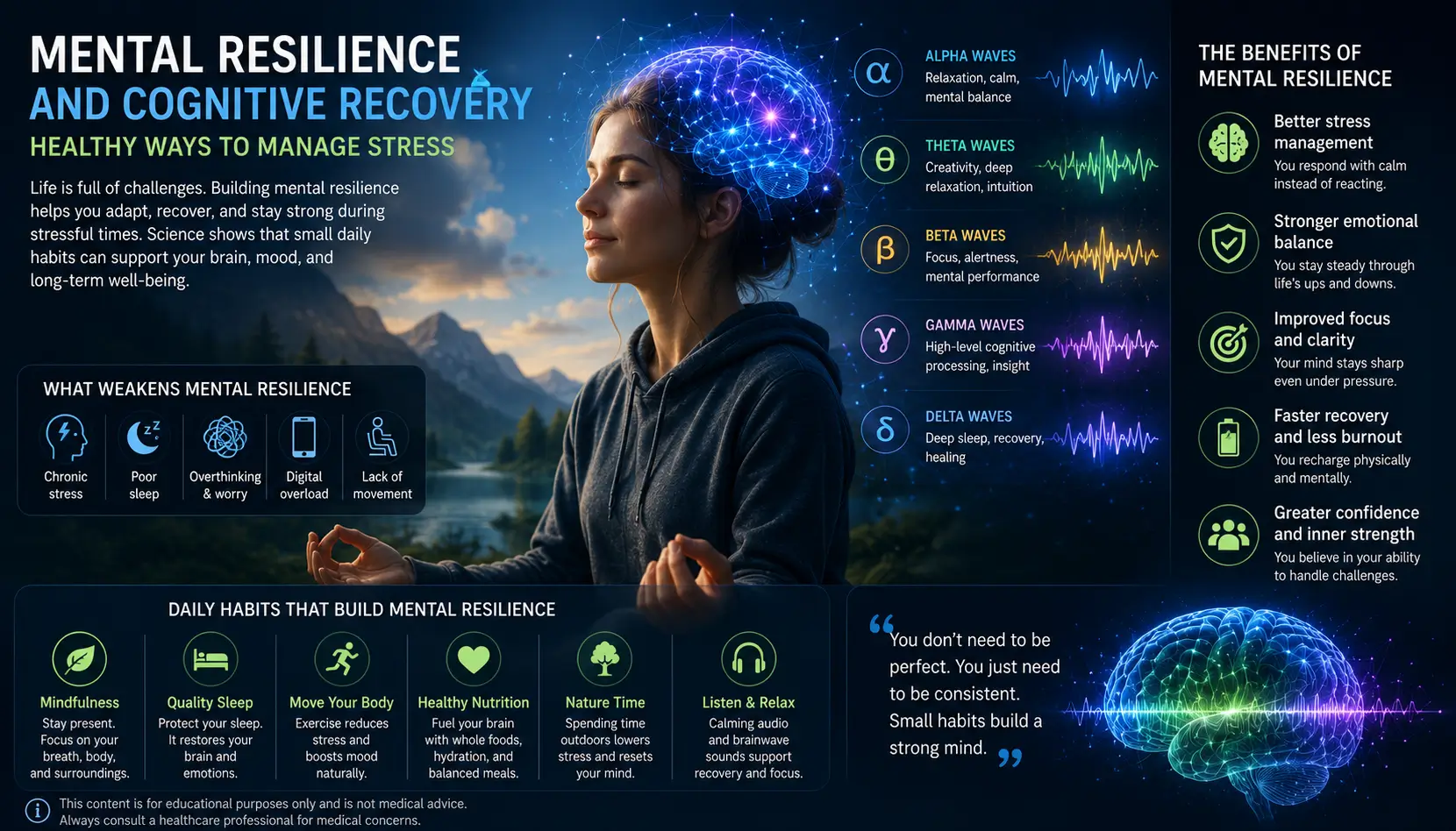
🧠 What Is Mental Resilience? Mental resilience refers to the ability to adapt, recover, and continue functioning during stressful or emotionally difficult periods. Resilience does not mean ignoring stress or
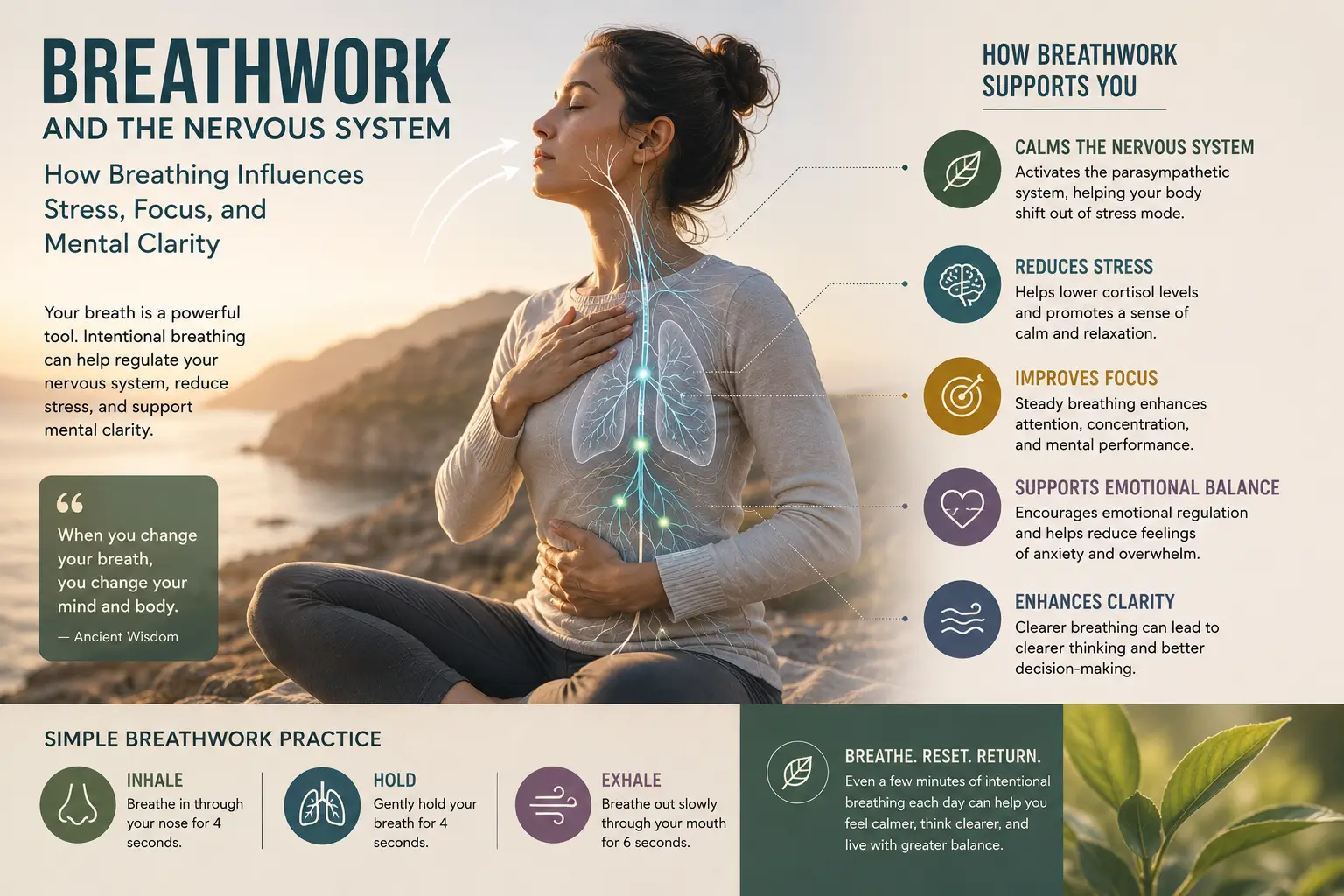
Most people breathe automatically without thinking about it. However, breathing patterns may influence far more than oxygen intake alone. Modern research increasingly explores how breathing affects: stress regulation, attention, mental