
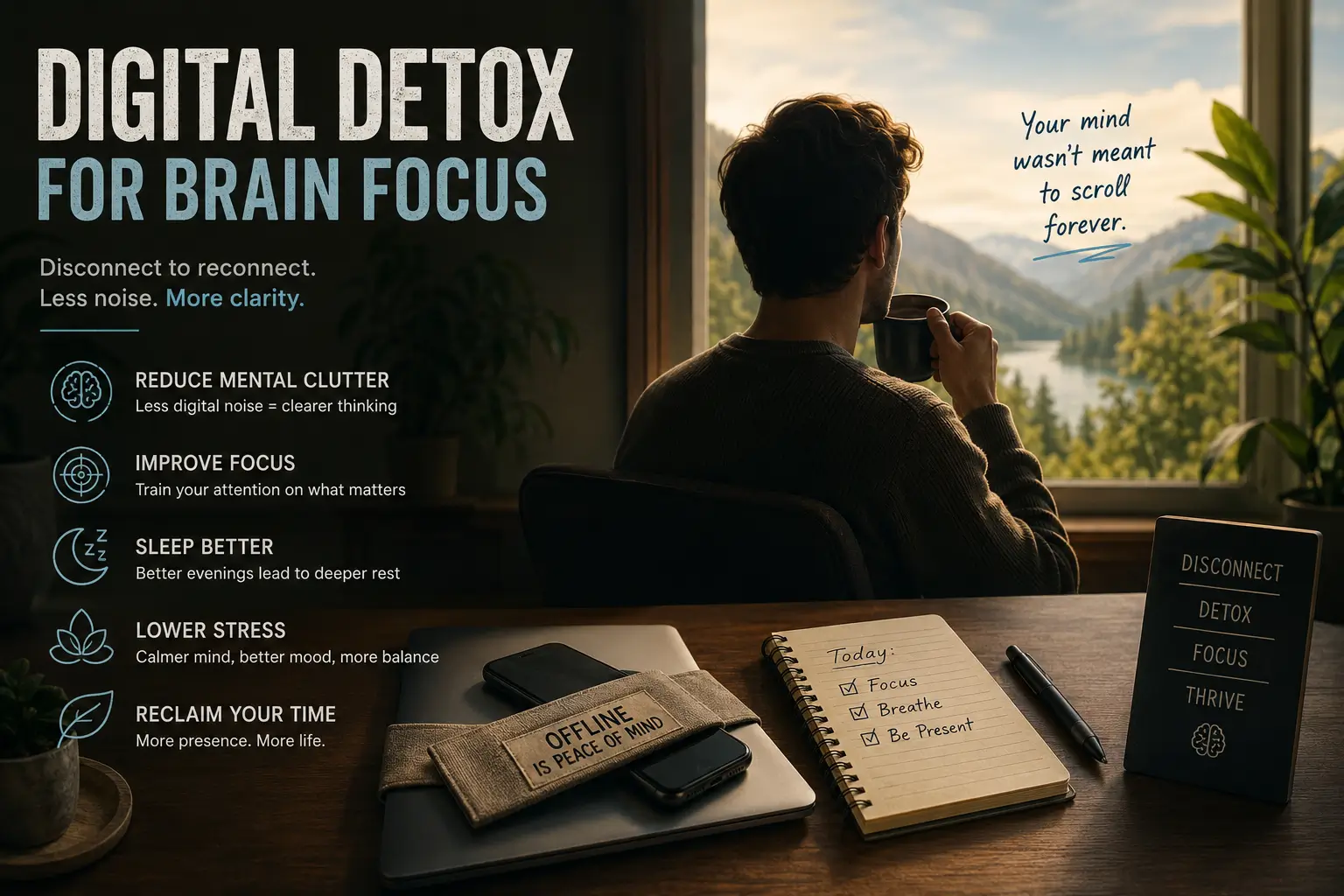
Modern attention is under constant pressure. Phones vibrate. Notifications appear every few minutes. Social feeds refresh endlessly. Videos autoplay before the brain has time to pause. Even moments of silence
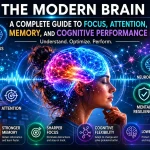
Learn how neuroscience, neuroplasticity, brainwave activity, attention, memory, and cognitive performance connect to mental clarity, focus, productivity, and long-term brain health.
This category focuses on the science of the brain, mental performance habits, cognitive recovery, and practical ways to support sharper thinking.
Modern attention is under constant pressure. Phones vibrate. Notifications appear every few minutes. Social feeds refresh endlessly. Videos autoplay before the brain has time to pause. Even moments of silence
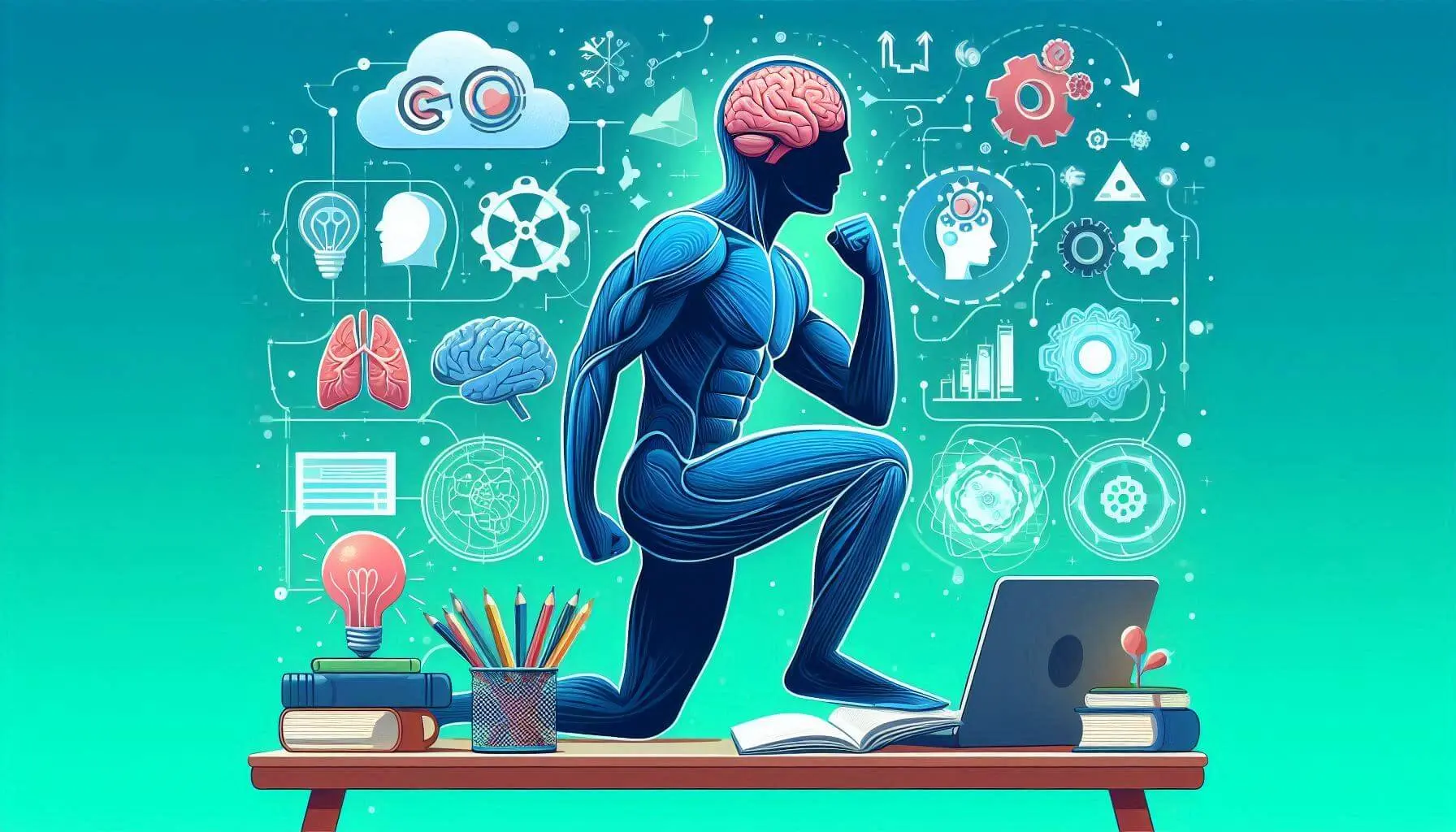
The modern world changes constantly. Information moves faster than ever. Attention shifts rapidly. People switch between tasks, apps, conversations, and environments all day long. In this kind of environment, one
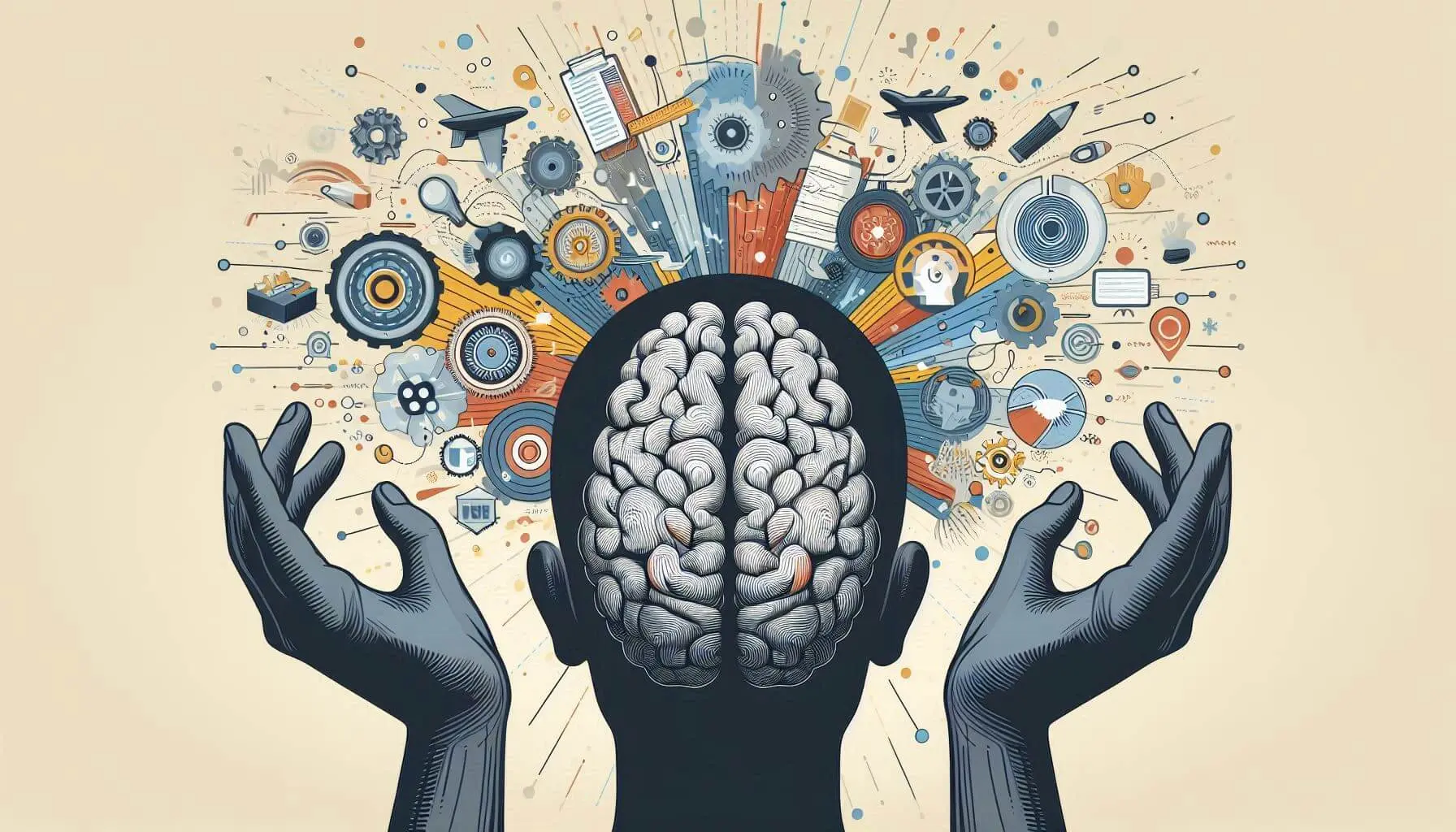
Modern life keeps the brain under constant pressure. Notifications never stop. Attention is fragmented. Many people feel mentally “on” all day long. Even during moments that should feel restful, the
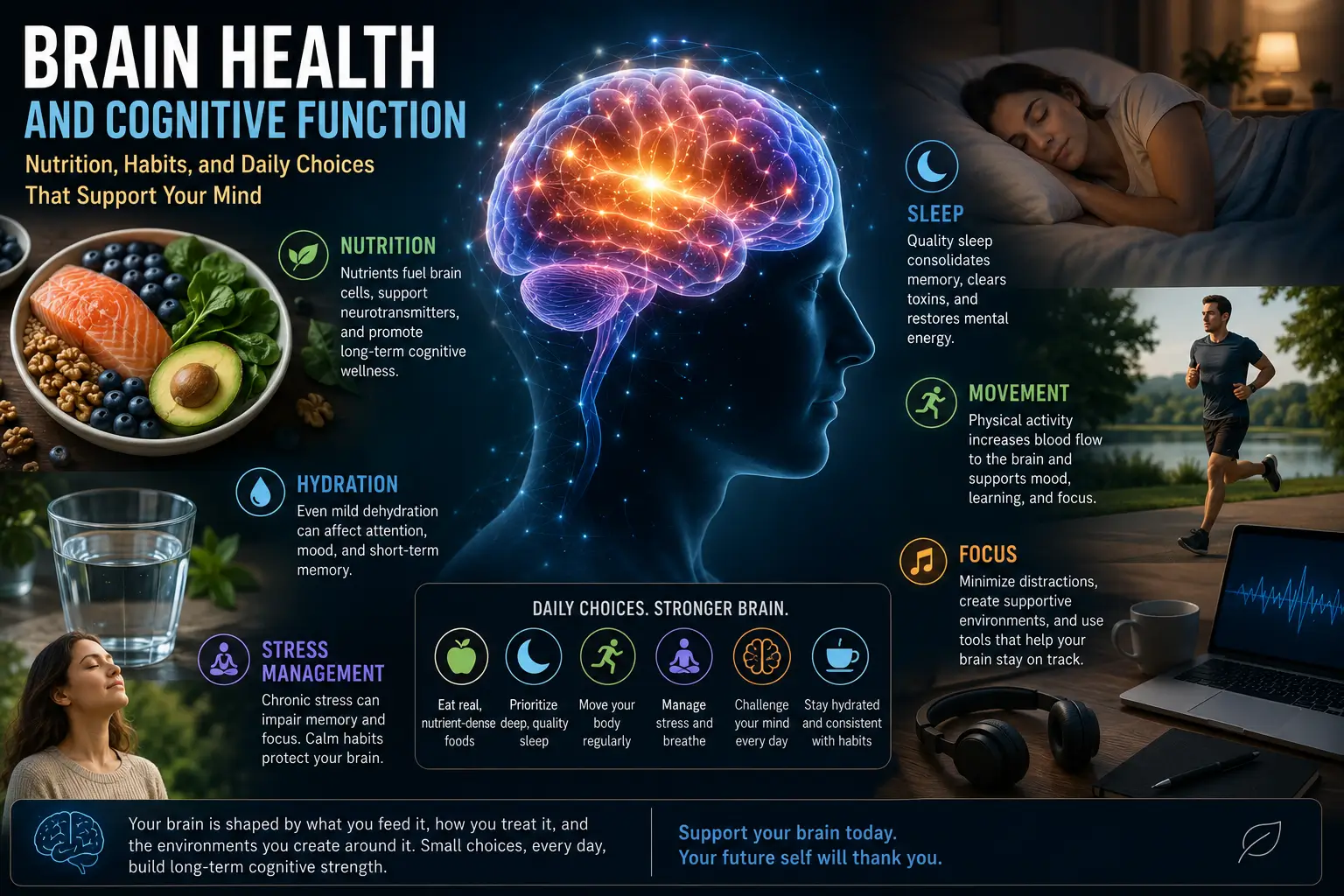
Brain health is not built from one habit. It is shaped slowly by sleep, nutrition, stress, movement, attention, recovery, and the environments people live in every day. That may sound
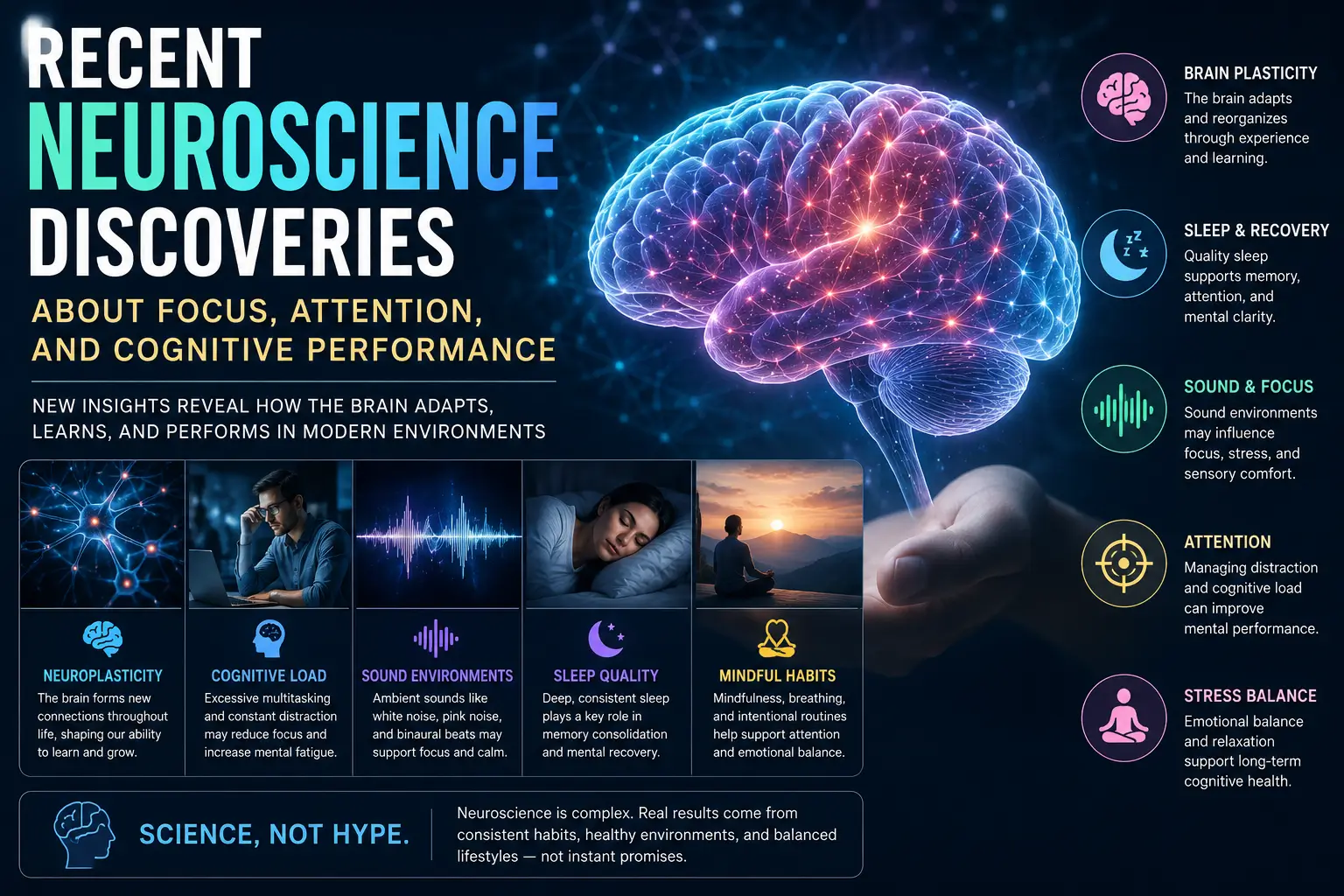
Neuroscience continues revealing how attention, sensory processing, stress, and environment influence human cognition. Modern research increasingly explores how the brain responds to: distraction, multitasking, sleep quality, sensory overload, emotional stress,
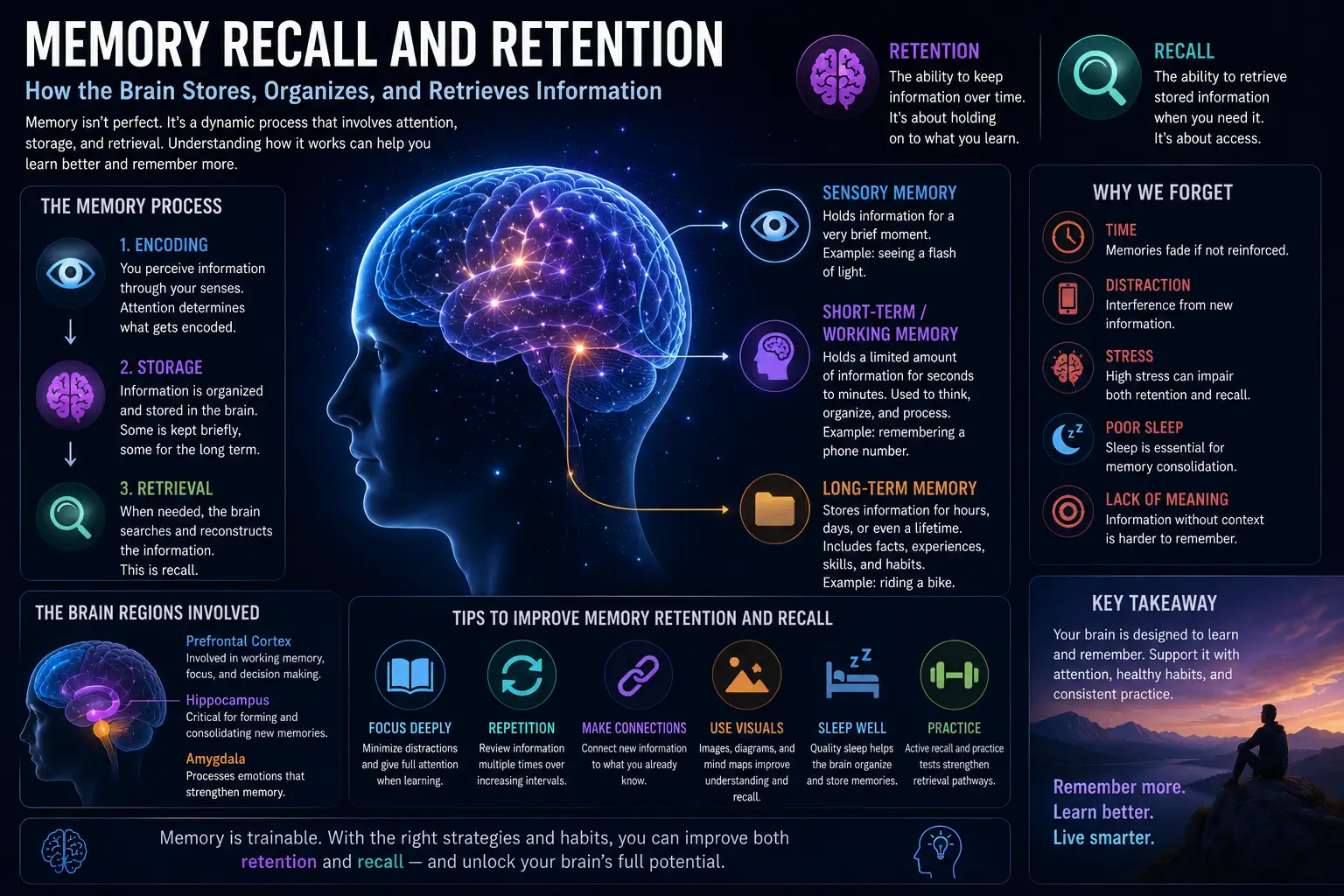
People often think memory works like a filing cabinet. Information goes in, stays neatly organized, and can be retrieved whenever needed. The reality is far more complex. Memory is not
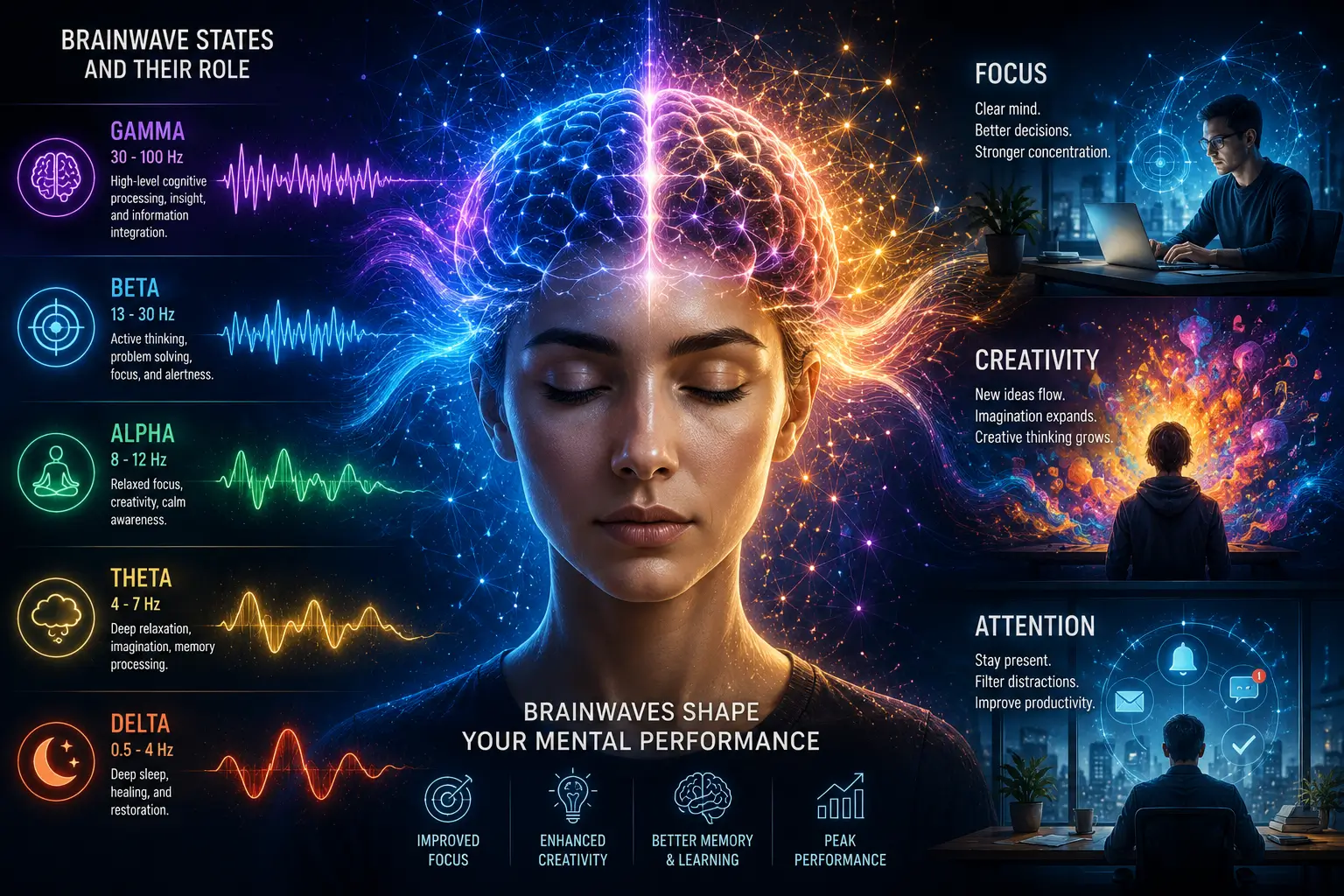
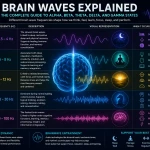
The human brain is constantly active. Every thought, emotion, memory, and decision involves electrical activity moving through networks of neurons. These electrical patterns are often grouped into what researchers call:
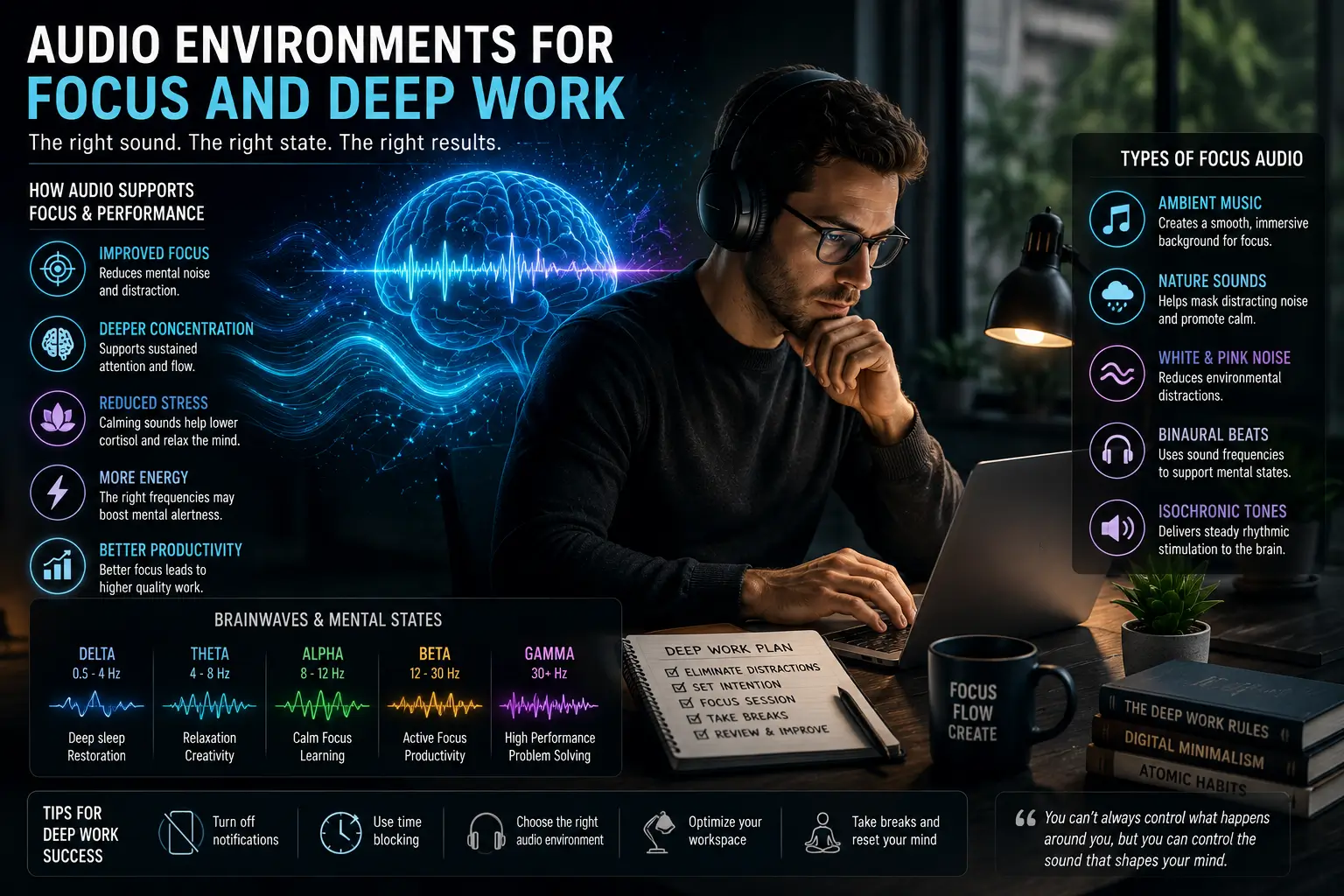
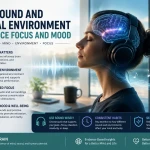
Maintaining deep focus has become increasingly difficult. Modern digital life constantly interrupts attention through: notifications, multitasking, background noise, and endless information streams. As a result, many people search for ways

Memory plays a major role in everyday life. Whether studying, working, learning new skills, or simply trying to stay mentally organized, many people look for ways to support: concentration, recall,

The internet is full of claims about “brain training audio.” Some people describe these sound systems as powerful cognitive tools capable of improving: focus, memory, creativity, relaxation, and mental clarity.