
Now Reading: Brain Training Audio: Can Sound Really Improve Focus and Mental Clarity?
-
01
Brain Training Audio: Can Sound Really Improve Focus and Mental Clarity?
Brain Training Audio: Can Sound Really Improve Focus and Mental Clarity?
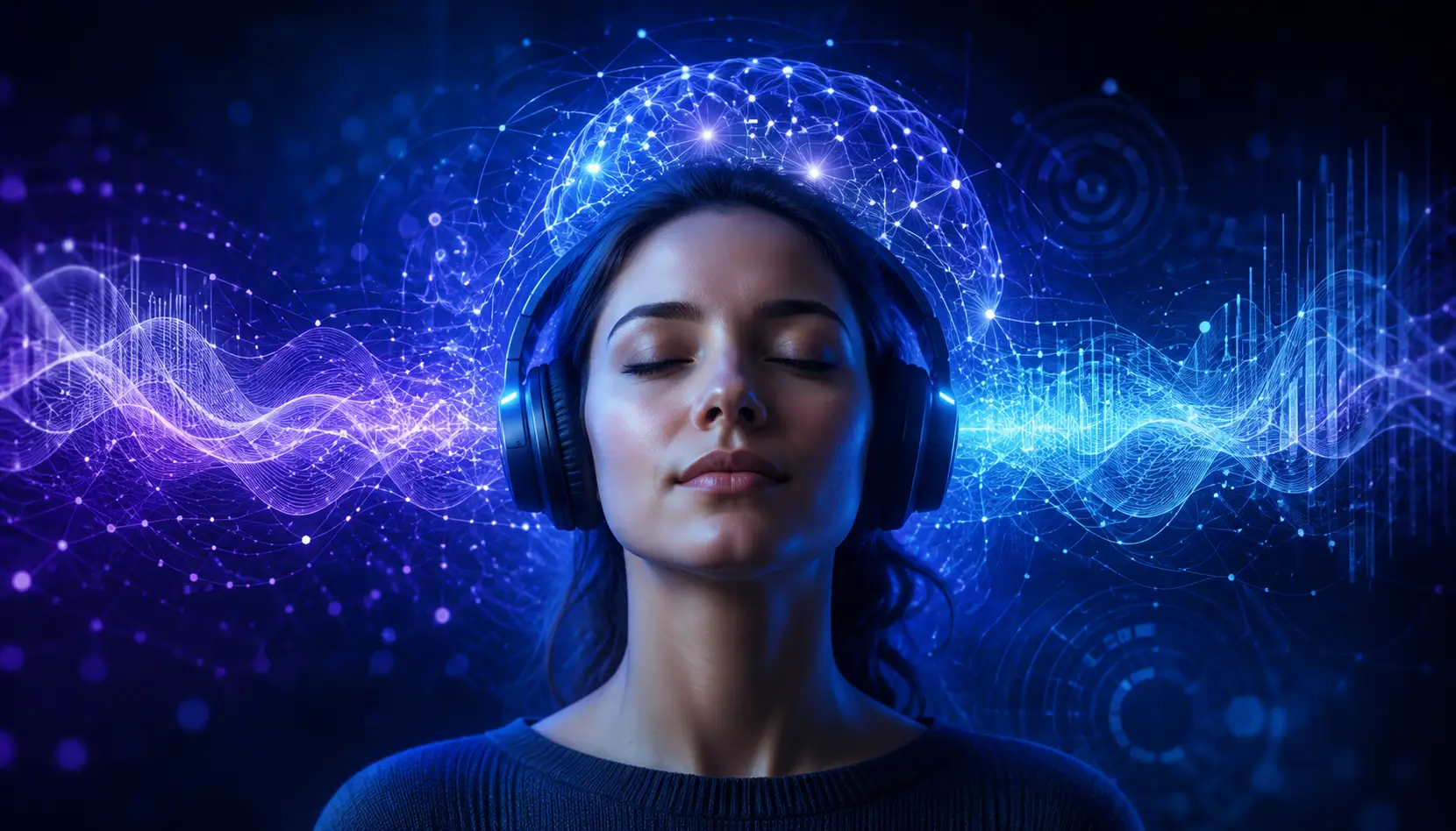
The internet is full of claims about “brain training audio.”
Some people describe these sound systems as powerful cognitive tools capable of improving:
- focus,
- memory,
- creativity,
- relaxation,
- and mental clarity.
Others dismiss them entirely as placebo.
So what does science actually say?
The truth is somewhere in between.
While some exaggerated marketing claims should be approached carefully, research does suggest that sound environments may influence mood, attention, relaxation, and cognitive states under certain conditions.
The important distinction is understanding what brain training audio realistically can — and cannot — do.
🧠 What Is Brain Training Audio?
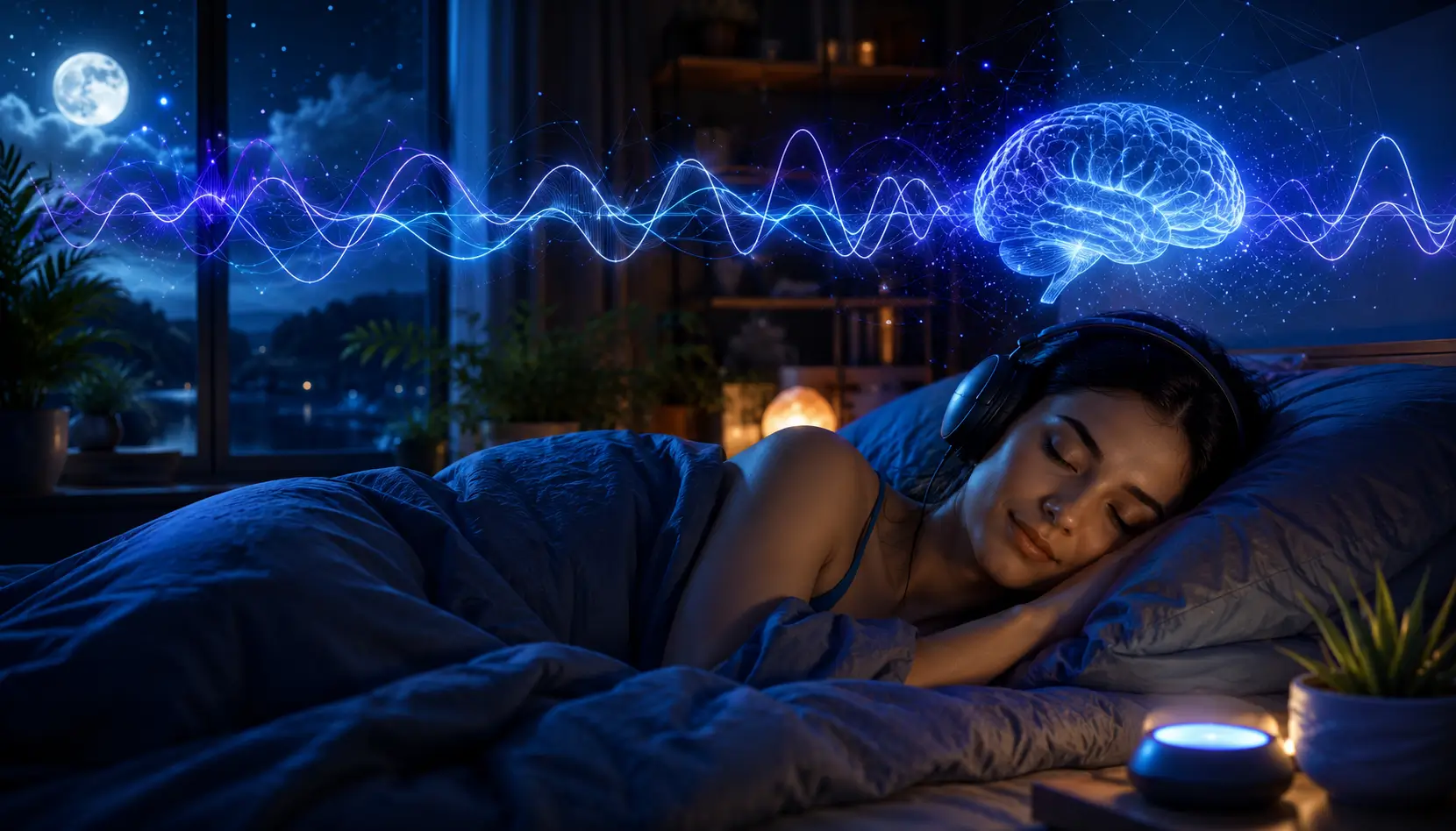
Brain training audio refers to sound-based systems designed to influence mental states or support cognitive performance.
These systems may include:
- binaural beats,
- isochronic tones,
- ambient focus soundscapes,
- rhythmic auditory stimulation,
- meditation audio,
- or neuroacoustic listening environments.
The goal is usually not “mind control.”
Instead, most systems attempt to encourage mental conditions associated with:
- calmness,
- sustained attention,
- relaxation,
- or creative focus.
Some people use these audio environments while:
- studying,
- meditating,
- working,
- journaling,
- or decompressing after stress.
🌊 How Brainwave Entrainment Works
One of the most discussed concepts in this space is:
brainwave entrainment.
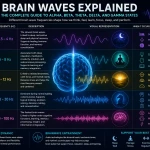
The brain naturally produces electrical activity patterns commonly grouped into ranges such as:
- Delta
- Theta
- Alpha
- Beta
- Gamma
Different mental states are often associated with different patterns of activity.
For example:
- Alpha waves are commonly linked to relaxed focus
- Theta activity may appear during meditation or creativity
- Beta states are associated with active concentration
Some brain training audio systems use rhythmic sound pulses intended to encourage the brain toward certain states through sensory synchronization.
This process is often referred to as entrainment.
However, scientific findings remain mixed, and responses vary significantly between individuals.
🔬 What Science Actually Supports
Research suggests that music and rhythmic auditory stimulation may influence:
- emotional regulation,
- stress response,
- concentration,
- and relaxation under certain conditions.
Some studies involving binaural beats have observed modest effects related to:
- anxiety reduction,
- focus support,
- or meditative states.
However, many exaggerated online claims go far beyond current scientific evidence.
There is currently no strong proof that brain training audio can:
- instantly raise intelligence,
- permanently unlock hidden abilities,
- or dramatically transform cognition overnight.
Further reading:
https://www.ncbi.nlm.nih.gov/pmc/articles/PMC10198548/
https://www.frontiersin.org/articles/10.3389/fnhum.2019.00425/full
This distinction matters because modern wellness culture often mixes:
- neuroscience,
- productivity,
- spirituality,
- and marketing language together.
☁️ Why Some People Still Find These Systems Helpful
Even without extreme claims, many listeners still report positive experiences with brain training audio.
Why?
Because sound strongly influences human perception and emotional state.
The brain naturally responds to:
- rhythm,
- repetition,
- atmosphere,
- sensory texture,
- and emotional association.
Calming sound environments may help reduce external mental noise and create conditions that feel more supportive for focus or relaxation.
This is especially appealing in modern environments filled with:
- notifications,
- multitasking,
- constant stimulation,
- and fragmented attention.
🎧 Brain Training Audio vs Background Music
Not all audio environments work the same way.
Standard background music is usually designed primarily for entertainment.
Brain training audio systems often attempt to create more structured listening experiences through:
- rhythmic layering,
- frequency balancing,
- ambient pacing,
- and repetitive stimulation patterns.
Some listeners explore neuroacoustic listening programs that combine binaural stimulation with relaxation-focused sound design rather than relying entirely on mystical marketing claims.
🧩 The Psychology Behind Audio and Focus
One important factor is expectation.
If someone associates a sound environment with:
- calmness,
- focus,
- meditation,
- or productivity,
their nervous system may respond more positively during the experience.
This does not necessarily mean the sound contains magical properties.
Human cognition is deeply influenced by:
- context,
- emotional state,
- sensory interpretation,
- and habit formation.
That’s one reason why consistent listening rituals sometimes feel psychologically meaningful even when effects are subtle.
⚠️ Common Myths About Brain Training Audio
Myth:
“Brain training audio instantly increases IQ.”
Reality:
There is no strong evidence supporting dramatic intelligence enhancement claims.
Myth:
“Certain frequencies permanently unlock hidden brain abilities.”
Reality:
Most of these claims are speculative and heavily exaggerated online.
Myth:
“Brainwave audio replaces healthy lifestyle habits.”
Reality:
Sleep, stress management, nutrition, movement, and focus habits remain far more important for long-term cognitive health.
🧘 Practical Ways to Use Brain Training Audio
If you enjoy focus-oriented or relaxation audio:
- use it during study or deep work sessions,
- avoid unrealistic expectations,
- experiment with different sound styles,
- reduce distractions beforehand,
- and focus on consistency rather than instant results.
Many people use these sound environments simply as tools for creating calmer mental conditions during mentally demanding routines.
Final Thoughts
Brain training audio exists in a space between neuroscience, wellness culture, and personal experience.
Some online claims are exaggerated.
Others may contain partial truth mixed with marketing hype.
But sound environments can still feel psychologically valuable for many people — especially when used realistically.
The healthiest perspective is probably this:
Audio may support focus, relaxation, and mental routines without needing supernatural explanations to feel meaningful.
Related Articles
- Do Binaural Beats Really Work?
- Ultimate Guide to Brainwave Entrainment
- Binaural Beats for Anxiety Relief
- Emotional Healing Frequencies
👉 Related read: The Science Behind Isochronic Tones: How Sound Shapes the Brain’s Focus for more insights on brainwave focus and mental clarity.

Stay Informed With the Latest & Most Important News
Previous Post
Next Post