
Now Reading: Brain Health and Aging: Habits That Support Cognitive Wellness
-
01
Brain Health and Aging: Habits That Support Cognitive Wellness
Brain Health and Aging: Habits That Support Cognitive Wellness

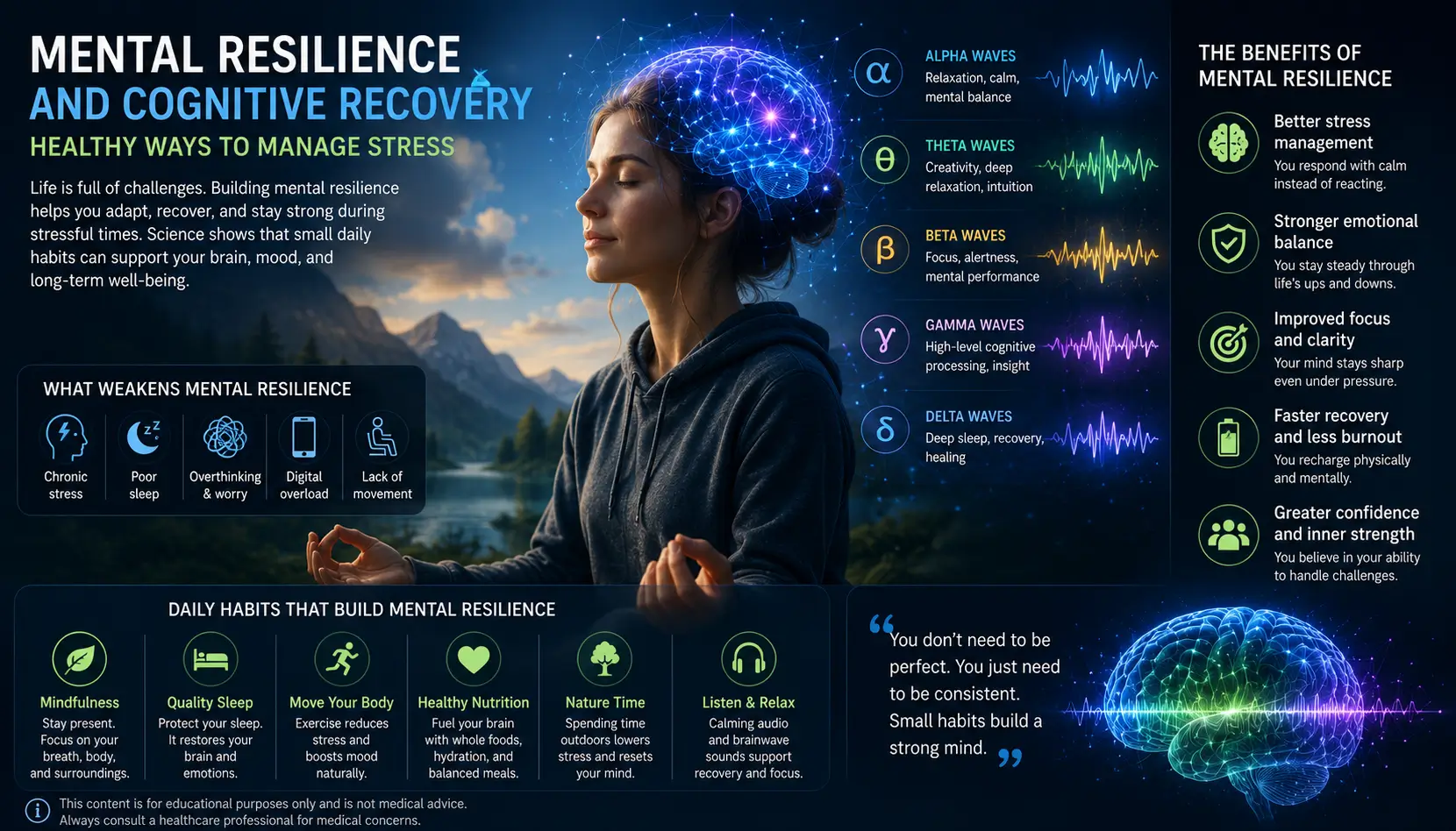
🧠 Why Brain Health Matters as We Age
The brain changes naturally over time.
Memory, attention, processing speed, and mental energy can all be influenced by aging, lifestyle habits, stress levels, and overall health.
Although occasional forgetfulness is common, many people are now exploring ways to support long-term cognitive wellness through healthier daily routines.
Modern neuroscience increasingly emphasizes prevention and lifestyle-based brain support rather than quick-fix “brain hacks.”
Related guide:
The Science of Brain Waves
🌙 Sleep and Cognitive Recovery
Sleep is one of the most important factors affecting long-term brain health.
During sleep, the brain continues performing critical functions connected to:
- Memory processing
- Nervous system recovery
- Emotional regulation
- Cognitive restoration
Poor sleep quality over time may contribute to:
- Mental fatigue
- Reduced concentration
- Brain fog
- Attention problems
- Mood instability
This is one reason many brain wellness discussions focus heavily on healthy sleep routines.
Related reading:
Which Brain Waves Help You Sleep?
🥗 Nutrition and Brain Function
The brain requires significant energy to function properly.
Healthy eating patterns may help support:
- Attention
- Mental clarity
- Stable energy levels
- Long-term cognitive function
Hydration also plays an important role in concentration and mental performance.
Although no specific food can instantly improve intelligence, balanced nutrition remains an important part of overall cognitive wellness.
🏃 Physical Activity and Mental Clarity
Exercise supports far more than physical fitness.
Regular movement may also help support:
- Blood circulation
- Stress reduction
- Mood balance
- Cognitive performance
- Sleep quality
Even moderate daily movement can positively influence mental energy and emotional well-being.
This is one reason many neuroscience and wellness experts emphasize consistent physical activity for healthy aging.
📱 Cognitive Overload and Modern Stress
Modern digital life constantly competes for attention.
Notifications, multitasking, information overload, and chronic stress may contribute to mental fatigue over time.
Many people now explore healthier attention habits such as:
- Reduced multitasking
- Mindfulness practices
- Deep work routines
- Lower screen exposure
- Stress management techniques
Calmer mental environments may sometimes improve focus more effectively than constant stimulation.
Related article:
Audio Environments for Focus and Deep Work
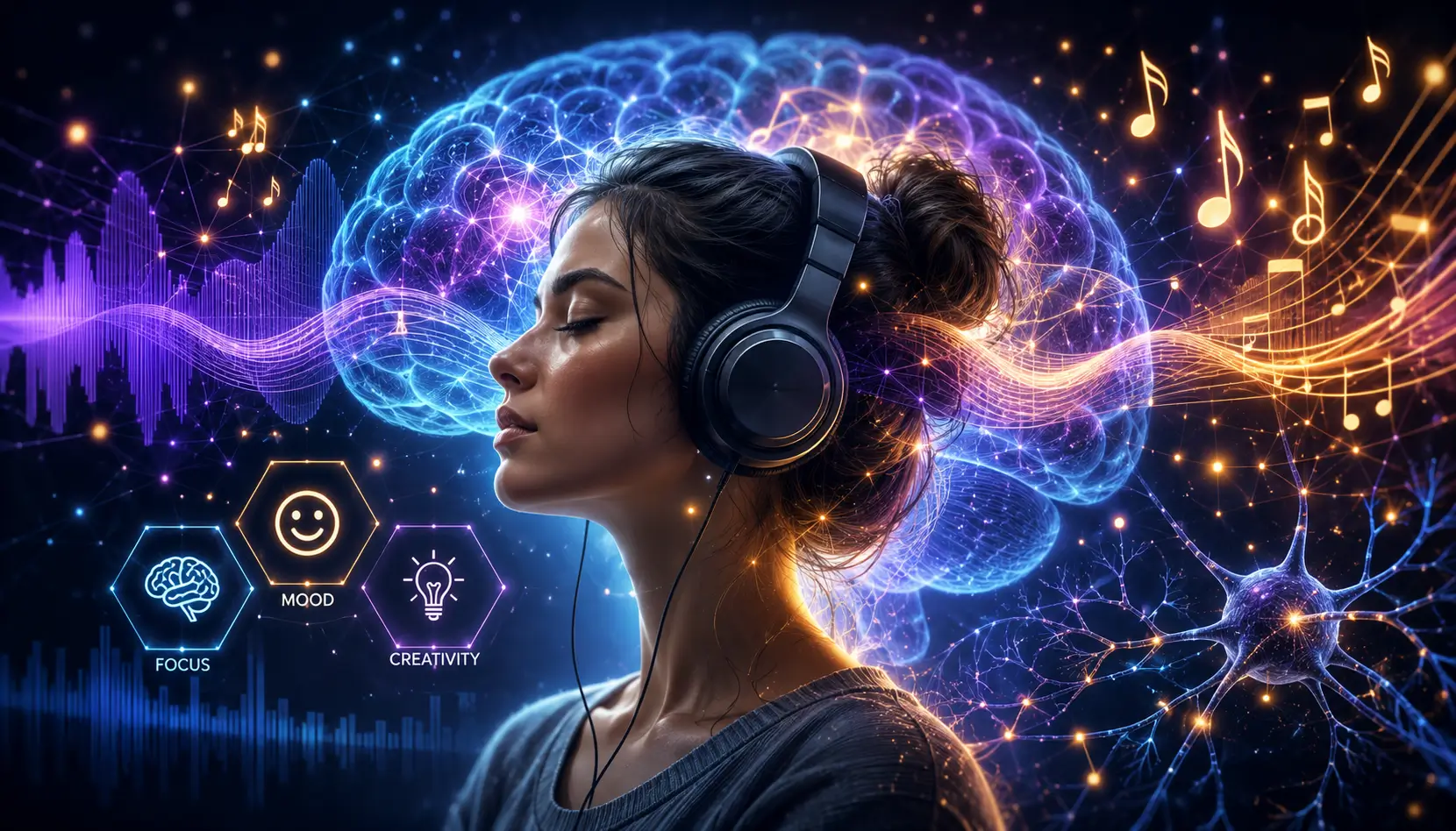
🎧 Brainwave Audio and Relaxation Environments
Some people use structured sound environments to support relaxation, meditation, or concentration sessions.
These environments may include:
- Binaural beats
- Isochronic tones
- Ambient soundscapes
- Relaxation audio
- Focus-oriented pulse environments
The idea behind many of these systems is often connected to brainwave entrainment — the theory that rhythmic stimulation may influence mental-state patterns.
Research in this area is still evolving, and individual experiences vary significantly.
🌿 Stress Management and Emotional Wellness
Long-term stress may affect both physical and mental health.
Chronic mental overload can contribute to:
- Difficulty concentrating
- Emotional fatigue
- Reduced motivation
- Sleep disruption
- Mental exhaustion
Because of this, emotional wellness is increasingly viewed as an important part of long-term cognitive health.
Some people explore:
- Meditation
- Breathing exercises
- Mindfulness routines
- Relaxation audio
- Reduced digital stimulation
Related reading:
Meditation Audio and Brainwave Entrainment
⚡ Mental Stimulation and Lifelong Learning
The brain benefits from continued engagement and stimulation throughout life.
Activities commonly associated with cognitive engagement include:
- Reading
- Learning new skills
- Creative hobbies
- Problem-solving
- Social interaction
Lifelong learning is frequently discussed in cognitive wellness research because mental engagement may help support attention and memory over time.
🔬 What Does Research Actually Suggest?
Modern neuroscience does not support simplistic claims about “unlocking hidden brain power” or instantly reversing aging.
However, research increasingly supports the importance of healthy lifestyle habits for long-term cognitive wellness.
Brain health appears to be influenced by a combination of:
- Sleep
- Nutrition
- Stress management
- Exercise
- Mental engagement
- Emotional wellness
There is no single shortcut that replaces these foundational habits.
🌊 Why Brain Wellness Audio Continues to Grow
As more people search for ways to reduce stress and improve focus, interest in structured audio environments continues growing.
Some modern systems combine ambient soundscapes with rhythmic pulse patterns inspired by focus and relaxation states.
One example is:
The Genius Wave audio program, which combines layered sound environments inspired by cognitive performance and mindfulness concepts.
📌 Final Thoughts
Healthy aging involves far more than avoiding illness.
Sleep quality, emotional balance, movement, stress management, and mental engagement all appear to play important roles in long-term cognitive wellness.
Although brainwave-oriented audio environments remain an evolving field of interest, many people enjoy using structured sound environments as part of calmer and more mindful daily routines.
The strongest foundation for brain health still comes from sustainable lifestyle habits practiced consistently over time.
🔗 Related Articles
Related Posts
Stay Informed With the Latest & Most Important News
Previous Post
Next Post