
Now Reading: The Science of Brainwave Entrainment and Mental States
-
01
The Science of Brainwave Entrainment and Mental States
The Science of Brainwave Entrainment and Mental States
🧠 What Is Brainwave Entrainment?
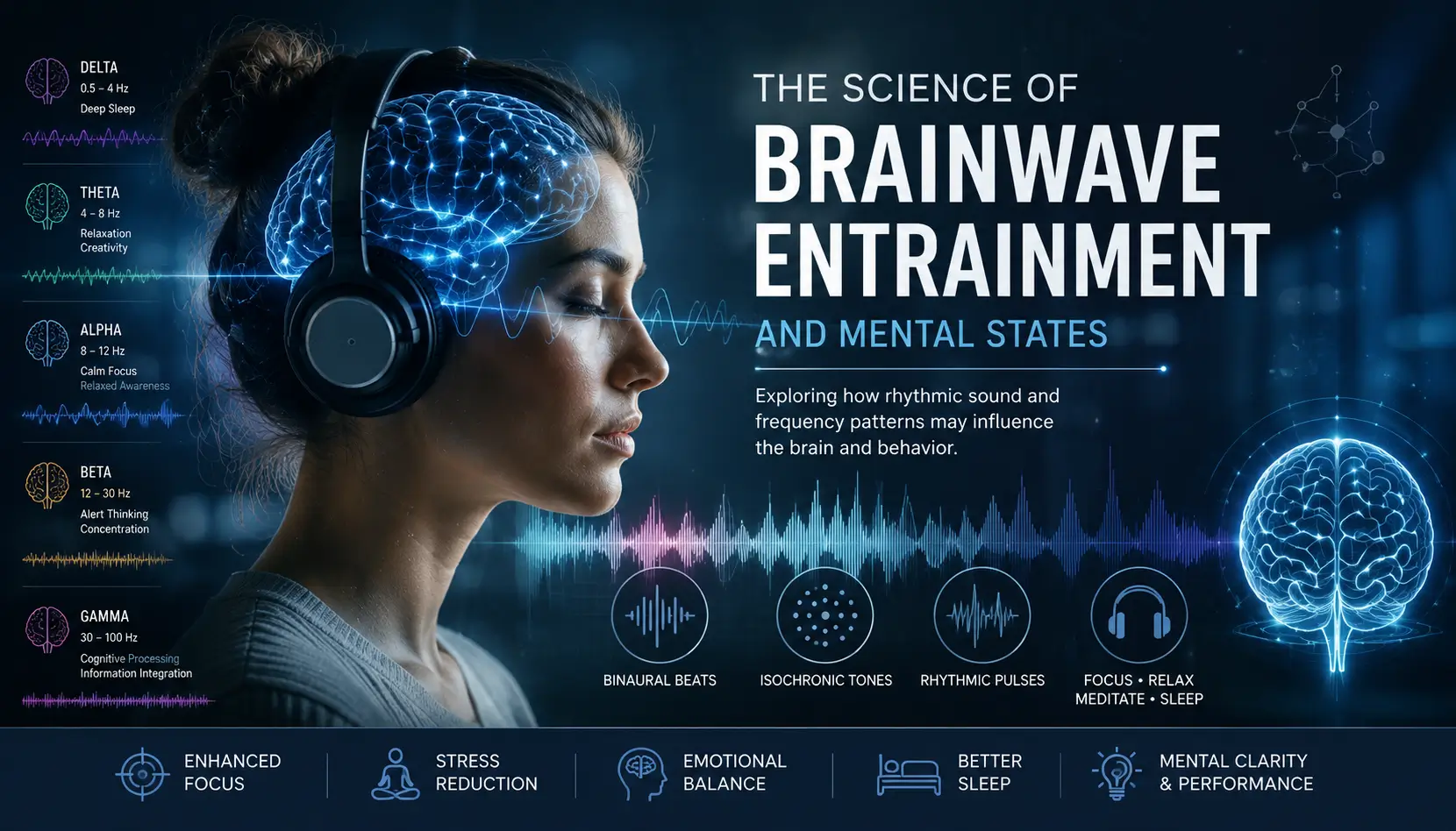
Brainwave entrainment refers to the theory that rhythmic sensory stimulation may influence patterns of mental activity.
The concept is commonly discussed in relation to sound environments that use repeating frequencies, pulse patterns, or rhythmic audio structures.
Brainwave entrainment systems are often connected to:
- Focus
- Relaxation
- Meditation
- Sleep support
- Attention management
- Cognitive wellness
Modern interest in brainwave entrainment has grown alongside increased attention toward mindfulness, mental recovery, and structured audio environments.
Related guide:
Understanding Brain Waves and Cognitive States
⚡ Understanding Brain Waves
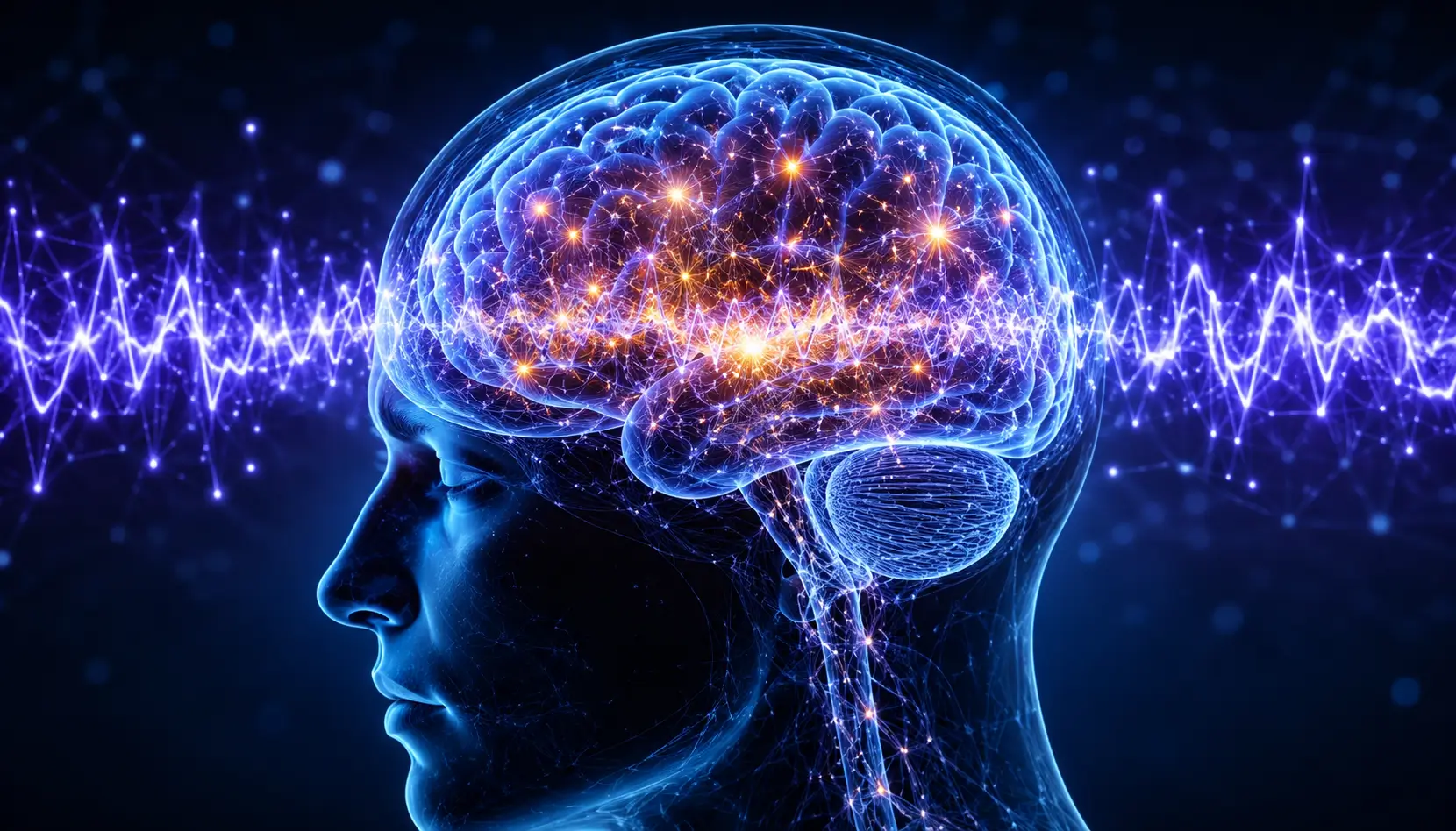
The brain naturally produces electrical activity known as brain waves.
These patterns constantly shift depending on attention, sleep, emotional state, and cognitive activity.
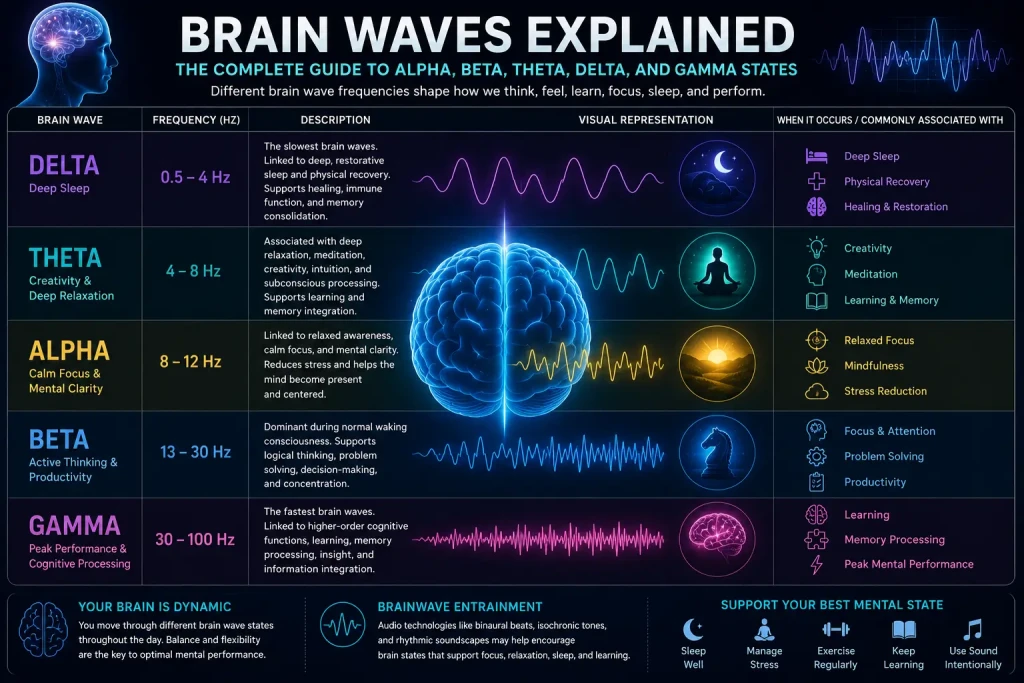
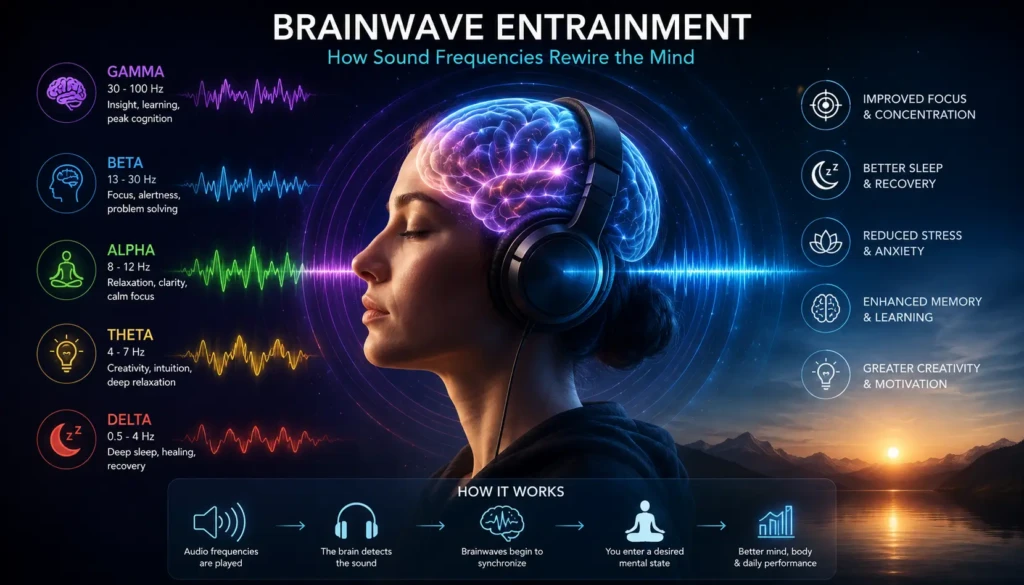
Brainwave activity is often grouped into several frequency ranges:
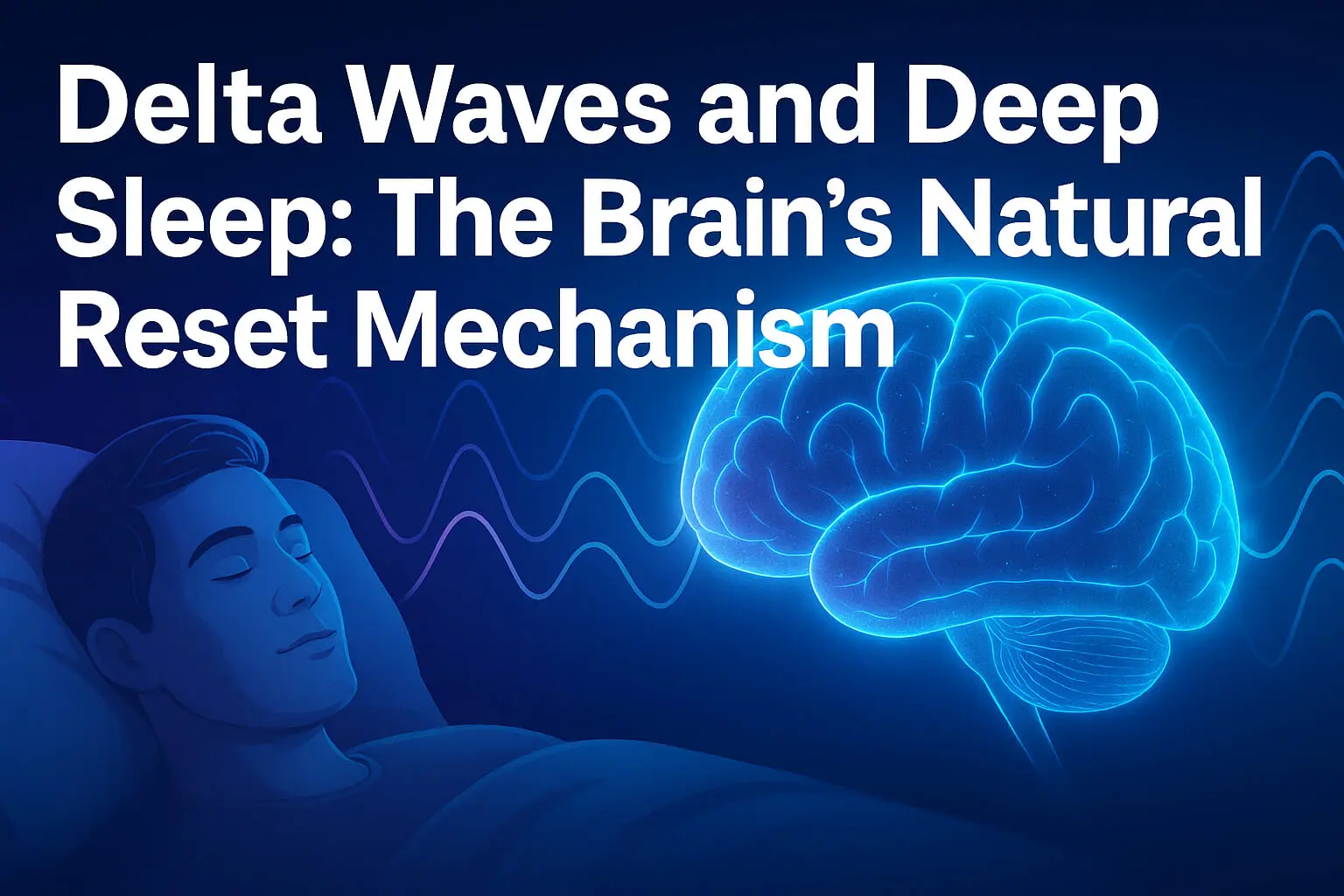
- Delta waves — deep sleep and recovery
- Theta waves — relaxation and creativity
- Alpha waves — calm focus
- Beta waves — alert thinking
- Gamma waves — cognitive processing
Different mental states may involve different combinations of these patterns.
🎧 How Brainwave Entrainment Audio Works
Brainwave entrainment audio typically uses rhythmic stimulation patterns designed to create consistent sensory input.
Common examples include:
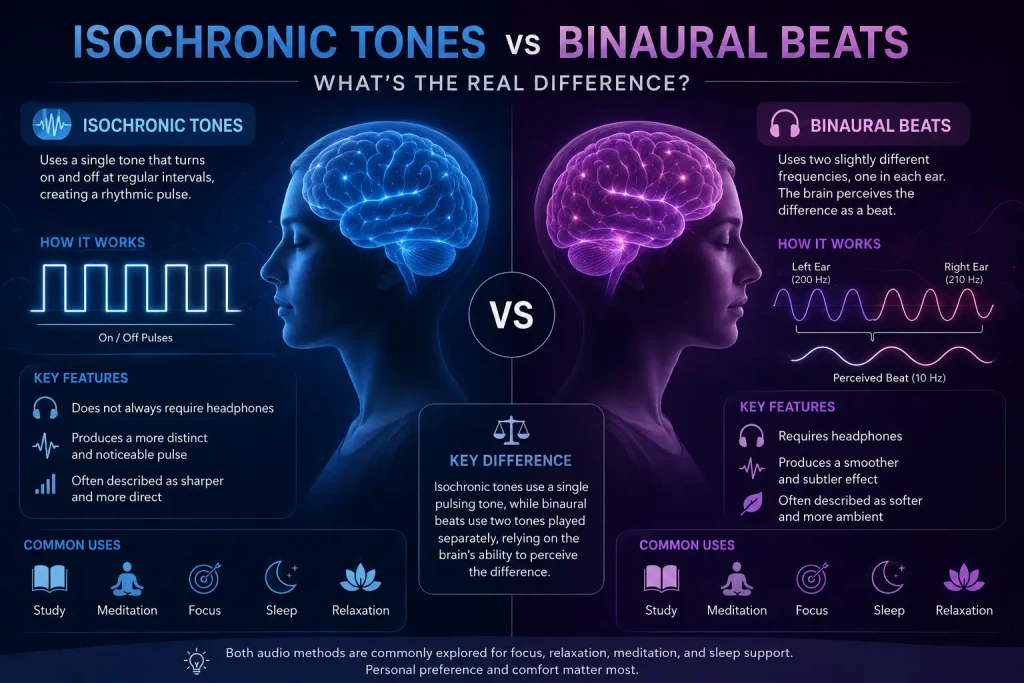
- Binaural beats
- Isochronic tones
- Rhythmic pulse audio
- Ambient sound layering
- Frequency-based meditation audio
Some systems combine environmental soundscapes with repeating pulse structures inspired by brainwave research.
Related article:
Binaural Beats for Focus and Concentration
🎯 Brainwave Entrainment and Focus
Many people explore brainwave entrainment audio while studying, reading, working, or practicing mindfulness.
Modern environments often create attention fragmentation through:
- Notifications
- Multitasking
- Background noise
- Digital overstimulation
- Stress-related mental fatigue
Structured audio environments may help some individuals create calmer focus conditions with fewer distractions.
Related reading:
Audio Environments for Focus and Deep Work
🌿 Alpha States and Relaxed Attention
Alpha-associated mental states are frequently discussed in relation to calm focus and relaxed awareness.
Many meditation and mindfulness routines are associated with reduced overstimulation and calmer attention patterns.
Some listeners prefer slower rhythmic audio during:
- Reading
- Creative work
- Meditation
- Evening relaxation
- Stress recovery
Related guide:
Alpha Brain Waves and Relaxed Focus
🚀 Gamma Activity and Cognitive Processing
Gamma activity is often explored in neuroscience research related to information processing and cognitive integration.
Researchers sometimes study gamma synchronization during tasks involving attention and complex thinking.
However, brainwave entrainment should not be viewed as a shortcut to intelligence or productivity.
Cognitive performance depends on many broader factors including sleep, stress management, emotional balance, and sustainable attention habits.
Related article:
Gamma Brain Waves and Cognitive Performance
🌙 Sleep, Recovery, and Mental States
Sleep quality strongly influences cognitive wellness and emotional regulation.
Poor sleep may contribute to:
- Mental fatigue
- Reduced concentration
- Attention instability
- Stress sensitivity
- Cognitive overload
Some listeners use slower sound environments during nighttime relaxation routines.
Related article:
Which Brain Waves Help You Sleep?
📱 Modern Attention and Cognitive Overload
Many people now experience constant digital stimulation throughout the day.
Social media, multitasking, and continuous information switching may reduce attention consistency and increase cognitive fatigue.
This is one reason structured audio environments continue growing in popularity among students, remote workers, and mindfulness communities.
🔬 What Does Research Actually Suggest?
Research into brainwave entrainment remains an evolving field.
Some studies suggest rhythmic auditory stimulation may influence relaxation or attention patterns for certain individuals.
However, effects vary significantly between listeners.
Modern neuroscience does not support exaggerated claims about instantly unlocking hidden mental abilities through one sound frequency.
Healthy routines remain the strongest foundation for cognitive wellness and sustainable mental performance.
🌊 Why Brainwave Audio Continues to Grow
Many people enjoy structured audio because it may help create calmer and less distracting environments for focus or relaxation.
Some modern systems combine atmospheric sound design with rhythmic pulse patterns inspired by cognitive and mindfulness concepts.
One example is:
The Genius Wave audio program, which combines layered sound environments inspired by attention, relaxation, and mental clarity concepts.
📌 Final Thoughts
Brainwave entrainment remains one of the most discussed concepts in modern focus and mindfulness audio environments.
Although research is still evolving, many people continue exploring rhythmic audio systems during study sessions, meditation routines, relaxation practices, or deep work environments.
The strongest foundation for mental performance still comes from healthy sleep, balanced routines, emotional recovery, and sustainable attention habits.
🔗 Related Articles
Related Posts
Stay Informed With the Latest & Most Important News
Previous Post
Next Post